The fascinating story of rice in cagnone
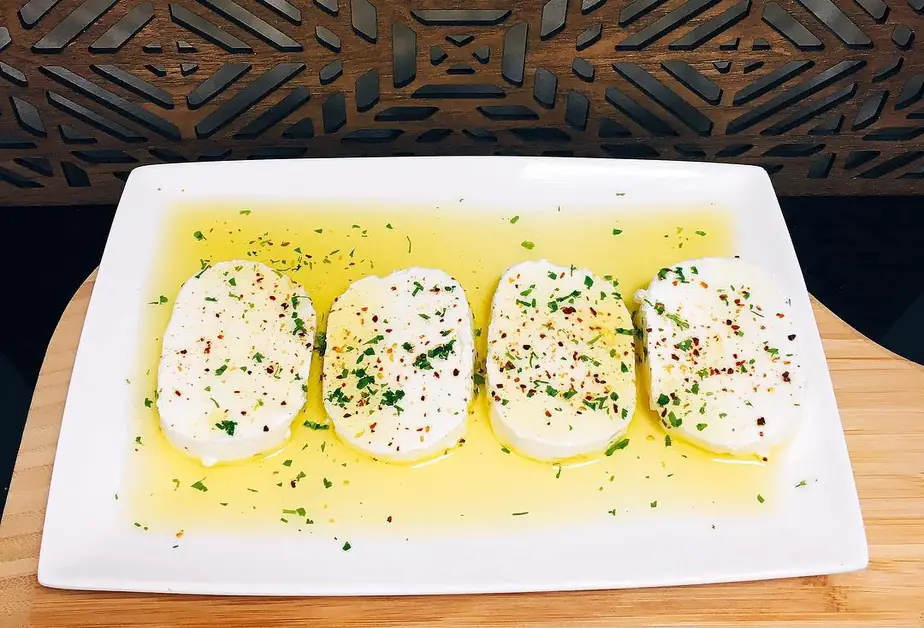
Rice in cagnone is a typical dish from the Lombard and Piedmont valleys, simple yet rich in flavor.
For work, I'm used to planning everything: schedules, connections, travel. The goal is not to waste time. But then I see little and eat the same things, the standard stuff you find everywhere.
On vacation, I take a different approach. I move slower, stay longer in places, and look for local dishes instead of familiar options. Basically, I try to embrace what's now called slow tourism, which I call life.
That's also why I love trails. Unfortunately, I only discovered them in recent years.
The Oropa Trail, in particular, really let me connect with the area. Not just through what I saw, but also through what I ate.
The Oropa Trail isn't a single path, but a network of routes blending nature and spirituality.
The most well-known is the Serra Trail: four stages, well-marked, accessible even for beginners. It's the one that attracts the most people.
Then there's the Eastern Trail, which you can walk in either direction. It actually extends the Serra route.
The Canavesano Trail is longer: it starts from Valperga, goes through Ivrea, and connects to the main route.
Finally, there's the Valdostano Trail, linking Fontainemore to Oropa. It follows the historic procession held every five years.
Four different ways to reach the same destination.
I chose the route from Santhià to the Oropa Sanctuary, passing through the Graglia Sanctuary.
It's a straightforward itinerary: you start from the plains, cross the first hills, and then really begin to climb.
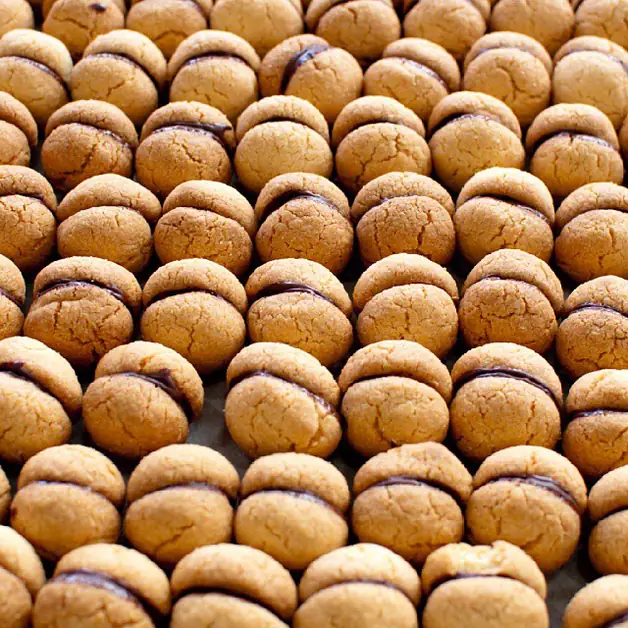
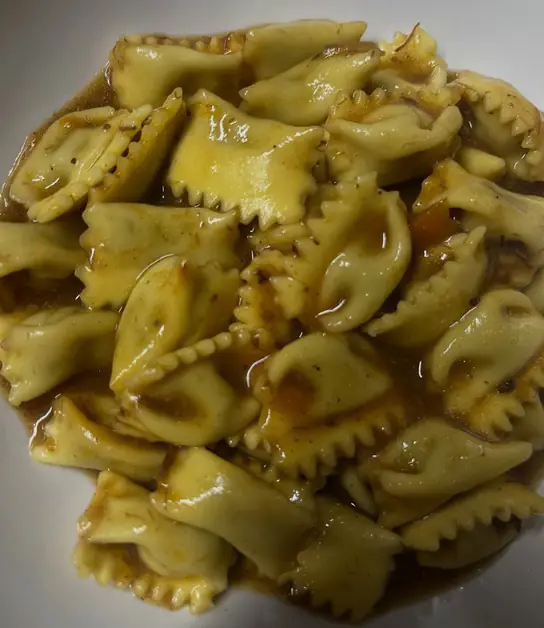
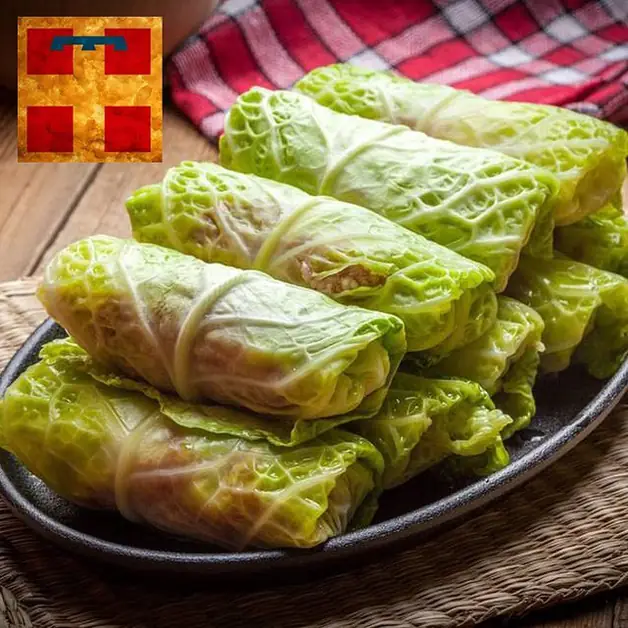
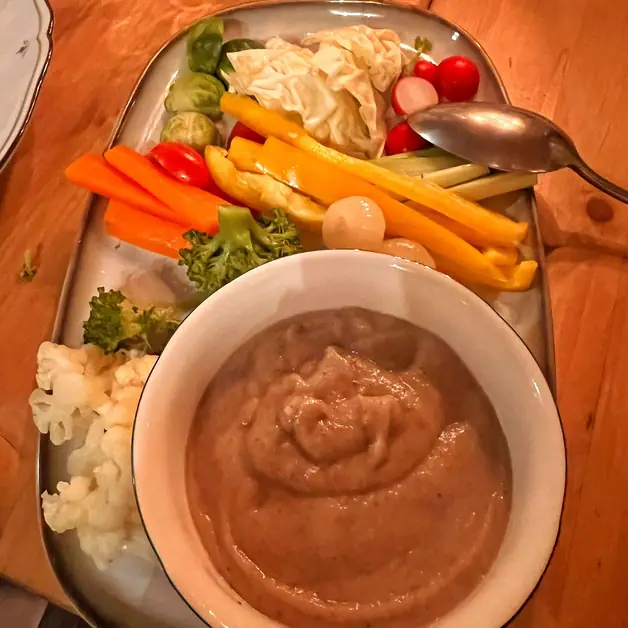
Along the way, I discovered various local dishes and products: riso in cagnone, torcetti al burro, ratafià, canestrelli, toma, bagna cauda, maccagno, ravioli del plin, tomino, baci di dama, and fritto misto alla piemontese.
It's not a made-up list. These are things you really find along the way. Maybe because the area is less known than Valle d'Aosta, it's stayed more authentic. It's not a pre-packaged product for tourists.
I'll use the Oropa Trail to virtually explore Biella's culinary delights.
One thing you'll notice right away is this: traditional cuisine is found more in the valleys than in Biella's center.
In the city, there's a wide range: local to Asian cuisine. But outside, along the trail and in the mountains, the food stays true to the area.
The starting point is "riso in cagnone."
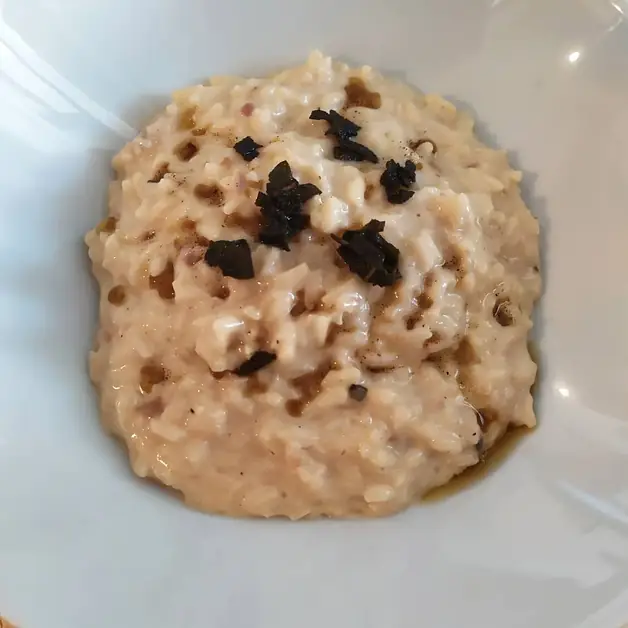
"Riso in cagnone" is a simple dish, typical between Biella and Vercelli. It's not a risotto: the rice is boiled, then topped with butter and cheese, usually toma. Few ingredients, no complicated steps.
It originates from a specific area, between rice fields and mountains. The rice comes from the Vercelli plains, the butter and cheese from Biella. It's a dish that sits in between, like the path connecting these two places.
The name "cagnon" in dialect means larva. It refers to the rice grains' appearance after cooking, a bit irregular and pale. It's not an elegant name, but it fits a cuisine that describes things plainly.
It's a humble dish, but its simplicity makes it especially enjoyable along the trail.
I had it at Bossola, on the Tracciolino.
It's one of those places surrounded by greenery and silence. To get there, you have to climb a bit, but it's worth it.
The dish was simple, but after the climb, it tasted amazing.
The price for "riso in cagnone" is around 10 euros.
I spent about 30 euros in total for an appetizer, main course, dessert, and wine. Very fair prices.