The secrets of Piedmontese plin ravioli
Plin ravioli are a symbol of Piedmontese cuisine.
I'm continuing my virtual journey through the flavors of the Cammino di Oropa. I started from Carisio, in the plains, a classic starting point. At first, you still see some rice fields, marking these lower areas. And in the distance, you can already glimpse the mountains. From there, the path gradually changes pace.
It's a network of routes--from Serra to Canavese and up to Valdostano. Starting from Carisio and these plains, it takes you step by step towards the mountains, changing rhythm and scenery. At first, everything is more open: fields and wide horizons in front of you. And in the distance, the mountains are like a constant reference. Then the woods appear, the climbs become more frequent, and your daily experience changes too.
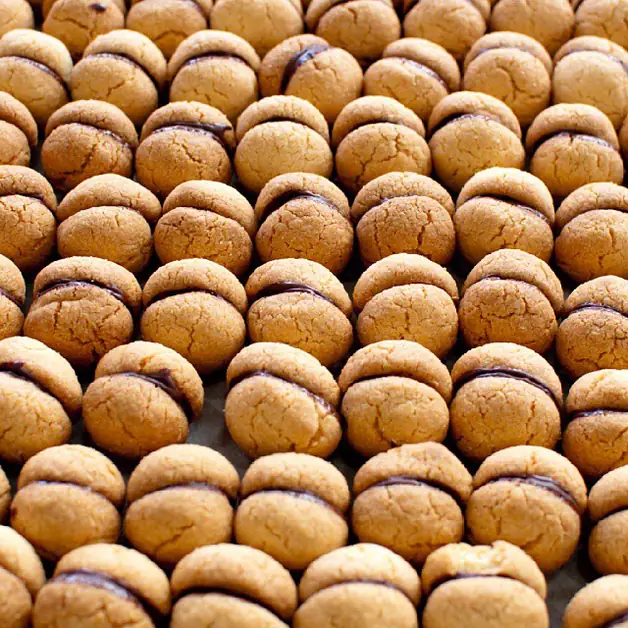
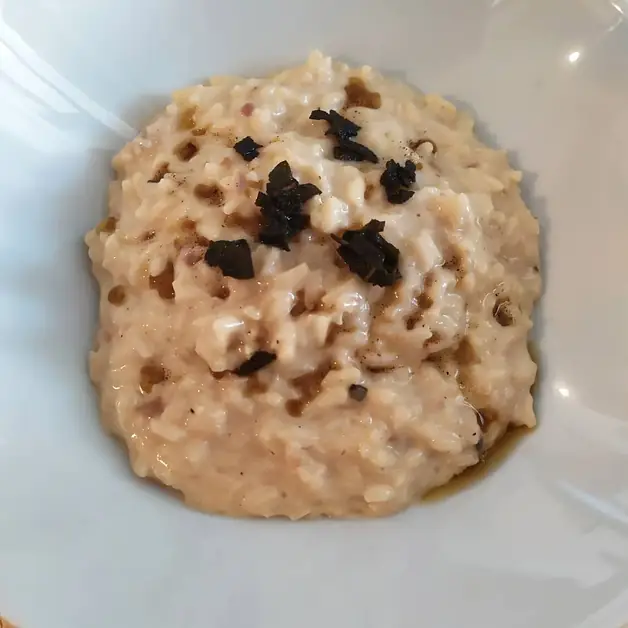
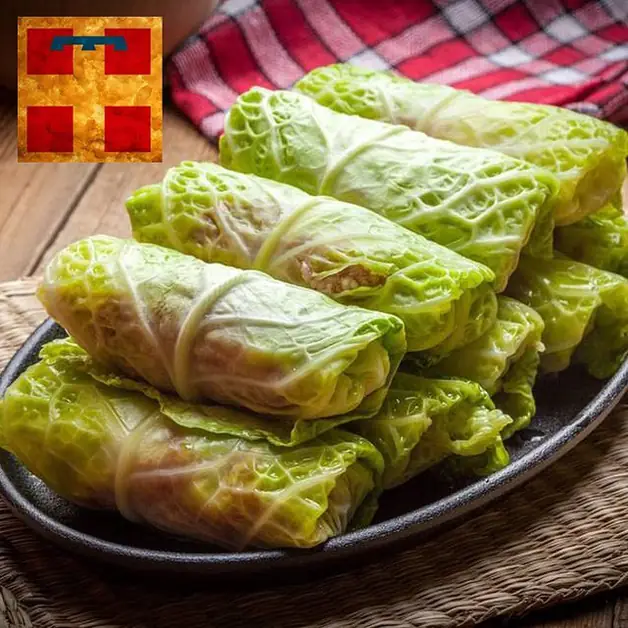
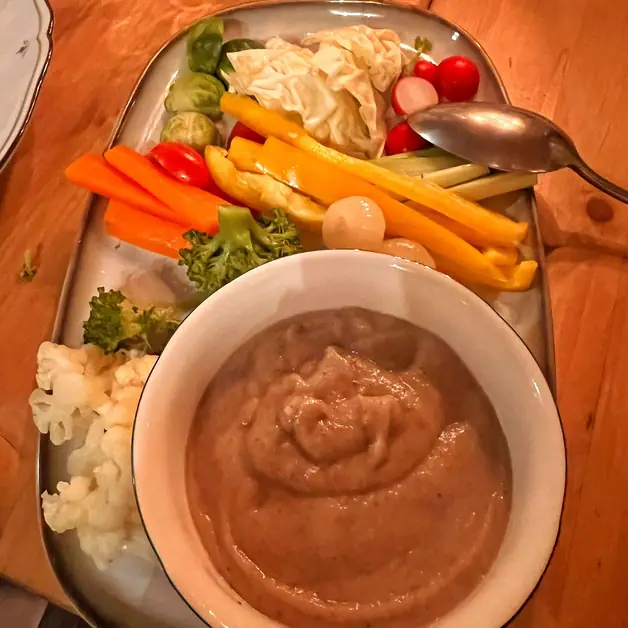
After the rice in cagnone, the butter torcetti, the ratafià, the canestrelli, the bagna cauda, the toma, and the maccagno, this time I'm focusing on something even more typical and less known: ravioli del plin.
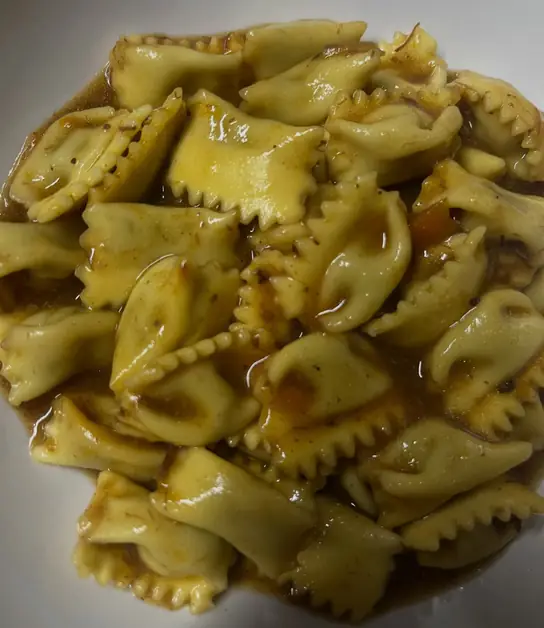
They're small, much smaller than the ravioli you're used to. The name "plin" comes from the pinch used to close them. It's a detail that tells a lot about the local cuisine, full of quick and practical gestures. A bit like the Piedmontese society.
The filling varies, but it's often a mix of leftover roasted meats--veal, pork, sometimes rabbit--along with vegetables and a bit of cheese. It's not zero-waste cooking for fashion, but out of necessity: they used what they had and turned it into something nutritious and tasty. Plin ravioli were born in this rural context, between Langhe and Monferrato, where stuffed pasta was used to make the most of leftovers, especially from Sunday. Over time, they've become a symbol of Piedmontese tradition.
The really striking thing is how they're served. Sometimes just with butter and sage, other times "al tovagliolo," meaning without sauce, just with the meat's cooking juices. At first, it might seem strange, but after a day of walking, it makes perfect sense: they're light yet very flavorful.
I tried them on the way back. Returning from Oropa, we stopped to visit Biella, and there we ate them at a place called L'Arrugginita. I had them with maccagno fondue and broccoli: a great combination because the cheese's creaminess blends with the thin pasta and broccoli. Price was 12 euros, typical for the area.
And that's the essence of the journey: not just changing scenery, but gradually immersing yourself in a cuisine. Because discovering a city also means discovering its food, not just its monuments or landscapes.