Bagna cauda a symbol of Piedmontese tradition
Bagna cauda is a symbol of Piedmontese tradition.
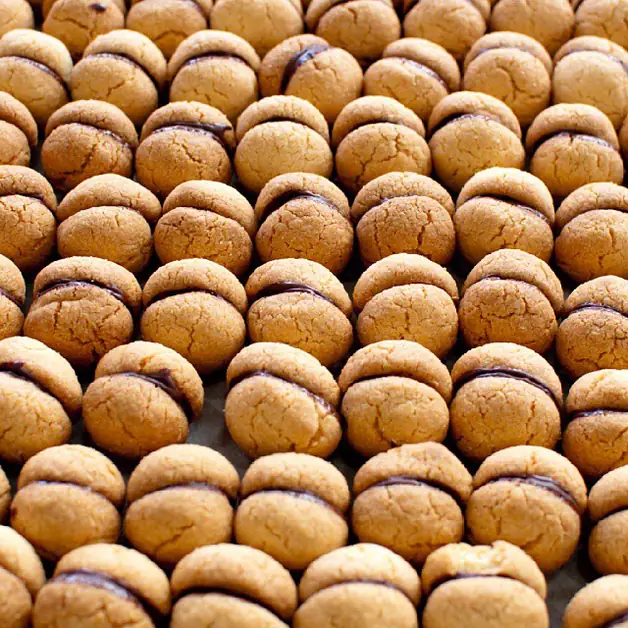
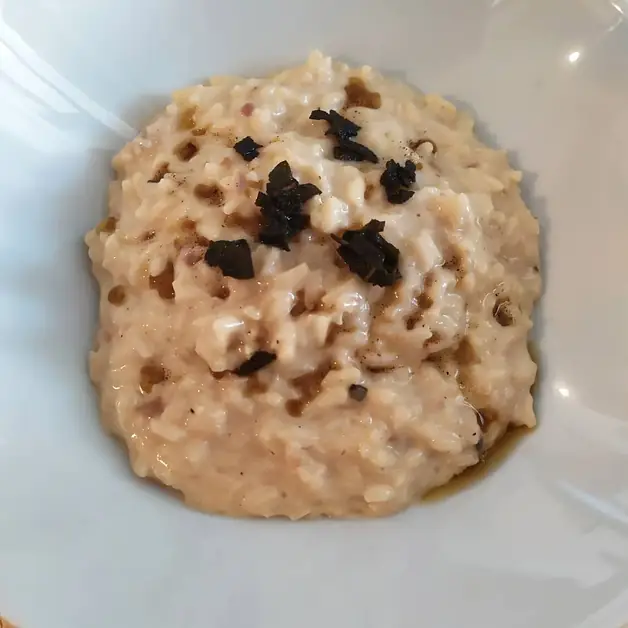
The Oropa path is a network of trails. It stretches from Serra to Canavese and Valdostano. You start in the plains and move toward the mountains. The rhythm and scenery change as you go.Along this journey, even the meals transition gradually. After riso in cagnone, torcetti, ratafià, and canestrelli, I stopped for a dinner along the way.
I usually have dinner quickly and eat light. But when you're on a journey, everything changes. After a day of walking, you're hungry at night. You know you'll burn it off the next day. So, I indulged in a dish I'd normally avoid. It's not the easiest to digest. But when you're on a journey, everything changes.
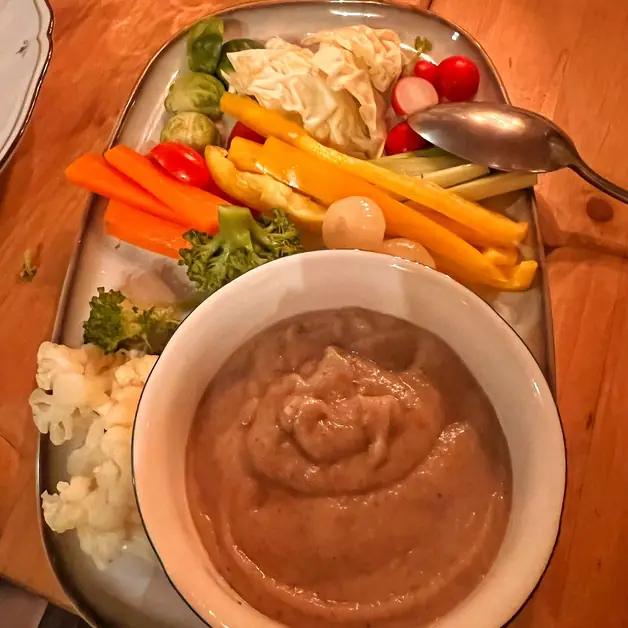
In Oropa, and then heading down to Biella, I had bagna cauda. I ate it at the restaurant La Bossola in Netro. I had it as an appetizer, with other starters, then a main dish, good wine, and dessert. All for about 30 euros. In the city, I couldn't find such traditional flavors.
Among all Piedmontese culinary specialties, bagna cauda is one of the most famous. It's known and loved even beyond the region. Its name comes from the Piedmontese dialect and means "hot sauce." It's a rich, flavorful sauce served warm. It's made with three main ingredients: anchovies, garlic, and olive oil.
Bagna cauda isn't just a recipe; it's a social ritual. This dish tells the story, culture, and soul of Piedmont. It's a meal that brings people together, especially in autumn and winter. When it's cold, you want to share warm, fragrant dishes.
The main ingredients of bagna cauda are few but strong: salted anchovies, fresh garlic, and extra virgin olive oil. Depending on the area or family traditions, you might add butter or cream to make the sauce milder. However, the authentic version from Monferrato and Langhe uses only garlic, anchovies, and oil, with no additions.
It's surprising that a landlocked region's iconic dish uses anchovies. But there's an interesting historical reason. In the past, Piedmont imported salt from the saltworks of Provence and Nice. It traveled along a route known as the Salt Road. To avoid customs duties, traders hid salt in barrels covered with salted anchovies. These came from the coast between Barcelona and Toulon. So, anchovies became common in Piedmont's mountain areas and entered local cuisine.
What stands out is the intensity: the aroma hits you before the dish does. Then, the taste is bold and full, but not overwhelming if done right.
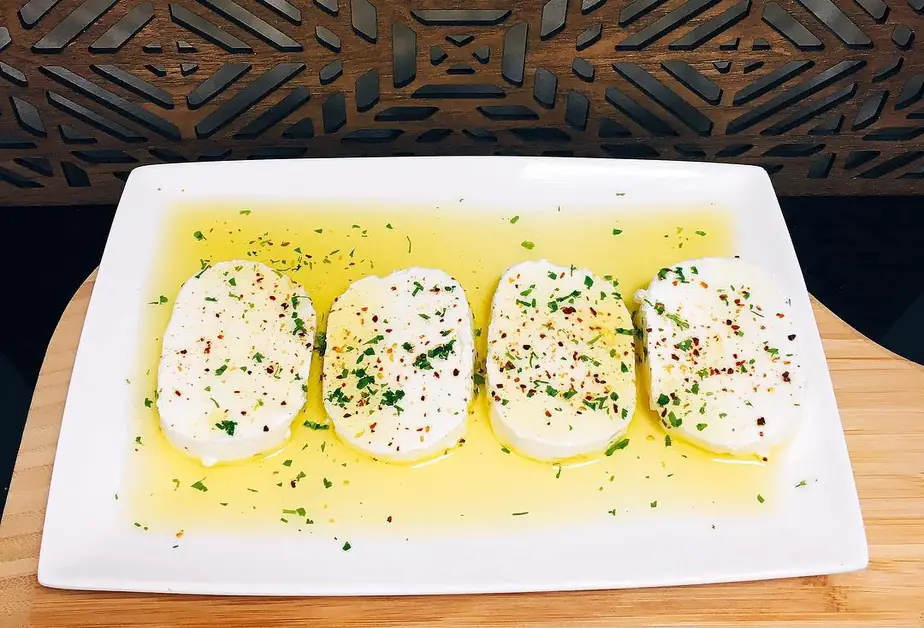
When and how do you eat it?It's mostly eaten at dinner, shared with others.I ate it in the evening after a day of walking. Right after, I craved something with cheese. So, I also had polenta concia.
Practical noteThe Cammino di Oropa (della Serra) usually takes 3 or 4 days, covering about 60-70 km from Santhià to the Sanctuary of Oropa. It's a hiking trail, perfect for a long weekend or a first trekking experience. The route passes through the Ivrea morainic ridge.In 3 or 4 days, you taste many things: small dishes, local products, different habits. It's a real way to know the area, not just pass through it.