The secrets of Canestrelli Biellesi to discover
Canestrelli Biellesi are typical sweets from Piedmont, a symbol of pastry tradition.
The Oropa path is a network of trails. It stretches from Serra to Canavese and Valdostano. You start in the plains and, step by step, head to the mountains. The rhythm and scenery change as you go.
On this journey, even meals transition gradually. After riso in cagnone, torcetti, and ratafià, I continued exploring the flavors of the Oropa path. I stopped for breakfast along the way.
Usually, I have a quick breakfast, watching calories too. But everything changes when you're on a journey.
In Oropa, and then heading down to Biella, I tried the canestrelli.
I tasted them at breakfast at Pasticceria Jeantet.
Pasticceria Jeantet is a historic spot in Biella's center. It's famous for its canestrelli, marron glacés, and liquors like Ratafià.
I was curious to see this pastry shop. I had seen its ads in national newspapers and always wondered where it was.
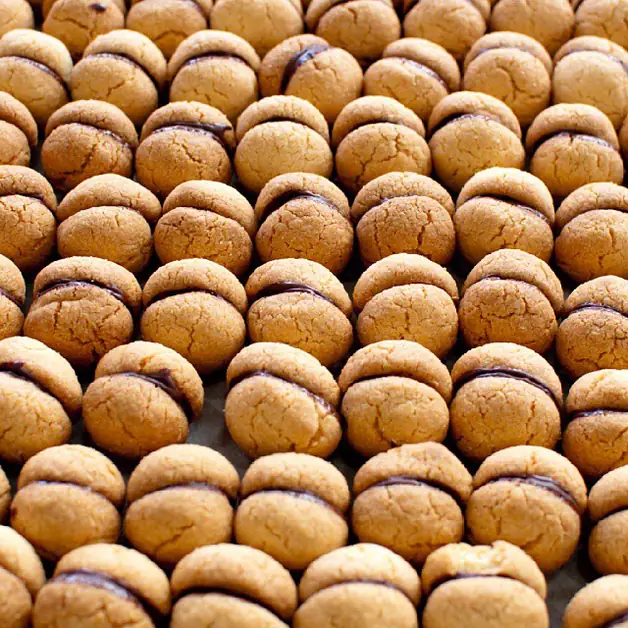
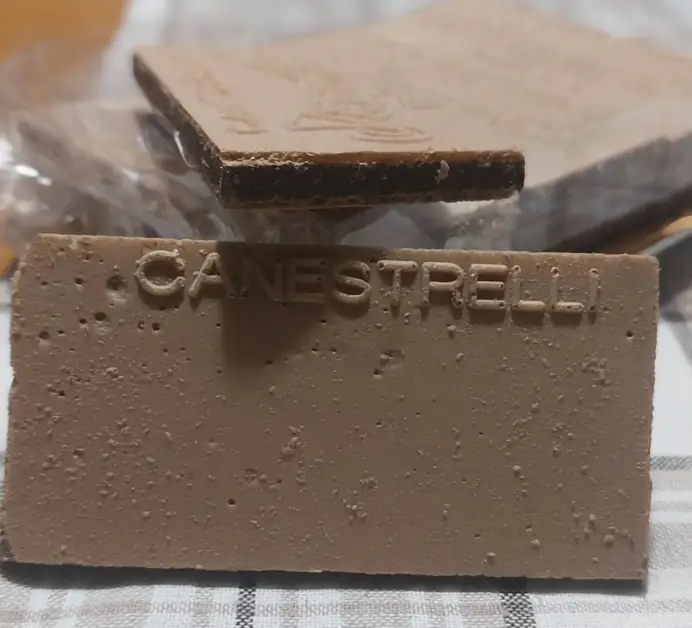
Biella's canestrelli are a typical Piedmont dessert, from the Biella area. They're made of two thin rectangular wafers with a soft chocolate cream inside. Their shape is unmistakable: two rectangles about 9x4.5 centimeters, light, with a slightly ridged surface.
They originated in Biellese, a region of hills and craft traditions. Over time, each bakery developed its own version but kept the original structure.
Their origins are ancient. In the 1600s, they were made in noble houses and monasteries. A written record from 1805 is in the Royal Library of Turin. It describes them as a chocolate pastry appreciated beyond the area.
What stands out is the contrast: crispy outside, soft inside. The butter and chocolate aroma hits you right away, but it's not heavy.
I'm not a fancy dessert. I'm an everyday treat, for breakfast or a break.
You can find them in various parts of Piedmont. But here, in the Biella area, they have a distinct identity.
What do canestrelli taste like?
They're delicate. You can taste the butter, but it's not heavy. The sweetness is light, never overwhelming. They're the kind of cookies you start eating without thinking, and then you grab another.
When and how are they eaten?
They're mostly eaten at breakfast or with coffee.
I had them in the morning, before setting off again.
They don't give a strong energy boost, but they're perfect for starting the day calmly, without feeling heavy.
In the end, more than the right way to eat them, it's about the moment.
As often happens along this path, simple things, in the right context, taste different.
Practical note
The Oropa Path (of the Serra) is usually covered in 3 or 4 days, spanning about 60-70 km from Santhià to the Sanctuary of Oropa. It's a hiking-level route, ideal for a long weekend or as a first trekking experience, with stages crossing the Ivrea morainic ridge.
In 3 or 4 days, you also taste many things: small dishes, local products, different habits. It's a concrete way to know the area, not just pass through it.