Toma Biellese the cheese of the alpine valleys
Toma Biellese is a traditional cheese from the Piedmontese alpine valleys, symbol of local gastronomy.
I'm continuing my virtual journey through the flavors of the Cammino di Oropa. I started from Santhià, a classic starting point in the plains. From there, the path gradually changes. It's a network of routes--from Serra to Canavese and Valdostano. They begin in these lower areas and, step by step, lead you to the mountains. The rhythm and scenery change as you go. At first, it's all open spaces. Then the woods appear, climbs become frequent, and your daily experience shifts.
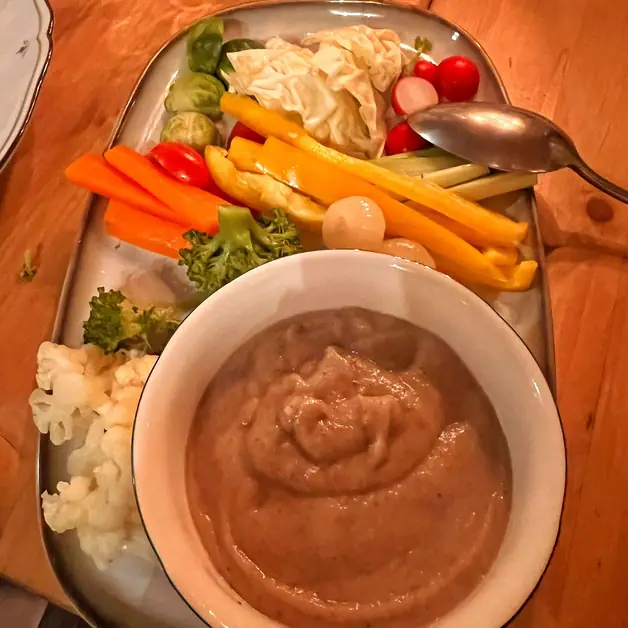
After enjoying riso in cagnone, torcetti al burro, Ratafià, canestrelli, and bagna cauda, I'm stopping for something even more typical: a cheese.
I only knew Toma Biellese by name. It's a product you find all over Italy, but rarely taste. It's not as famous as other Piedmont cheeses, so it might get overlooked.
On the journey, though, your perspective changes. During one stop, we had a sandwich filled with Toma. Nothing beats bread and cheese. After hours of walking, it was one of the best sandwiches I've ever had.
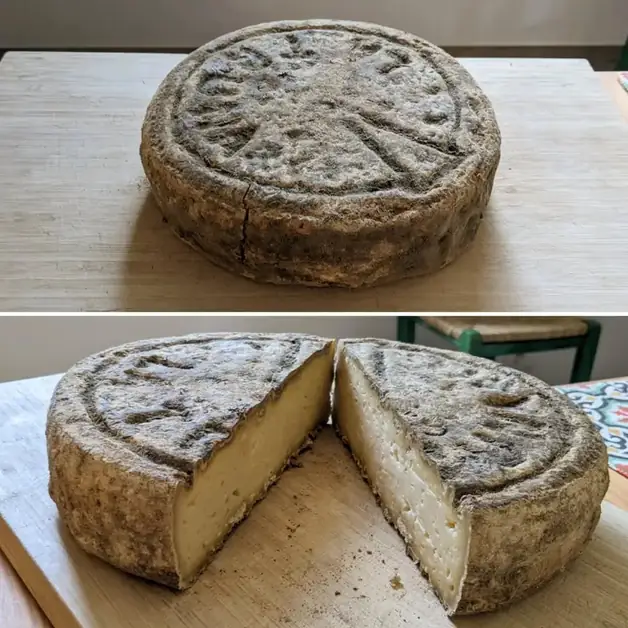
Toma Biellese is one of the most representative cheeses of the Piedmont alpine valleys. It has ancient origins and is still made with very artisanal methods, not industrial ones. They use whole cow's milk from at least two consecutive milkings, often from the local Pezzata Rossa d'Oropa breed.
The connection to Oropa is strong because that's where I was heading. The Pezzata Rossa d'Oropa is a native breed raised in the Biellese valleys. It's adapted to harsh climates and mountain pastures. It produces rich milk, with good fat and protein content.
It's a true mountain cheese, not just in name. It comes from the alpine valleys of Biellese, an area of green pastures and clean air. Here, cows feed on wild herbs and flowers, which you can taste in the milk and then in the cheese.
The tradition is old. In the Middle Ages, shepherds made toma to preserve milk for winter. Even today, in mountain huts and pastures, they use slow rhythms and passed-down techniques.
Toma can be fresher or more aged, softer or firmer, but it always has that full, slightly grassy taste that reflects the region. Locally, it's almost iconic: more than a showcase product, it's part of daily life. It even influences local speech. If someone doesn't understand quickly, they say: "Did you get Rome for toma?"
After tasting it casually, I decided to eat it again in the evening.In Biella, I went to a restaurant with a name that takes you elsewhere: Positano. You might expect southern cuisine, but you find well-made local dishes and products at fair prices.
I ordered a cheese trio. And of course, toma was there.
Tasting it slowly at the table is different from in a sandwich. But the feeling is the same: it's delicious.
It works well in a sandwich on a hike, but also at the end of dinner on a cheese plate. In that restaurant, the trio cost about 8 euros, a fair price for the product.