Maccagno a mountain cheese to discover
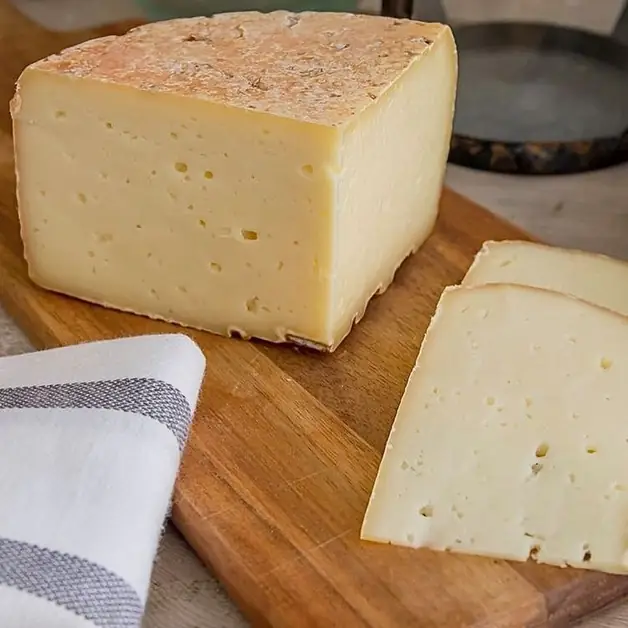
Maccagno is a typical cheese from the Biella mountains, an excellence of Piedmontese toma.
I'm continuing my virtual journey through the flavors of the Cammino di Oropa. I started from Carisio, in the plains, a classic starting point. At first, you still see some rice fields, a sign of these lower areas. And already in the distance, you can glimpse the mountains. From there, the path gradually changes.
It's a network of trails -- from Serra to Canavese to Valdostano -- starting from these areas. Step by step, it leads you to the mountains, changing rhythm and scenery. At first, everything is more open. Then the woods come in, the climbs become more frequent, and your days change too.
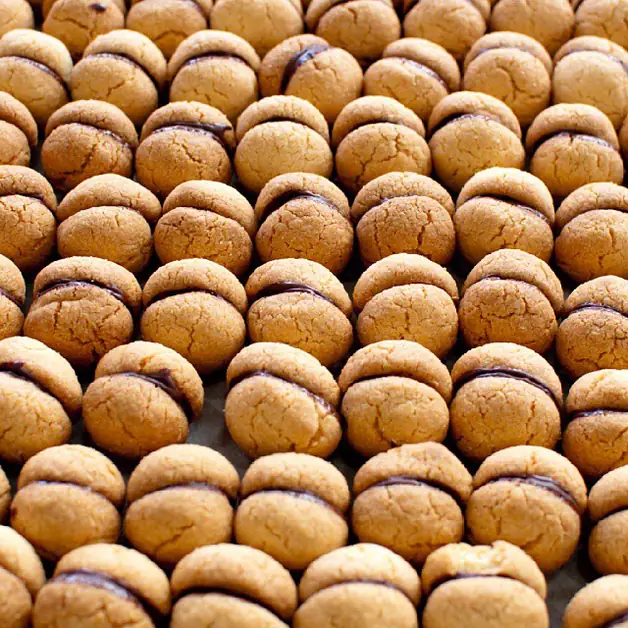
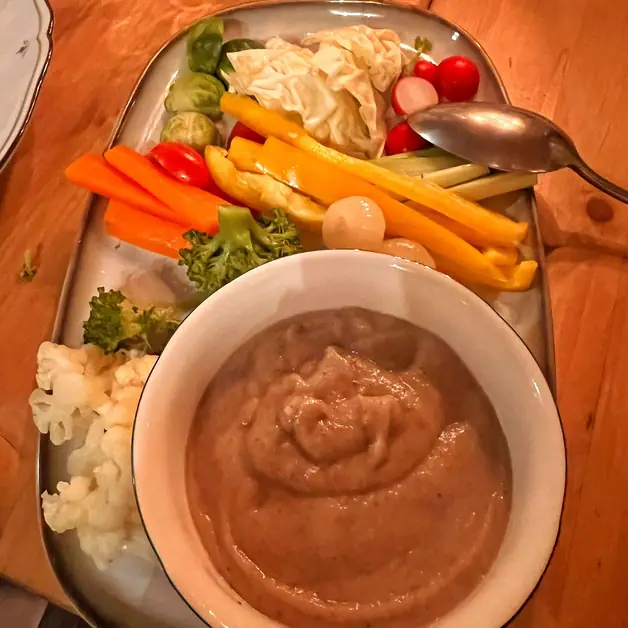
After enjoying rice in cagnone, butter torcetti, ratafià, canestrelli, bagna cauda, and toma, this time I'm focusing on something even more typical, less known: maccagno cheese.
I didn't even know the name maccagno. I discovered it almost by accident at lunch, at Zia Francy, a trattoria offering well-cooked traditional Piedmontese dishes. We stumbled upon it by chance, and it was a great experience: friendly waiters who know regulars by name. I tasted it there for the first time and liked it more than I expected.
I already knew about toma by reputation, but I hadn't even heard of maccagno. So, to understand better what I was eating, I read up a bit.
I found out that maccagno is much more niche compared to the Piedmontese toma, which is one of the most common cheeses in northern Italy and is also DOP. Maccagno is a Slow Food product, typical of the Biellese Prealps and Valsesia. It was, among other things, the favorite cheese of Quintino Sella and Queen Margherita of Savoy.
The main difference between the two is in the milk and texture: maccagno is made with whole cow's milk, so it's sweeter, fattier, and softer, often semi-cooked. Traditional toma, on the other hand, is often made with partially skimmed milk, making it firmer, more aged, and with a stronger flavor.
Maccagno shines in simple pairings. It's great with Turin breadsticks or rustic bread, maybe slightly toasted. If it's younger, it's soft and delicate, almost creamy, while aging brings out bolder notes but keeps it balanced. It pairs well with not-too-structured Piedmontese red wines or even a white if you want something fresher. It's one of those cheeses that doesn't need much preparation: just a little to truly appreciate it.
It's a cheese born from an ancient tradition, linked to life in the alpine pastures. It was made directly by shepherds to preserve milk during the summer months and have a supply for tougher times. Even today, it maintains this connection to the land: it's not a "standardized" product, but something that changes slightly from valley to valley, from pasture to pasture, always staying closely tied to the context in which it's made.
In the end, some Turin breadsticks, maccagno, and a glass of Piedmontese wine gave me the right boost to continue my journey towards Oropa.