Ingredients and secrets of Piedmontese mixed fry
Discover the ingredients and secrets of Piedmontese mixed fry.
I continue exploring the flavors of the Cammino di Oropa. I start again from Carisio, in the plains. It's a classic starting point. Here, the landscape is full of rice fields. They really show the nature of these lower areas. But look up, and you'll see the mountains. They're always there in the background, like a natural guide. From there, the path gradually changes pace, leading you step by step to a different environment.
It's a network of paths--from Serra to Canavese to Valdostano. Starting from Carisio and these plains, each stage takes you toward the mountains. The pace and scenery change as you go. At first, everything is more open. You see fields and wide horizons. In the distance, the mountains appear, almost like a constant guide. Then the woods come in, the climbs become more frequent, and your days feel different.
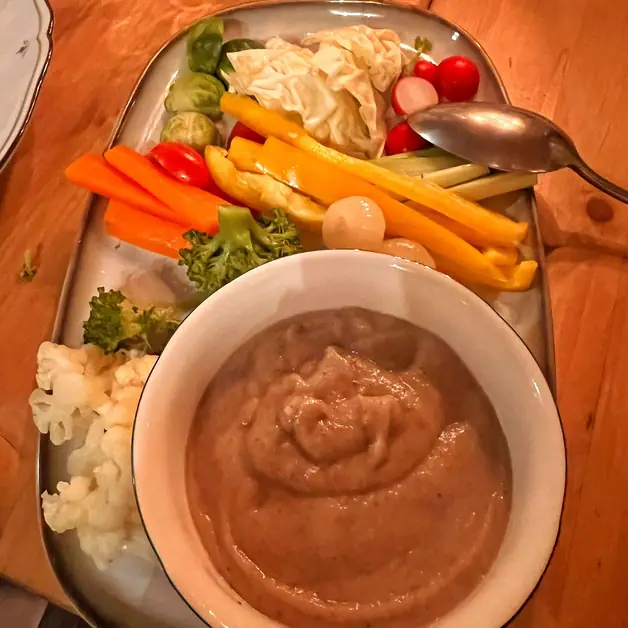
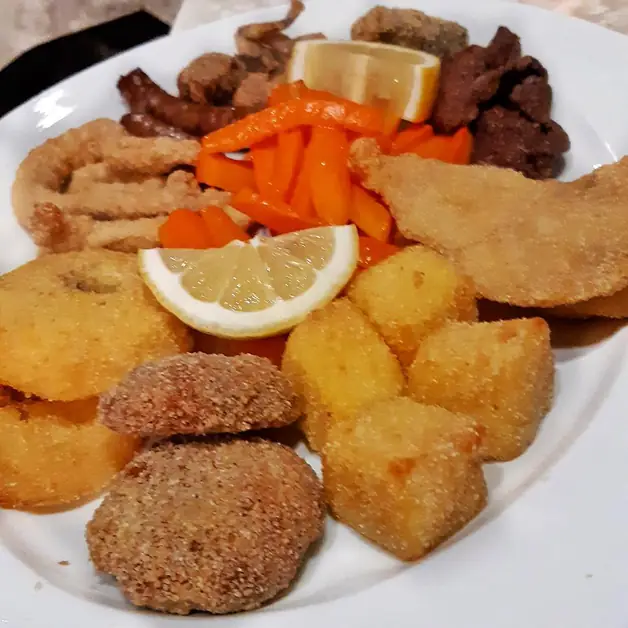
After trying rice in cagnone, torcetti al burro, ratafià, canestrelli, bagna cauda, toma, maccagno, and ravioli del plin, I decided to try something even more typical and less common in other parts of Italy: fritto misto alla piemontese. This dish comes from a farming tradition. People used every part available, both savory and sweet, to avoid waste. That's why fritto misto is unique. In one dish, you find meat (like liver, brains, sweetbreads), vegetables, sweet semolina, and even amaretti or apples, all breaded and fried. It might seem unusual today, but it perfectly represents a resourceful cuisine. Over time, it became a true specialty of Piedmont.
I tried it at Da Enrico in Zimone, Biellese. We shared a portion for 15 euros. It was delicious, one of those dishes that make you feel you've tasted something truly typical. The sweet and salty contrast is striking. At first, it's surprising, but then it works. It pairs well with Piedmont wines, which clean the fried parts and bring all these flavors together.