Piole of Torino: why they have become one of the symbols of the city
Piole are one of the gastronomic symbols of Torino. With a menu of traditional Piedmontese dishes, affordable prices, and regular customers, let's discover what sets them apart from a regular trattoria and why they continue to be so loved by the people of Torino.
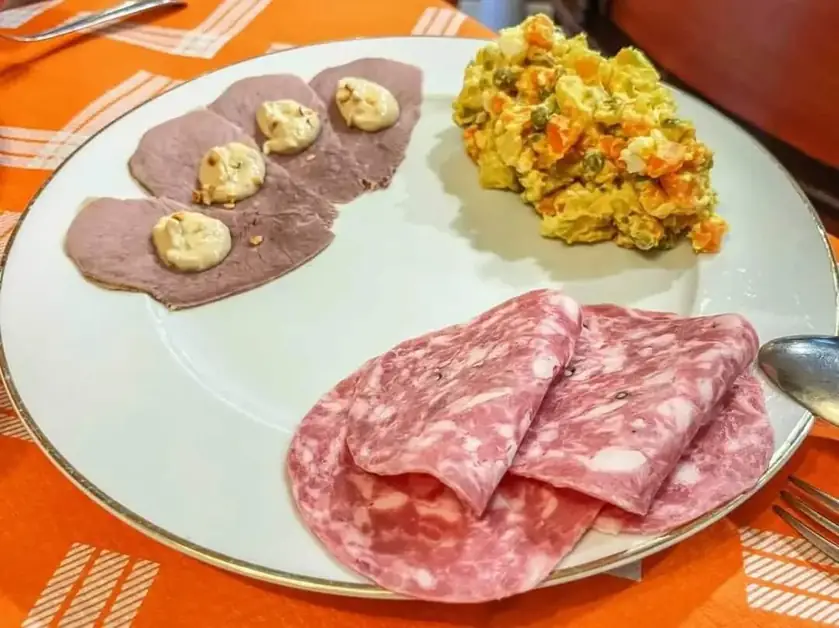
At Piola da Celso in the Cenisia neighborhood, the menu is straightforward. When I visited, they offered a mixed appetizer for 12 euros. It included vitello tonnato, tomino with green sauce, Russian salad, and other Piedmont classics. First courses were 8 euros: tajarin, agnolotti, or gnocchi with sauces like ragù, butter and sage, roast sauce, or toma. Main courses featured roast veal, roast pork loin, marinated meat, and rabbit roll, mostly between 8 and 10 euros. For those wanting a bit of everything, a complete tasting menu was available for 29 euros.
It's not just the individual dish that stands out, but the whole experience. The menu is simple, and prices reflect a place still popular with locals. The atmosphere is very different from restaurants aimed mainly at tourists. That's one reason why Piola da Celso is often mentioned among the most authentic piole in Turin.
Piole originally served as popular spots for workers, artisans, and locals. They were places to enjoy hearty dishes, drink Piedmont wine, and spend time with friends without spending too much. Many features we associate with a piola today come from this origin.
How do you recognize a piola?
There's no official definition, and the line with a traditional trattoria is often thin. But there are signs to guide you. If you enter a place with simple tables, a short menu, dishes that change weekly, and a wine list more important than the cocktail list, you're probably in the right spot.
There's a rule many people in Turin use to explain the difference. If you find a handwritten menu, daily specials, and a local vibe, you're probably in a piola. But if the menu is accessed via QR code, cocktails outshine wine, and the decor screams Instagram, the place might be different.
That's why price still sets piole apart from many other city restaurants.
The cooking follows the same idea. It's not about surprising with modern twists or complex tasting menus. The goal is to offer traditional Piedmontese recipes: vitello tonnato, tajarin, agnolotti, tomini, roasts, bonet, and other dishes locals know well.
There's another thing many piole have in common. They're mostly frequented by neighborhood folks and regulars. People come back because they know what to expect from the kitchen. In a city with a vast food scene, this loyalty often speaks louder than reviews. Piole aren't usually the spot for a romantic dinner or special occasion. Their strength is good food, affordable prices, and a relaxed atmosphere.
Maybe that's why they still exist. While many places change menus, formats, and clientele to follow current trends, a piola can serve the same tajarin, agnolotti, and glasses of Barbera for decades. And that's exactly what many locals want.