Piola or simple Piedmontese restaurant? The details that make the difference
Many places in Torino define themselves as piole, but what truly distinguishes them from a regular Piedmontese restaurant? Starting from a dinner and a simple observation about the house wine, let's analyze some elements that can help recognize an authentic piola.
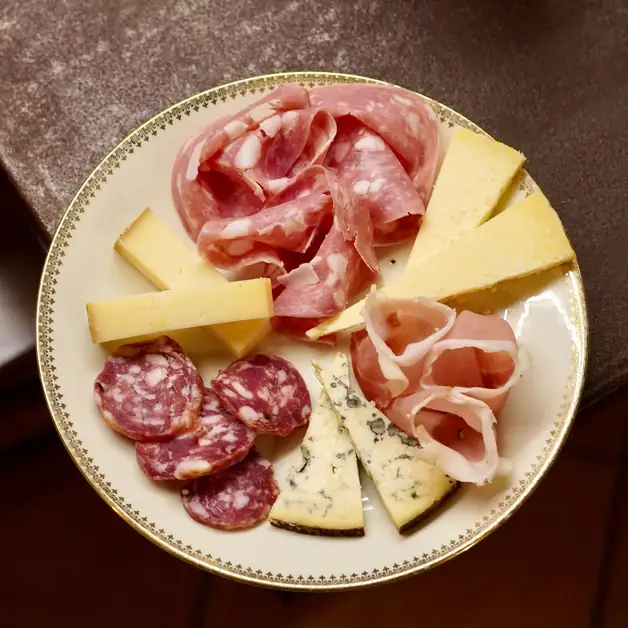
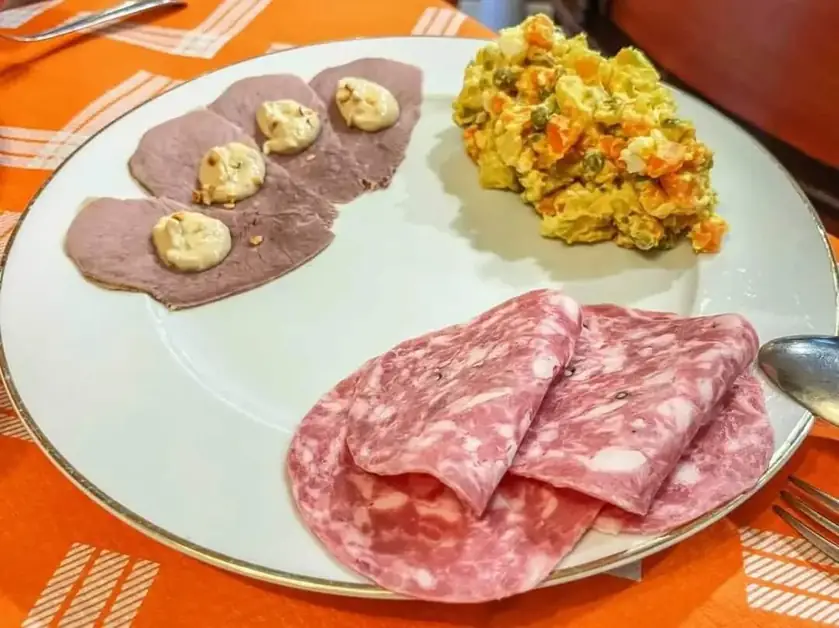
A while ago, a friend and I, who often explore new spots in Turin, decided to try a "piola" we heard good things about. They mentioned the tasting menu, and it sounded interesting: raw meat, vitello tonnato, Russian salad, agnolotti with roast sauce, braised beef with potatoes, and bonet for 25 euros.
I have to say, the food was great. Everything tasted good. The service was courteous and professional, making the experience pleasant.
But we started thinking when we looked at the wine list.
The cheapest wine was about 25 euros per liter, and there was no house wine available. So we wondered: can a place call itself a "piola" if it lacks one of the elements that historically defined Turin's piole?
This question is interesting because many places in Turin now use the term "piola," but not all interpret it the same way. This led to a broader reflection on what distinguishes an authentic piola from a restaurant that mainly uses the name to evoke Piedmontese tradition.
What to Look for Before Booking
If you want a truly traditional experience, look beyond the name. Focus on some concrete details. First, consider the wine. For many Turin locals, house wine is a symbol of a historic piola. It's a simple, popular place where house wine complements the meal without breaking the bank. This doesn't mean a piola can't have good bottled wine. But if there's no house wine and only expensive bottles, it's far from tradition.
The menu is another key element. Historic piole never offered endless options. They focus on seasonal and local cuisine. Dishes like bagna cauda, finanziera, mushrooms, or truffles appear at the right times of the year. Not necessarily every season. A menu that changes with ingredient availability often tells more than decor or website claims.
Price is also important. Many focus on the tasting menu cost, but the final bill matters more. We spent about 90 euros for two, including wine and cover charge, 45 euros each. It's reasonable for a good Piedmontese restaurant. But it's not what many locals think of as traditional piola pricing. So, evaluate the whole experience, not just the advertised price.
Finally, online reviews help, but they often show only part of the story. Regular customers, locals, and area workers are often signs of authenticity and local roots. In a city like Turin, where the food scene is vast, local loyalty remains a reliable indicator.