Discover the Diocesan Museum of Trani and its treasures
Visit the Diocesan Museum of Trani and discover its history and artworks.
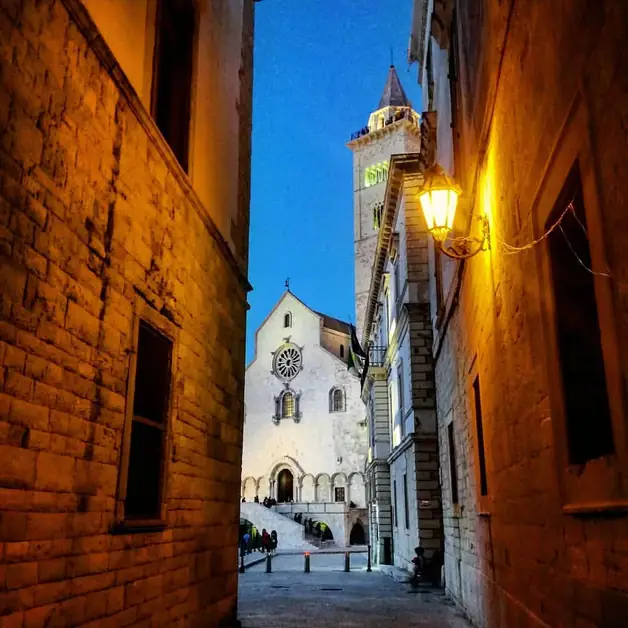
It was March. I was spending a few days in Bari and decided to visit Trani for its cathedral. I was in Piazza Duomo when the cathedral bells suddenly rang. I looked up at the bell tower and saw the bronze bells swinging. They were ringing again after forty years of silence. I knew they had been still during the long restoration of the Romanesque tower.
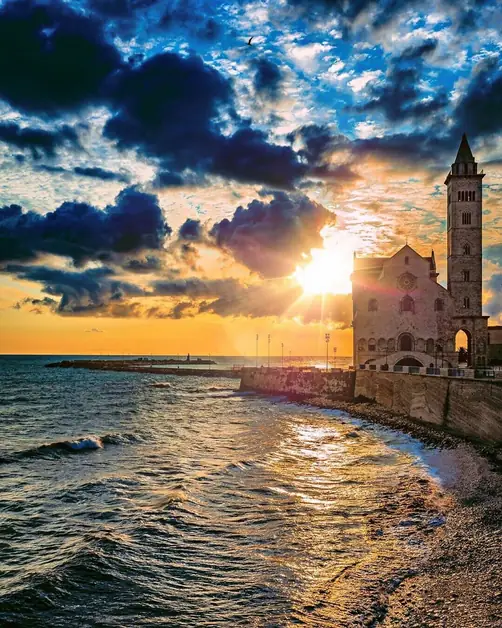
It was an unexpected sight. The bronze bells swung in the Gothic openings, a bit uncoordinated but charming. The tower, 59 meters high, dominates the square by the sea. You can see the bells moving even from the harbor.
The six bells' concert quickly drew tourists and locals to the square, announcing the mass. I decided to go in too. I'm not particularly religious, but it felt natural to stay and join the service in such a solemn cathedral.
When the mass ended, the priest reminded us that the Diocesan Museum was open. As I left the church, still hearing the bells, I wanted to learn more about the place's history. That's when I noticed the door of Palazzo Lodispoto facing the square.
It was still morning, so I stopped for breakfast at Bar del Tribunale, right in Piazza Duomo, across from the cathedral. I ordered a coffee and a warm brioche, the specialty that made this place famous. The brioche is freshly baked and served plain or filled with homemade creams. I'm a sweet tooth, so I went overboard, asking for double pistachio and hazelnut filling. Breakfast in Trani isn't just eating--it's part of the day.
After breakfast, I crossed the square and entered the Diocesan Museum, housed in historic Palazzo Lodispoto. The palace closes the square's side facing the city and complements the basilica: the cathedral is austere and Romanesque, the palace more elegant and Baroque. Both built from local tuff, they harmonize despite the centuries between them.
Inside, in the atrium, you'll find the ticket office. The palace belongs to the Archdiocese of Trani-Barletta-Bisceglie. The Lodispoto family donated it to become a cultural center. Tickets cost 7 euros, reduced price is 5. The museum partners with the Sant'Anna Synagogue. Show one ticket to get a discount at the other.
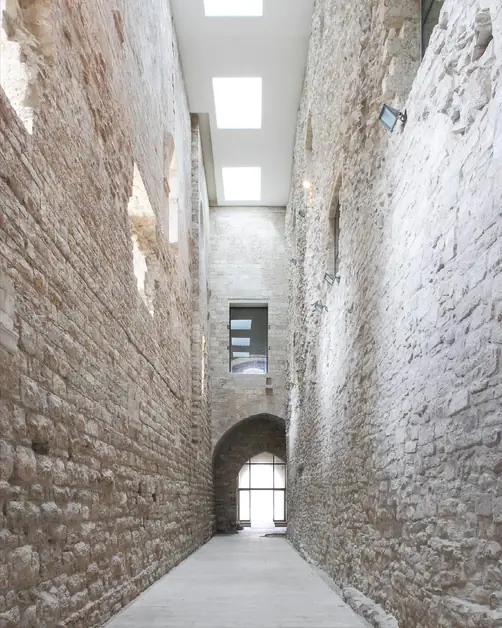
The visit spans multiple levels, connected by an elevator. I started in the basement. There, you'll find the archaeological area with ancient structure remains. It's less spectacular but shows the site's layered history.
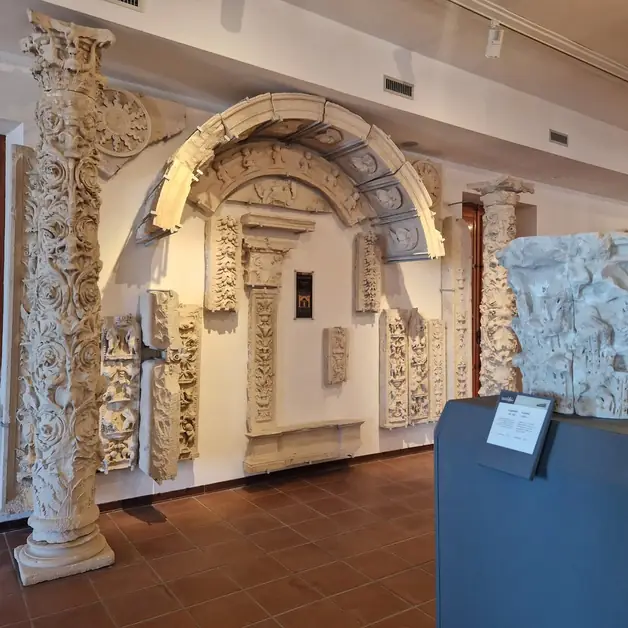
On the ground floor, there's the stone section. It has sculptural fragments, inscriptions, and sarcophagi from the cathedral and other city churches. Walking among these stones feels like flipping through local history pages.
Going up, you reach the heart of the Diocesan Museum. It features works tied to Trani's religious history. The reliquary of Saint Nicholas the Pilgrim, the city's patron, caught my eye. There are also paintings and devotional art from the Middle Ages to the 1700s.
A surprise is the typewriter section. You don't expect it in a diocesan museum, which makes it interesting. This collection has a unique story. Entrepreneur Natale Pagano worked at Olivetti in Ivrea. He returned to Trani and started collecting typewriters from various countries. Over time, it grew into a museum within a museum. Today, about 500 pieces are displayed. They range from 19th-century models to recent electronic ones, with keyboards in different languages, braille writing tools, and even toy versions for kids. Some became famous for being used by great writers or appearing in films.
The full visit takes about an hour and a half. Follow the brochure provided at the entrance.
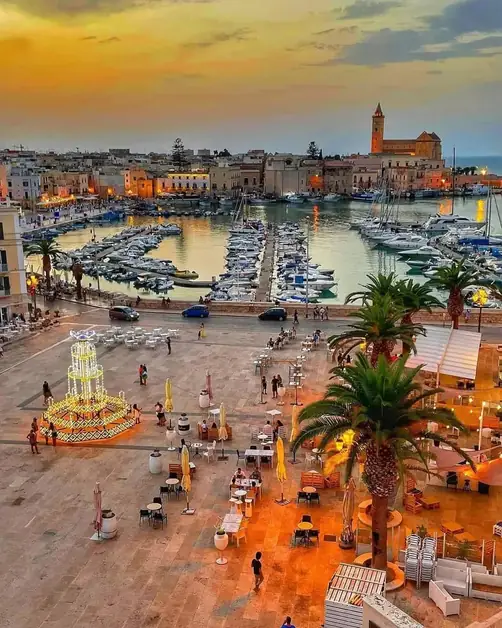
If you're coming from outside the city, the train is the easiest option. The area around the cathedral has limited parking. Walking from the station takes just a few minutes. Just head towards the sea and turn slightly left. Suddenly, you'll see one of Puglia's most stunning views. The square overlooks the water, with the cathedral, bell tower, and Palazzo Lodispoto.
Trani has a different pace compared to other popular Puglia spots like Monopoli, Polignano, Ostuni, or Lecce. In the morning, you can enter the cathedral, visit the museum, and be amazed by the typewriter collection. Then, stop for a sweet treat, stroll along the seafront, and watch the boats in the harbor. It's a city best enjoyed slowly, offering surprises to those who stay longer than a few hours.