The Scolanova Synagogue of Trani and its history
Explore the Scolanova Synagogue in Trani and its fascinating history.
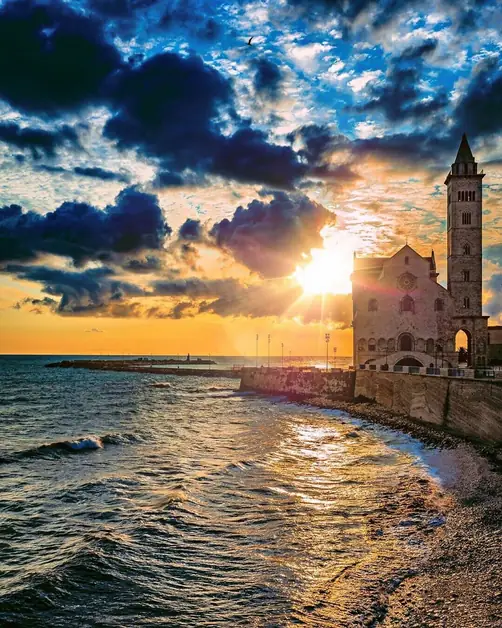
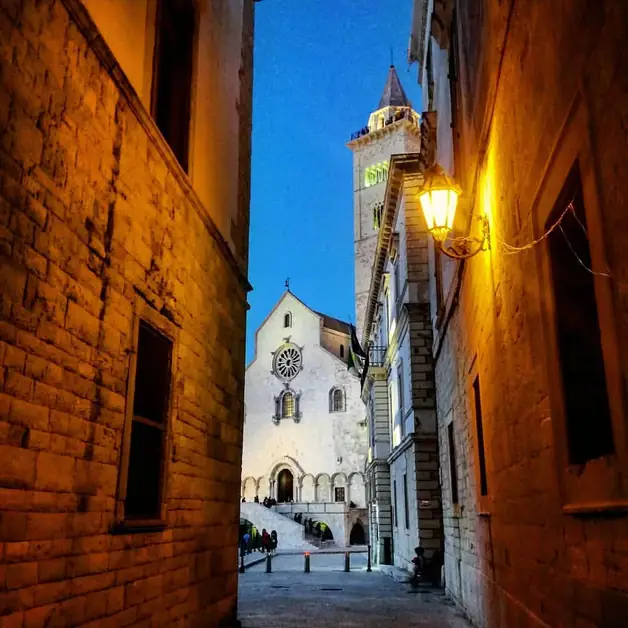
I went to Trani mainly to see its famous cathedral by the sea. It's one of Puglia's most fascinating Romanesque monuments. But it wasn't the only place I wanted to visit. In the historic center, there's the Scolanova Synagogue. It's a key testament to the Jewish presence in the city and one of Europe's oldest synagogues.
I had no trouble with the cathedral. But the synagogue was a bit tricky: it's not always open to the public. The first time I went, it was closed. I could only see it from outside. Even from there, you can tell its history is layered. The light stones, arched windows, and small bell tower with the Star of David all tell stories of centuries of change.
So, I decided to return the next day. After all, I was in Bari, and getting to Trani isn't hard. Spending an evening in this seaside town isn't a sacrifice. So, the next day, I went back during opening hours.
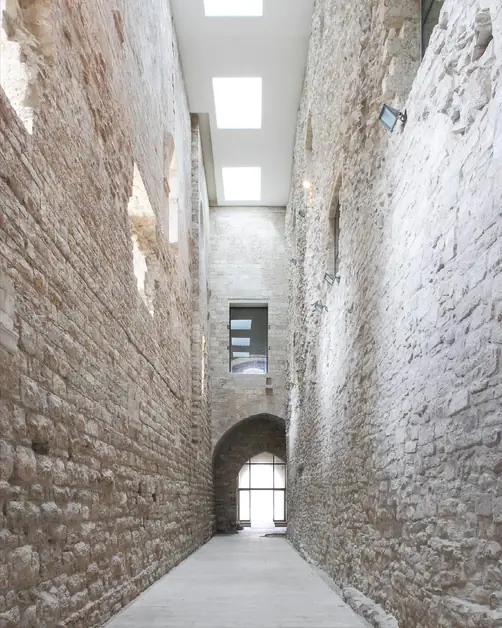
When the door finally opened, there were few people inside. The space is small and very quiet, almost cozy. You enter via an external staircase to reach the upstairs prayer room. It's a simple space with light stone walls and a few arched windows letting in soft light. It's not a large room, about the size of an apartment. This makes it feel very intimate, meant for a real community, not just visitors.
Looking at those stone walls, you sense the building's many lives. The synagogue was founded around the 11th century. Back then, Trani had a thriving Jewish community, fully integrated into city life. In the Jewish quarter, four synagogues coexisted, showing the community's vitality.
Between the 12th and 15th centuries, Trani became a major Jewish center in the Mediterranean. Merchants, doctors, artisans, and scholars lived and worked here. The city's rabbinical school was a legal reference for many Adriatic communities. Trani was even called the "Jerusalem of southern Italy."
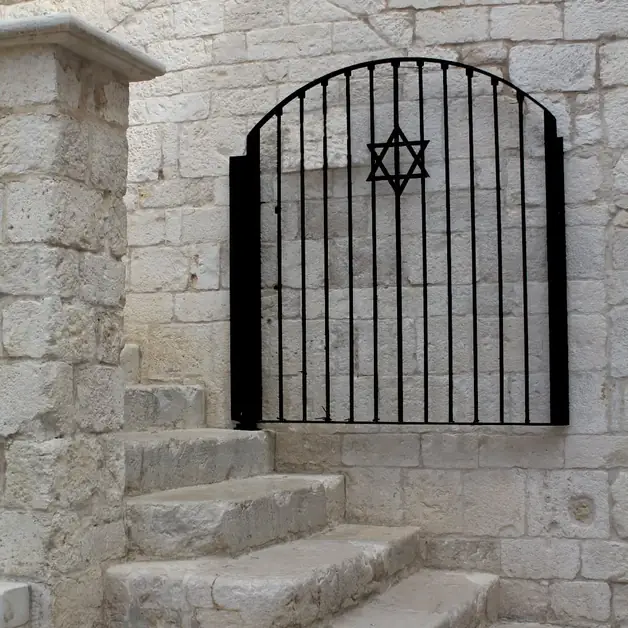
Things changed in 1380 when persecutions and forced conversions hit the city's Jews. The Scolanova was turned into a Christian chapel, hence the small bell tower on the facade. Yet, some original signs never disappeared entirely. A Star of David is visible on the entrance gate, and another is on the bell tower.
For centuries, the building remained a Christian place of worship. Only in 2006 was the synagogue officially returned to the Jewish community, resuming its original role as a place of prayer.
Walking again through the historic center's alleys, I naturally compared it to other places in Puglia tied to Jewish history. In some ways, I found the atmosphere in Oria even more intense. There, a whole Jewish quarter still exists, and that presence feels stronger in the city's streets. In Trani, however, this history is more discreet, almost hidden, partly because it's overshadowed by an iconic place of worship like the seaside cathedral.
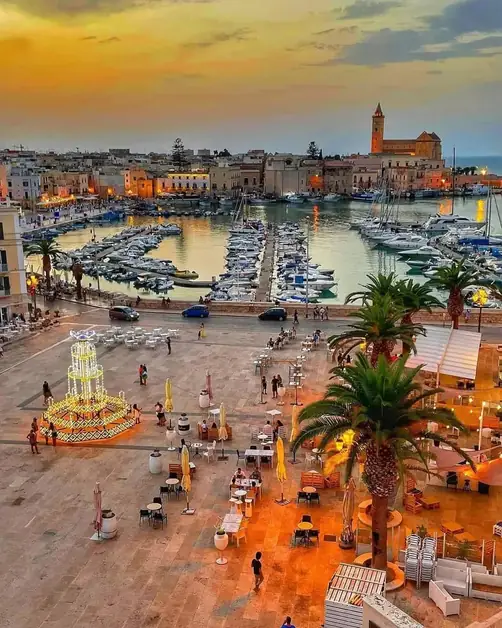
In Trani, history isn't separate from the landscape. Just step out of the maze of alleys, and in minutes, you're by the sea. After visiting, I kept walking toward the port and the cathedral. The walk along the seafront felt different, knowing that just a few streets back, there's a place spanning nearly a thousand years of history.
Practical informationThe Scolanova Synagogue is located in Trani's historic center.
When I visited, access was possible on these days and times:
Monday, Wednesday, and Friday from 11:00 to 12:00.
Hours may change throughout the year, so it's always best to check with the local Jewish community before visiting.
During my visit, entry was free, but this can also change over time.
The visit doesn't take long, but it's one of those places that helps you understand a city beyond its iconic monuments. That's why it's worth including in a broader walk through Trani's historic center.