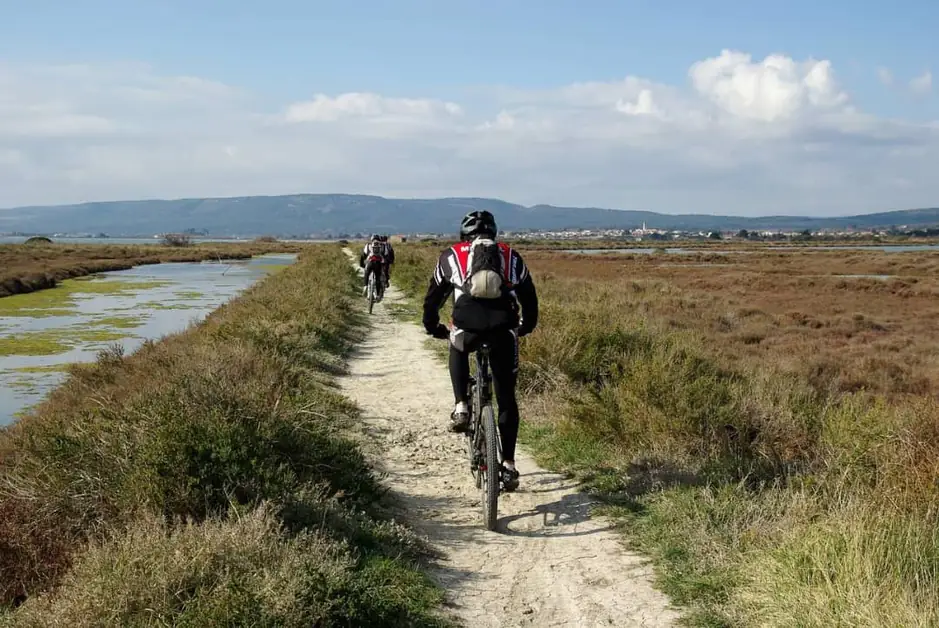
Adriatic Cycle Path in Puglia: from Lesina to Manfredonia
Among lakes, canyons, villages and inland landscapes, an itinerary to discover a Puglia different from the one most people know
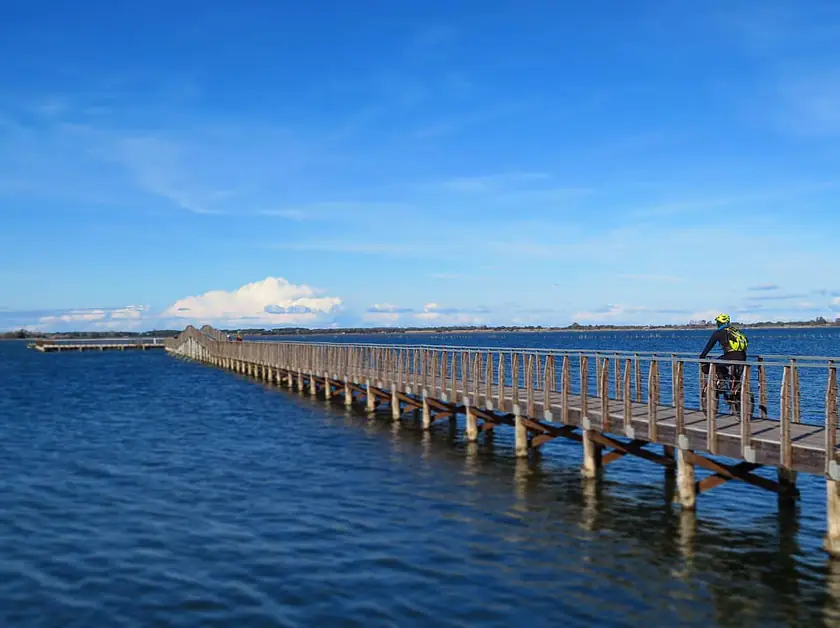
The Adriatic Cycle Route between Lesina and Manfredonia covers about 88 km. It's a new path, partly on an old railway.
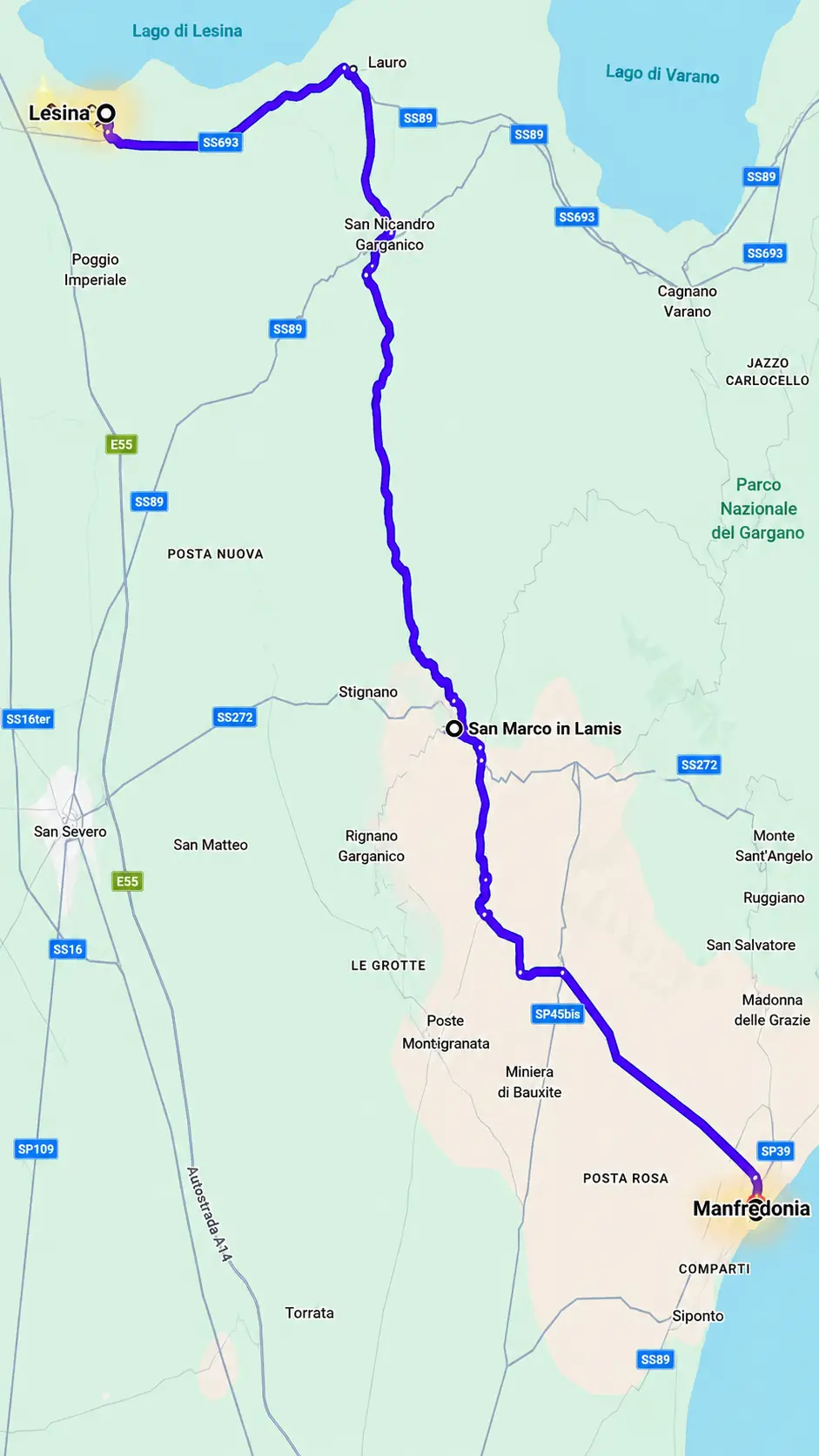
The cycle route passes through eight towns in Foggia province. The connection to Manfredonia isn't finished yet. The main stops are:
Start: Lesina - you begin at the lagoon area, moving inland.
San Nicandro Garganico - you ride along local and service roads.
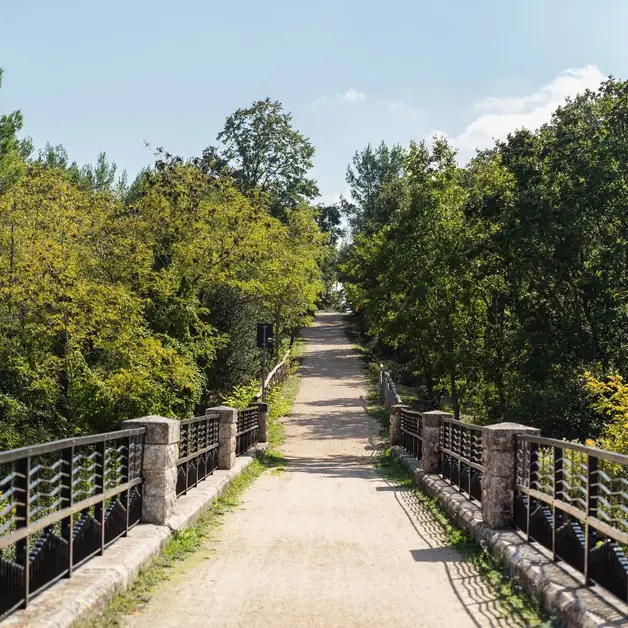
Apricena - a scenic stretch on the old railway track.
San Marco in Lamis - another key section of the railway recovery.
Arrival (Manfredonia area) - the route descends towards the Gulf of Manfredonia.
The total elevation gain is low: under 300 meters. Plus, it's a route with low-traffic roads.
One surprise was the lack of sea views for most of the route. I expected the Adriatic Cycle Route to be closer to the coast.
At the start, you ride along Lago di Lesina, a lake separated from the sea by a thin strip of land. Soon after, the cycle route moves away from the coast and heads inland.
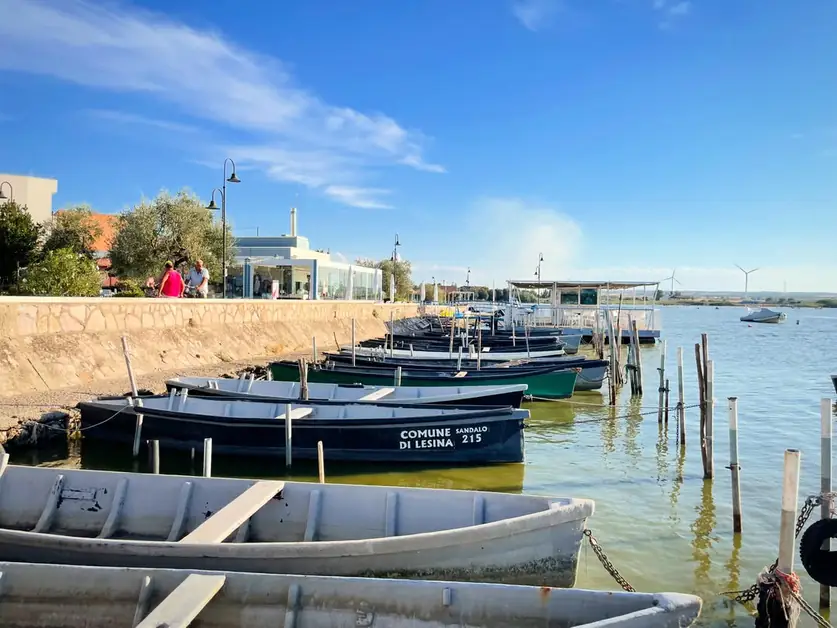
The Adriatic comes back into view only at the end, as the route descends to the Gulf of Manfredonia.
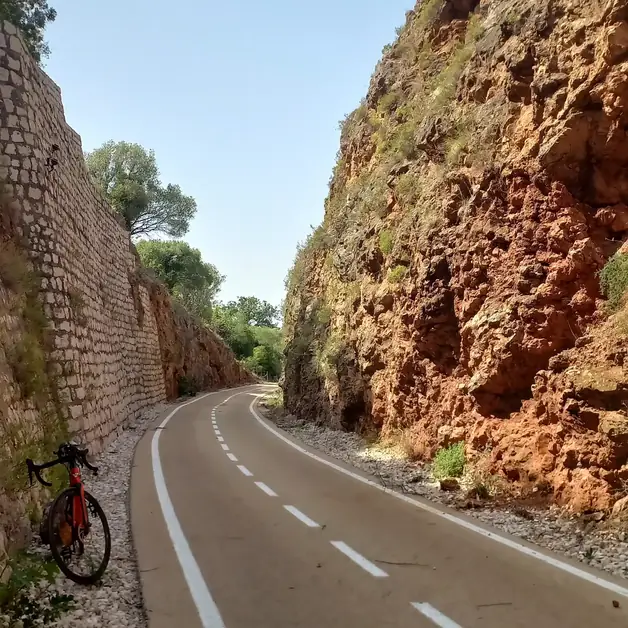
I found the stretch between Apricena and San Marco in Lamis particularly beautiful. Here, the cycle route goes through a small canyon. It's a very different landscape from the Adriatic Cycle Route near Bari or in Salento. I didn't expect this; it felt like cycling in a western movie.
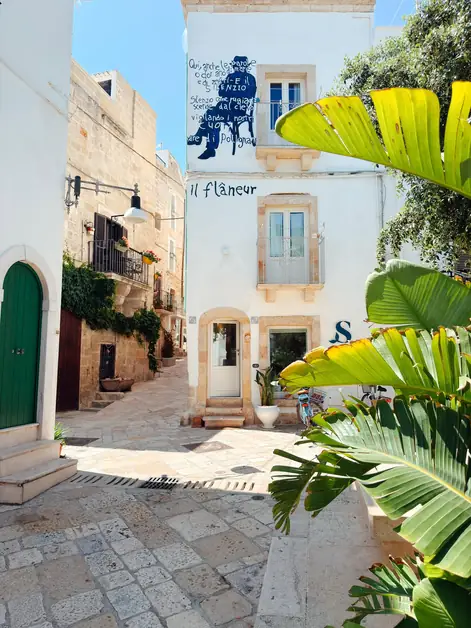
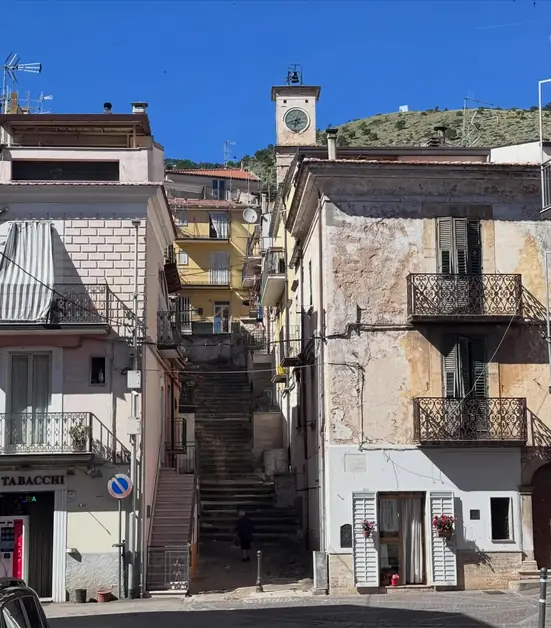
At San Marco in Lamis, just over 40 km from Lesina, I stopped for a snack. I also took the chance to visit the historic center: low white houses, narrow stone alleys, and a medieval atmosphere.
I visited Manfredonia too.
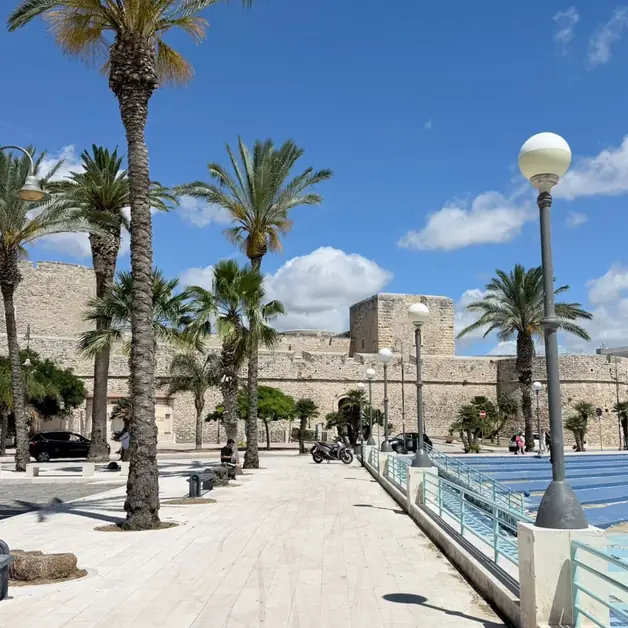
The contrast with San Marco in Lamis struck me: Manfredonia is a port city, monumental, with wide flat streets. San Marco in Lamis, on the other hand, is a mountain village, more compact, with spontaneous and rural architecture. Two very different environments, despite the relatively short distance between them.
You can cover the 88 kilometers in one day, especially if you are fit. But I would recommend taking at least two days to ride more calmly and enjoy the route.
Having traveled this stretch in August, to really enjoy it, I would choose October, when temperatures are more bearable. It's wise to bring an extra water bottle: potable water is mainly found in towns, while fountains are rare in more isolated parts.
There's still a lack of true integration with surrounding areas. The bike path crosses or skirts several towns, but cyclists don't always find services to help them stop, leave their bike, and explore the area.
Thinking about the future of the Ciclovia Adriatica, it might help to look at a well-established experience like the Cammino di Santiago. There, the route is more than just a path: over time, a system of accommodations, dining, services, and activities has developed, accessible even to budget travelers.
Some services for bike tourism are already available, though the prices I saw didn't seem particularly low. One option is luggage transport from one stage to another, allowing you to ride without carrying everything on your bike.
This is a first step to make tackling the Ciclovia over several days easier and turn it into a true travel experience.
Despite small difficulties and things still to improve, it's really interesting. The value of this bike path, in my opinion, lies mainly in how it lets you cross a different and varied Puglia: from the lake to the inland, from small villages to the Gargano, and to the sea of Manfredonia, from where the Ciclovia Adriatica continues to Bari.