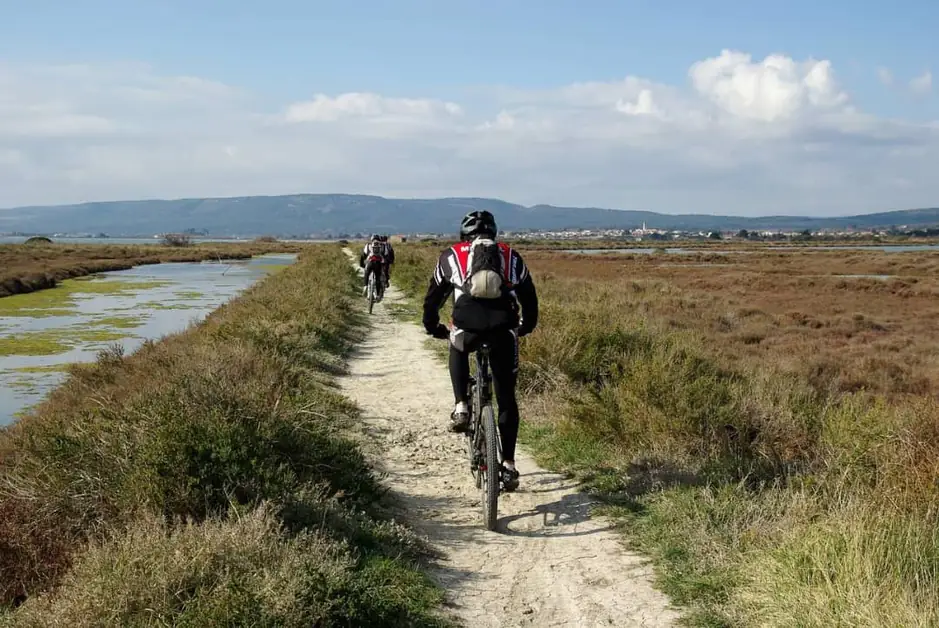
Adriatic Cycle Path: from Brindisi to Leuca through Salento
Over 100 km by bike among olive groves, farmhouses, villages, and coastline, alternating between paths, dirt roads, and low-traffic secondary roads.
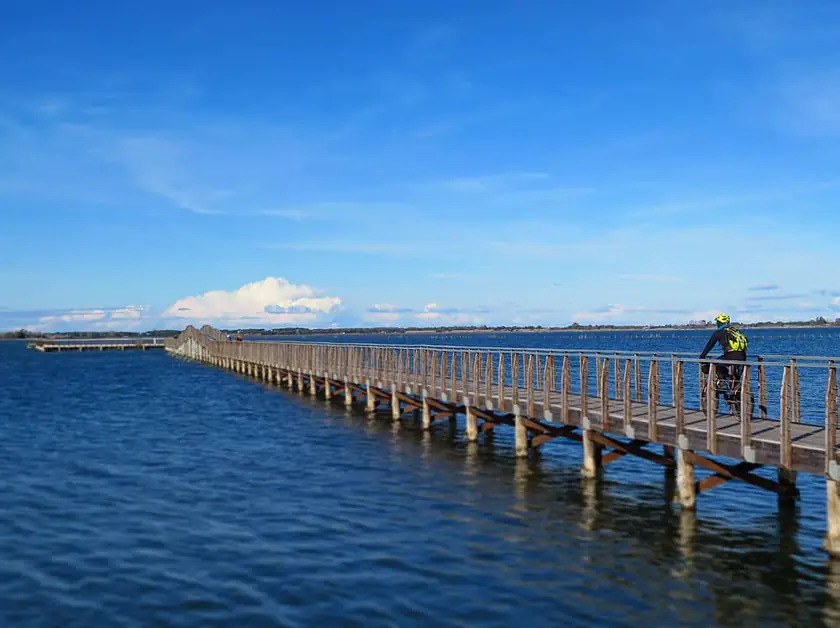
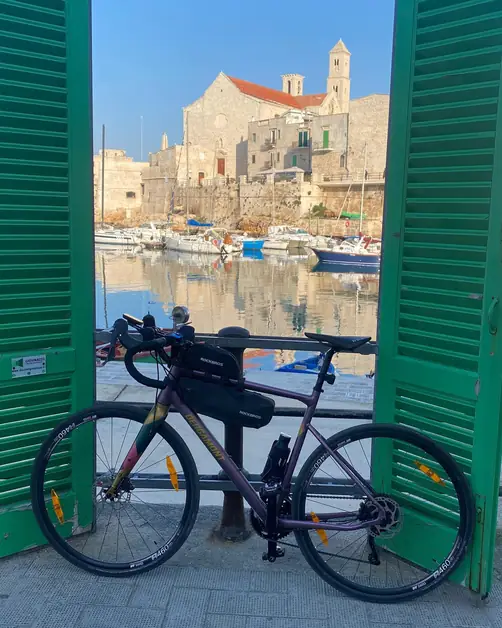
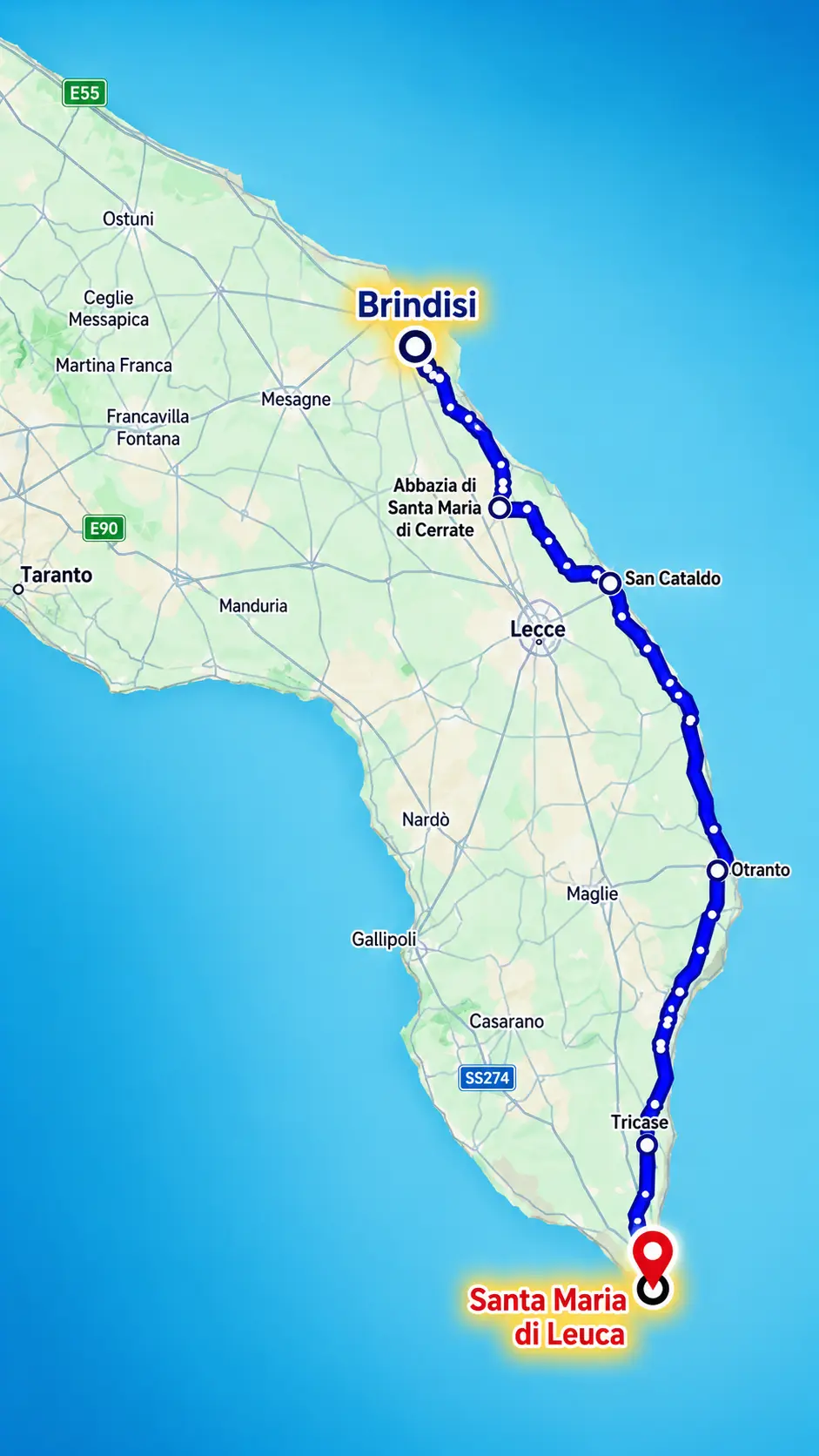
The Ciclovia Adriatica from Brindisi to Santa Maria di Leuca stretches over 100 kilometers. It crosses Salento to Puglia's southernmost point.
From Brindisi, the route heads to Lecce, passing through Punta della Contessa.
From Lecce, it returns to the Adriatic, reaching Otranto and ending at Santa Maria di Leuca.
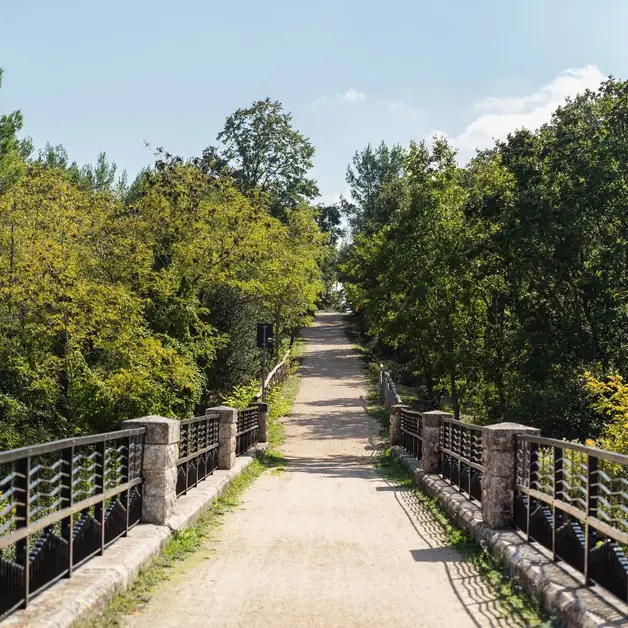
The path varies: it includes bike lanes, low-traffic secondary roads, and short dirt sections. Critical sections: between Brindisi and Torchiarolo, there's about 1 km on a provincial road; between Lecce and Otranto, some sections are on provincial roads with little space for cyclists. So, you need to be extra careful with traffic there.
To enjoy the route without rushing, two days is a good plan. You might stop in Lecce. If possible, avoid July and August. The heat can make midday tougher. In those months, start early and ride during cooler hours.
From Brindisi to Leuca: when the bike path reveals new places
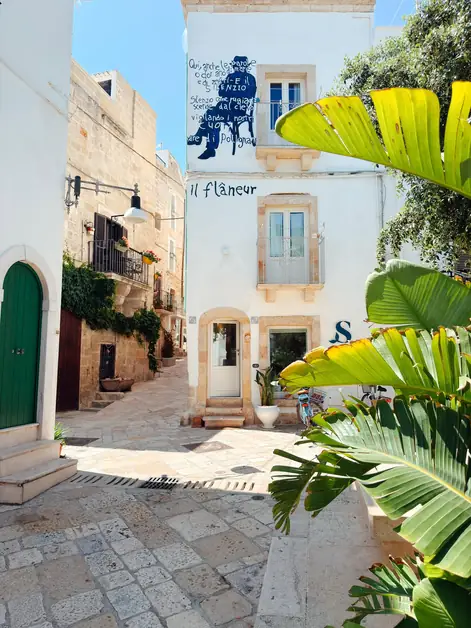
The journey lets you move from countryside to coast, passing through nature reserves, olive groves, and towns.
That's where I realized the beauty of bike touring: it can reveal places you didn't know existed before.
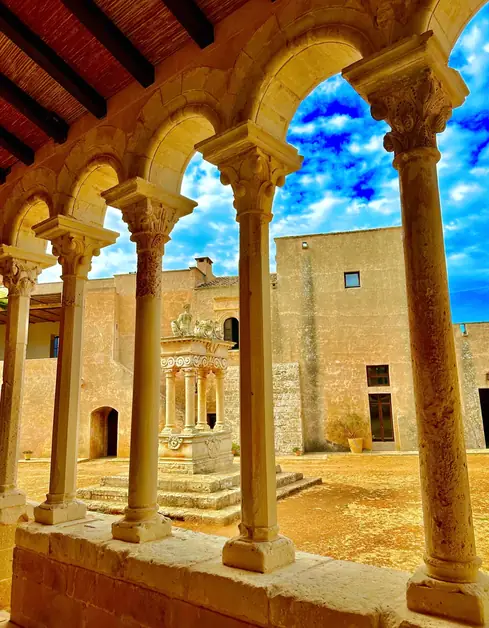
For me, for instance, the Abbey of Santa Maria di Cerrate was an unexpected discovery. I didn't know it and wouldn't have visited if the bike path hadn't led me there.
In Salento, I would have gone straight to Lecce's historic center, the baroque churches, Piazza del Duomo, and the busy streets. But on the Brindisi to Lecce leg, near Casalabate/Torre Rinalda, I turned inland for about 4-5 km along a provincial road.
The detour was marked by a small, weathered sign, almost hidden among the olive trees.
The Abbey (late 11th and early 12th century) was built along an ancient route connecting Brindisi, Lecce, and Otranto. It became an important religious and agricultural center. Today, it's surrounded by the green countryside, offering isolation and tranquility.
Inside the basilica, I was struck by a wall reconstructed using fragments of ancient frescoes. They're arranged without following the original composition. The effect is unique and immediately shows the basilica's transformations over time.
Past the Lecce area, the route continues towards the Adriatic coast. It passes through wetlands, dry stone walls, and ancient farms before reaching Otranto.
From Otranto, the final stretch of the cycle path begins. It continues along the coast to Santa Maria di Leuca.
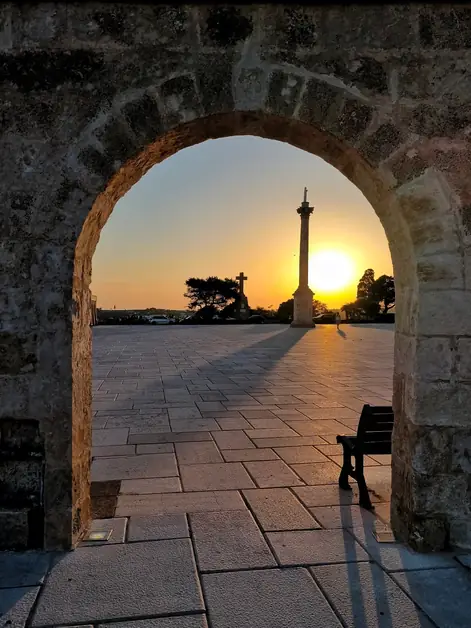
Covering multiple stages requires some planning, especially for luggage transport and accommodations. If you prefer not to organize on your own, you can rely on services dedicated to cycle tourism.
On the Brindisi to Leuca stretch, you can choose between guided tours or going solo, with some logistics already arranged.
Services include luggage transport, bike rental, accommodations, GPX tracks, and assistance if needed.
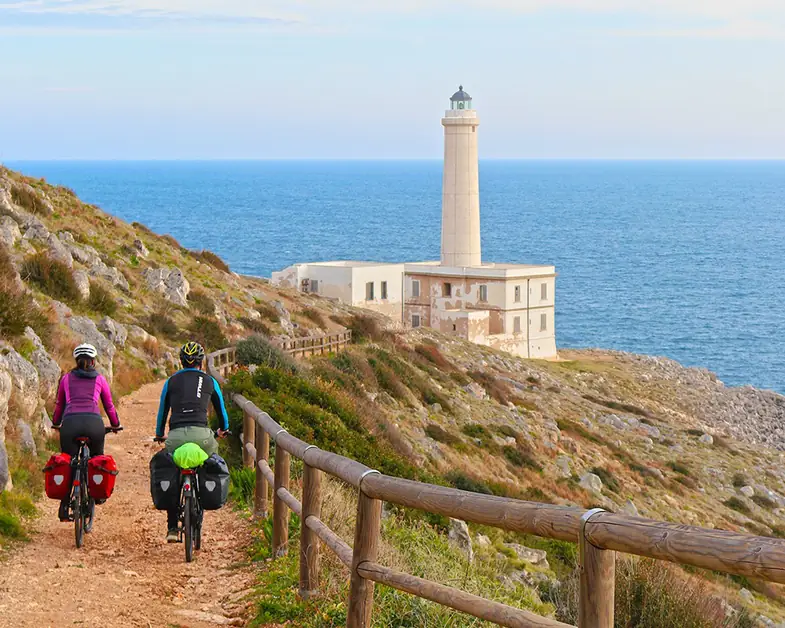
Arriving at Santa Maria di Leuca enhances this feeling: you arrive from above, and after many kilometers, the harbor suddenly appears below, with the sea opening up ahead.
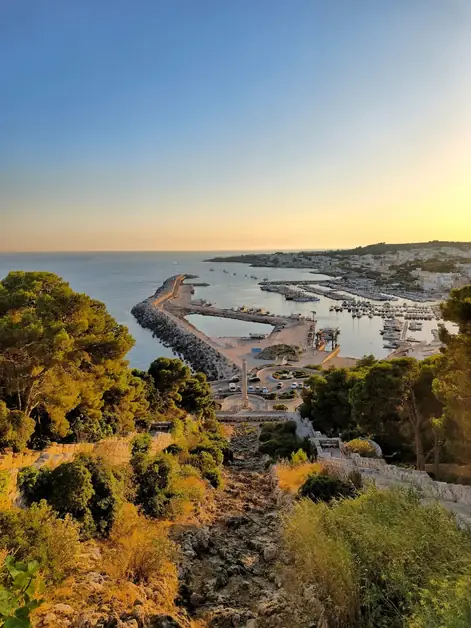
This stretch completes the Apulian section of the Adriatic Cycle Route. Before Brindisi, the route crosses Puglia from Lesina to Manfredonia, continues from Manfredonia to Bari, and goes on from Bari to Brindisi.