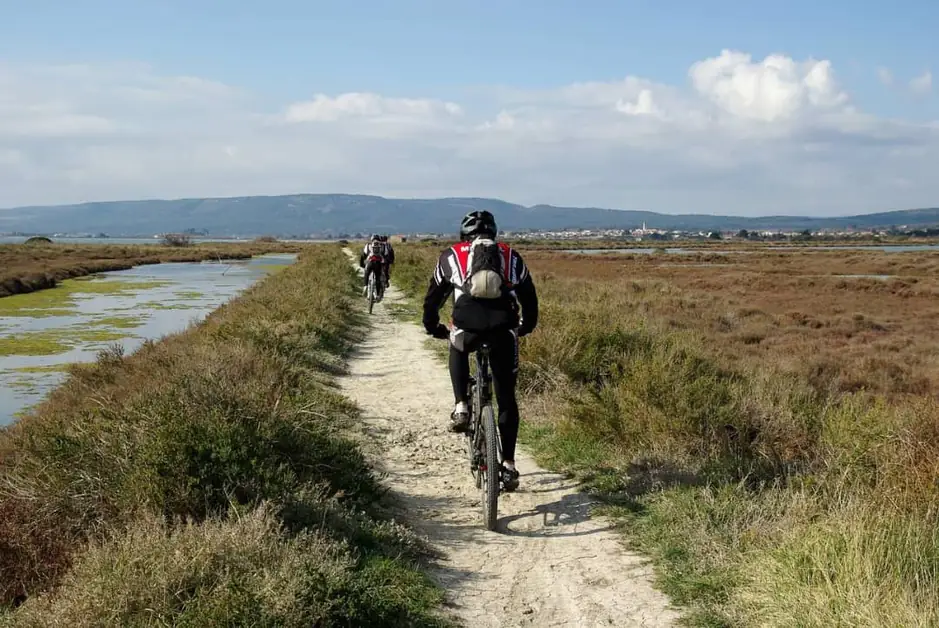
Adriatic Cycle Path from Bari to Brindisi: between coast, olive groves, and villages
Over 120 km by bike through historic centers, Apulian countryside, and nature reserves, divided into three stages
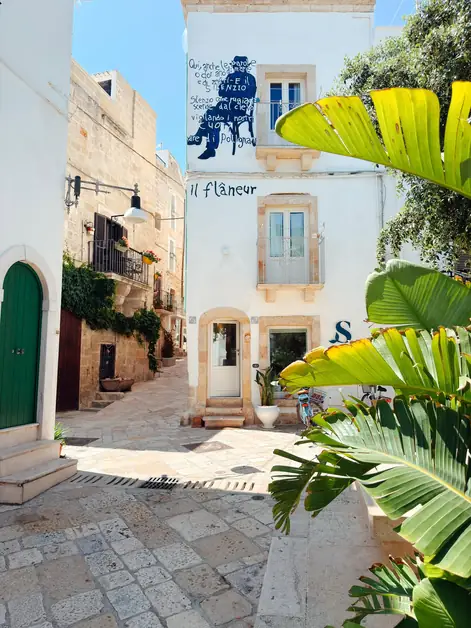
The Adriatic Cycle Route from Bari to Brindisi stretches for over 120 kilometers along the coast. It's mostly flat, with low-traffic secondary roads intersecting parts of the Via Francigena.
Two routes, born from different ideas, end up sharing parts of the path. Cycling mobility meets the concept of slow travel and discovering places.
But you won't always find dedicated bike lanes. Sometimes, you share the road with cars, and traffic is something to consider. However, biking lets you explore the area, stopping in various villages to continue on foot.
From Bari, you pass through Mola di Bari, Polignano a Mare, and Monopoli. Then, you head towards Savelletri and move inland to Ostuni.
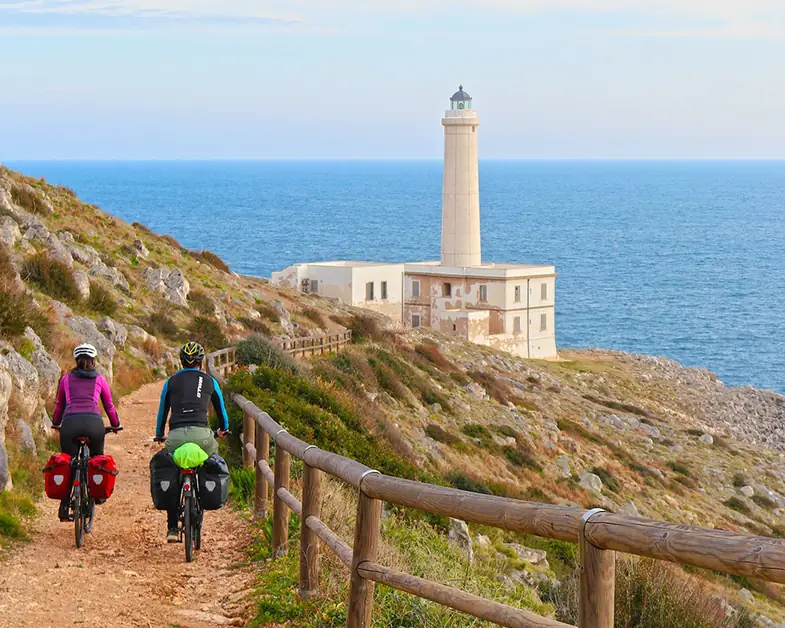
The final part returns to the coast, passing near Carovigno and the Torre Guaceto Nature Reserve, before reaching Brindisi.
The route from Bari to Brindisi is part of a larger journey along the Adriatic Cycle Route. To the north, it continues with the 140 km from Manfredonia to Bari and the section from Lesina to Manfredonia.
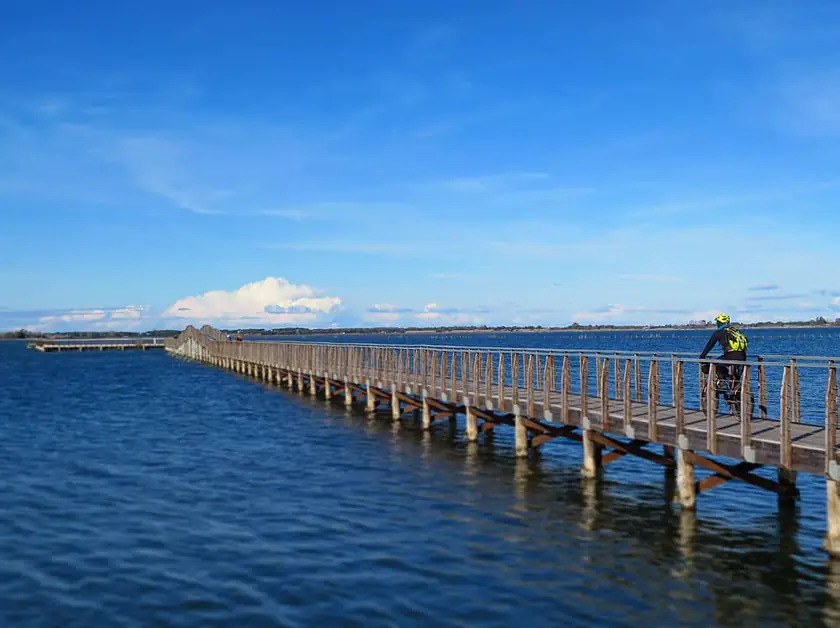
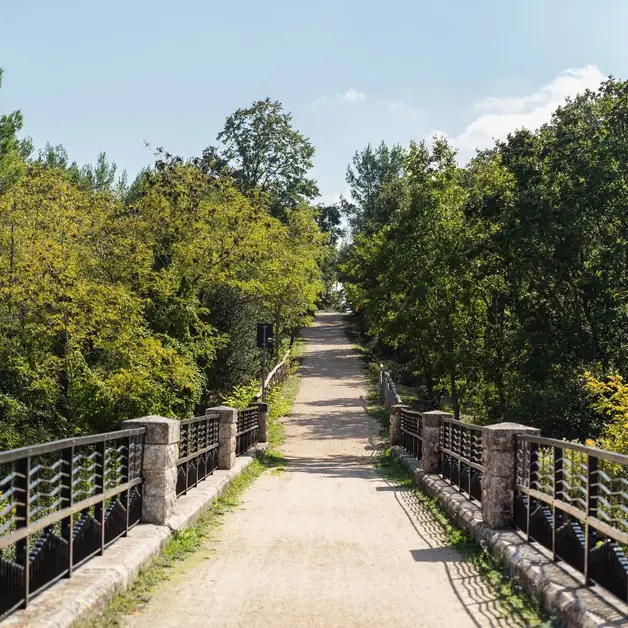
The route crosses diverse environments: coast, olive groves, historic centers, countryside, and protected reserves. Each landscape suggests a stop, a reason to pause and enjoy the journey.
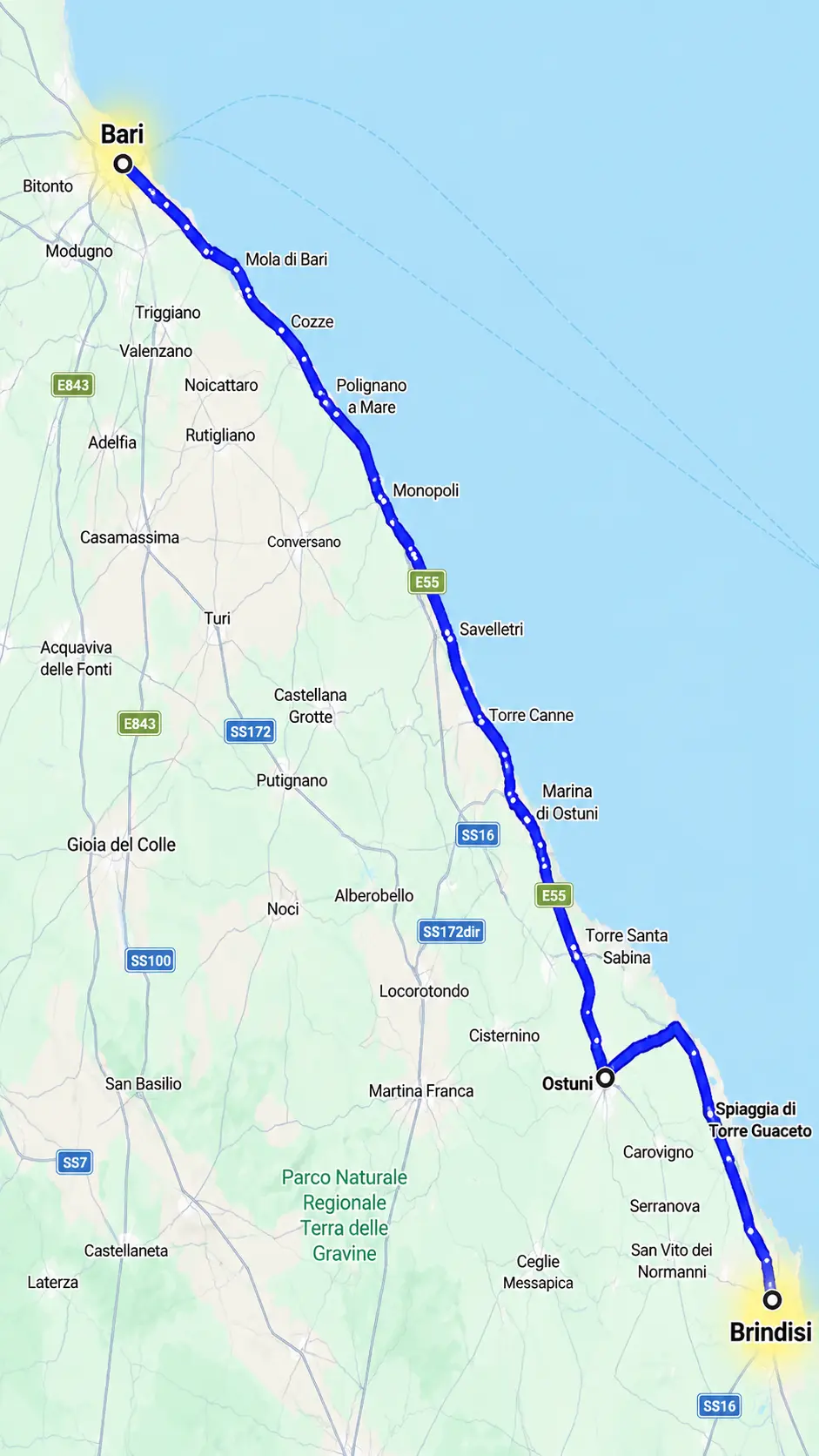
The stages: from Bari to Brindisi in three days
You can divide the route into three main stages, each with its own features.
The first stage is from Bari to Polignano a Mare (about 40 km).
Start at the Basilica of San Nicola.
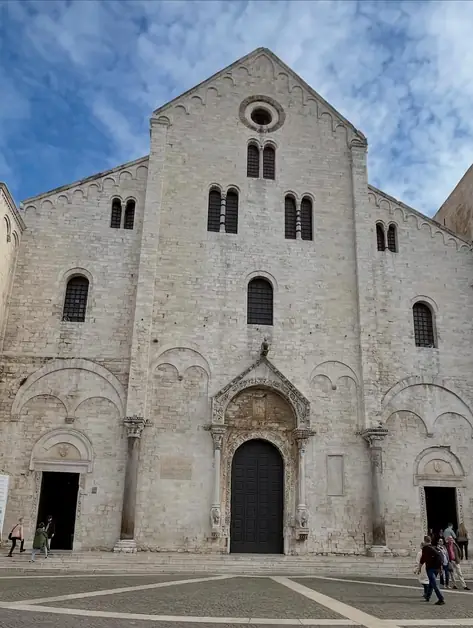
Ride along Bari's seafront.
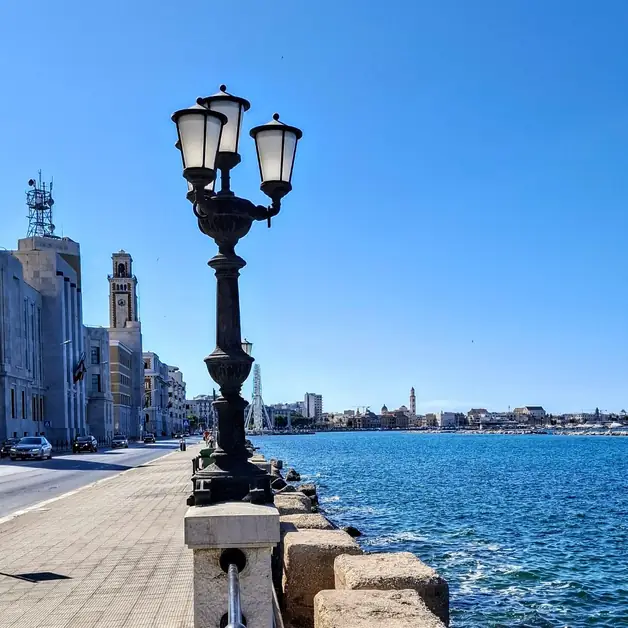
Cycle between the sea and olive trees to Mola di Bari, then reach Polignano.
I left my bike at the historic center's stalls, right by the Arco Marchesale. After crossing the pedestrian area, I reached the view over the iconic Lama Monachile. That day, there was a wedding happening, which you can glimpse in the video I took during my visit.
The ride had been very long, and this spot deserved a celebration. So, I grabbed a drink at the crowded bar on the panoramic balcony: a Campari spritz with snacks (olives, tarallini, and peanuts) for just 15 euros.
The second leg goes from Polignano a Mare to Ostuni (about 42 km), passing through Monopoli.
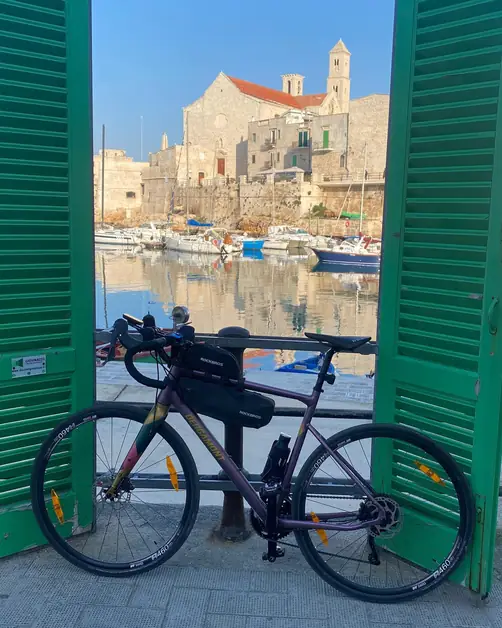
Here, I stopped at a harbor bar for a coffee break, with a view of the fishing boats.
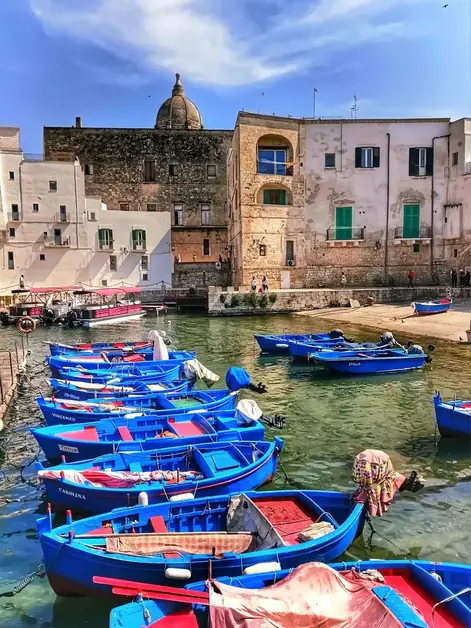
Then I continued towards Savelletri, among ancient olive trees, heading to Ostuni.
The last kilometers to this town, with a slight uphill, made me sweat more than expected. The ancient olive trees lined the route but offered little shade.
The final leg (Ostuni - Brindisi about 52 km) heads back to the coast, passing near Carovigno and the Torre Guaceto Nature Reserve, before reaching Brindisi.
Here, from the top of the Scalinata Virgiliana square, I admired the open sea entering the city's natural harbor -- an image that made the arrival unforgettable.
I probably chose the wrong time: in August, the heat made the ride very tiring, while June or October would have been ideal, cooler, and less rainy.
If I were to do the trip again, I'd bring a bigger water bottle: in August's heat, water was never enough.
If you don't want to organize the trip yourself, you can rely on dedicated bike tourism services.
On the Bari-Brindisi route, there are guided or self-guided options: you ride independently, but some logistics are already arranged.
Services can include luggage transport, bike rental, accommodations, GPS tracks, and assistance along the route.
It's an interesting option, especially for those wanting a longer trip without carrying all their luggage on the bike. Plus, it avoids planning every overnight stay.
Personally, I found the geolocation service very accurate, even in the most isolated stretches among the olive groves. I chose the luggage transport service included in the self-guided package: my bag was already in the room upon arrival in Polignano, without any worry.