Margherita di Savoia Salt Flats: Flamingos and Guided Tour
Immense basins, white mounds, and protected nature: discover how to explore this Apulian landscape along the Adriatic coast.
A landscape shaped by water and salt.
The Salina di Margherita di Savoia is Italy's largest marine salt pan. It stretches 20 kilometers along the coast. It's not just for salt production but also a wetland and bird habitat.
The Adriatic Cycle Route from Manfredonia to Bari passes through the Salina. Coming from the north, it goes through Margherita di Savoia before heading to Barletta and other coastal towns.
The first thing you'll notice is the vast area. Pools follow one another in an almost geometric landscape. Different water depths and salt levels create diverse natural environments.
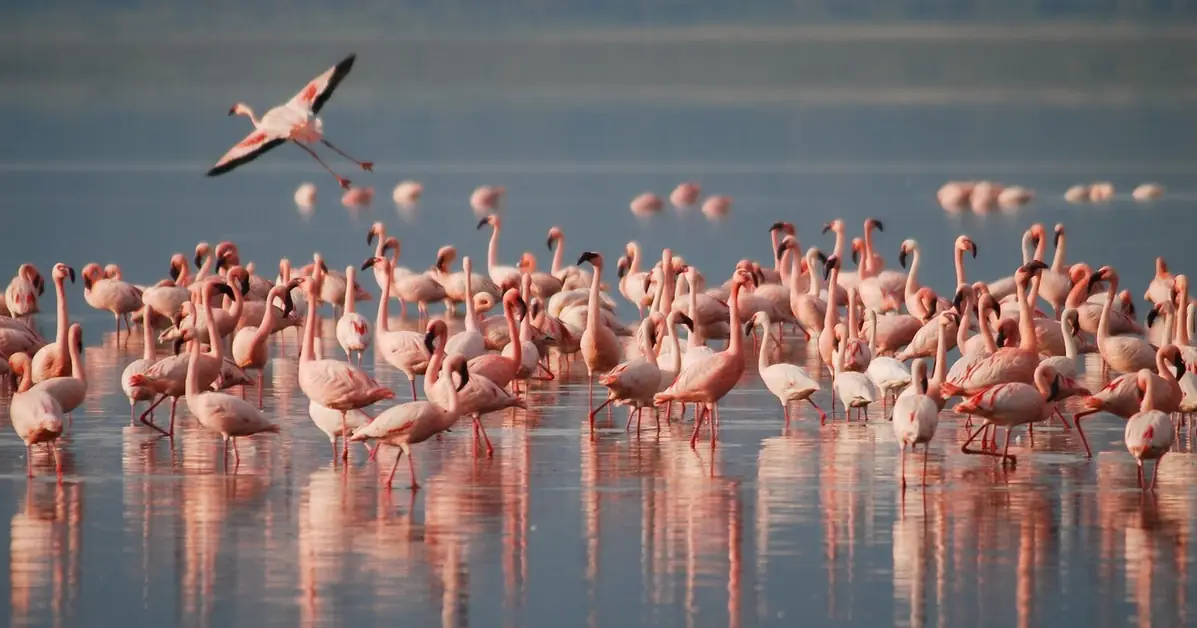
The basins for salt production are perfect for many water birds like pink flamingos, herons, cormorants, and wild ducks. At certain times, you'll also see birds of prey and migratory species.
Exploring the Salina.
During the visit, the guide takes you to production areas. They show the salt process, from seawater entry to final collection. There are stops along the way for birdwatching.
The most spectacular stop was on the Sentiero Airone. The pink of the flamingo colony stands out against the white salt mounds.
To see the animals better, you should bring binoculars because the Salina is vast, and many birds are far away.
The site is visitable daily by reservation only. All details and updated contacts are on the official website salinamargheritadisavoia.it.
The exploration lasts about an hour and a half. You can drive your car or take a little train, but either way, the route isn't free, and an environmental expert is required.
At the set time, the gates open, and visitors board the tourist vehicle or have the guide join their car.
I suggest you take the little train because on long internal routes (10/20 km), your car might get dusty in dry periods or muddy when it rains.
If you prefer using your car, you'll need to drive very slowly and get out at each stop to hear the guide's explanations.
We organized the visit mainly for the kids, curious to see the flamingos up close. But it was a surprising experience for us adults too. We learned a lot about salt processing and this unique ecosystem. A trip I recommend for the whole family, young and old.