Visiting Padula: Certosa, Battistero, costs and getting around
The combined ticket costs €14 and is valid for 48 hours. A car is the most convenient way to travel between the village, Certosa and Battistero, which is accessible by reservation
We spent a day in Padula, in the Vallo di Diano, visiting the medieval village, the Certosa di San Lorenzo and the Battistero Paleocristiano di San Giovanni in Fonte. Here's what we saw, how we got around, what we spent and what stood out to us, including a few limitations we encountered during our visit.
Visiting Padula: the village, the Certosa and the Battistero
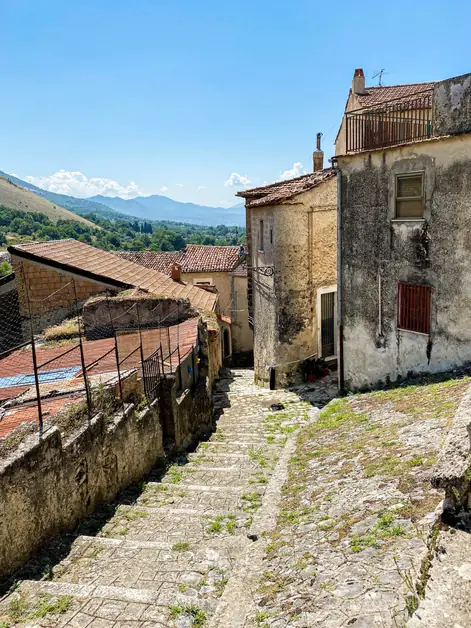
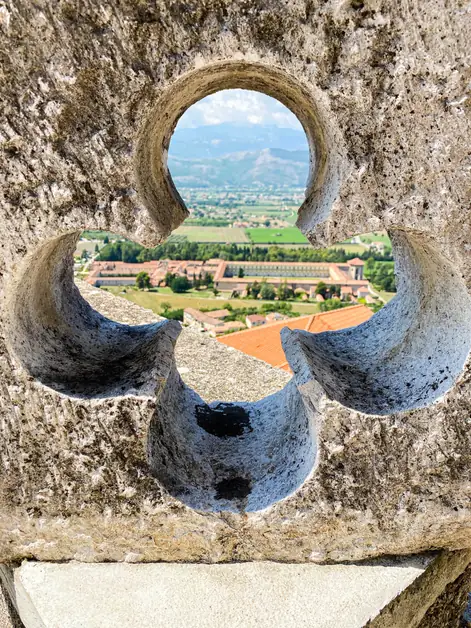
Padula is a medieval village in the hills of the Vallo di Diano, in the province of Salerno, in the heart of Campania. Its historic center stretches along the hillside, with narrow lanes, stairways, old buildings and views across the valley. It is best known for the Certosa di San Lorenzo, one of Europe's largest monastic complexes and a UNESCO World Heritage Site.
The village is about 100 km from Salerno and 50 km from Sapri. The Certosa lies below the historic center, while the Battistero is about 3 km from the monastic complex. To visit Padula and its main monuments, a car is the most convenient option.
To get there, take the A3 Salerno-Reggio Calabria motorway, exit at Padula-Buonabitacolo and continue on the SS 19. The Certosa is about 3 km from the Padula turnoff.
If you're traveling by train, you'll need to get off at Salerno: Padula has no direct rail connection. Buses connecting with Trenitalia services leave from Piazza della Concordia, about a 5-minute walk from the station, and go to the Certosa. It's an option, but less practical if you also want to travel between the village and the Battistero.
We spent about an hour at the Certosa di San Lorenzo, an impressive monumental complex worth exploring at a relaxed pace. Its rooms, cloisters and sheer size speak to the site's historical importance.
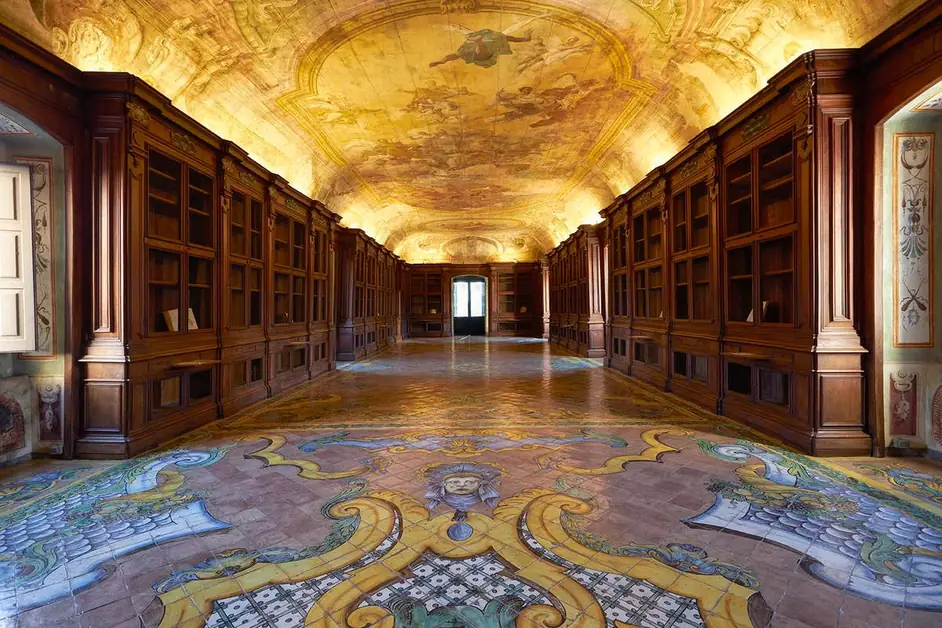
We did encounter some limitations, though. During our visit, the entire upper floor, including the Biblioteca, was closed to visitors. At the entrance, we found no clear information about which rooms were closed or why they weren't open. It would be helpful to make this clear before visitors buy a ticket, especially given the prominence of the rooms featured on the website.
The Library is also worth seeing for its 18th-century floor. To protect it, visitors must take off their shoes before entering. It is open on Saturdays from 9:00 a.m. to 12:30 p.m., except on public holidays.
The combined Certosa and Padula ticket costs 14 euros and is valid for 48 hours. It includes the Certosa di San Lorenzo, with its casa alta, casa bassa and park, the Museo Civico Multimediale, the Casa Museo di Joe Petrosino and the Battistero di San Giovanni in Fonte.
We also paid 4 euros for parking. A guided tour can cost another 10 euros. If you're paying for parking on your own, the total is 18 euros without a guide or 28 euros with one. If you're visiting with others, you can split the parking cost.
The Certosa ticket office is open from 9:00 a.m. to 6:45 p.m. on Mondays and Wednesday through Sunday; it is closed on Tuesdays. Check the time of last admission and whether each area is accessible.
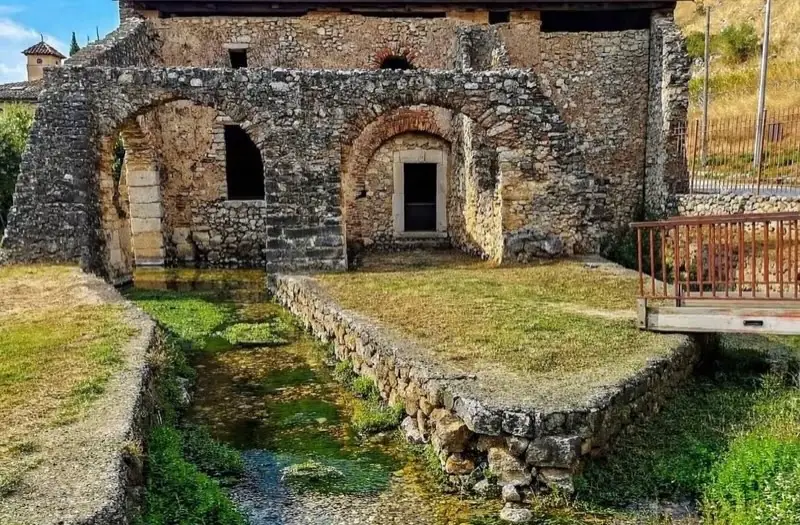
With the combined ticket, we also visited the Battistero Paleocristiano di San Giovanni in Fonte, driving there from the Certosa. What makes this ancient religious building unusual is a natural spring that feeds directly into the baptismal font.
The Battistero has a charm of its own. We noticed pigeons inside, a problem that calls for maintenance and protective measures to better preserve the monument. It is still a very interesting visit, especially because of the building's unusual design. Visits must be booked in advance, so it's best to plan ahead.
Padula's historic center rounds out the itinerary. Unlike the Certosa, which sits in a flatter area, the village retains the layout of a medieval hill town. Walking its streets reveals another side of Padula beyond its better-known monuments.
We recommend spending at least half a day in Padula and using a car to travel between the historic center, the Certosa and the Battistero. Since the combined ticket is valid for 48 hours, you can also spread your visits over two days rather than fitting everything into a few hours.