Certosa di Padula: how to get there, tickets and opening hours
From Salerno, you can get there by bus; the combined ticket costs 14 euros and is valid for 48 hours. The ticket office is open from 09:00 to 18:45 and closed on Tuesdays
If you're wondering how to get to the Certosa di San Lorenzo in Padula, whether you can reach it by public transport, how much tickets cost, when it opens, and why you have to take off your shoes to visit the Biblioteca, you'll find the information you need to plan your visit here.
Visiting the Certosa di San Lorenzo in Padula
Padula is a town in Campania, about 100 km from Salerno and 50 km from Sapri. To reach the Certosa by car, take the A3 Salerno-Reggio Calabria motorway, exit at Padula-Buonabitacolo and continue along the SS 19. The Certosa is about 3 km from the Padula turnoff.
If you prefer public transport, bear in mind that Padula has no direct rail connection. You can take a train to Salerno station, then catch one of the buses provided by Trenitalia. They leave from Piazza della Concordia, about 5 minutes' walk from the station, and go to the Certosa.
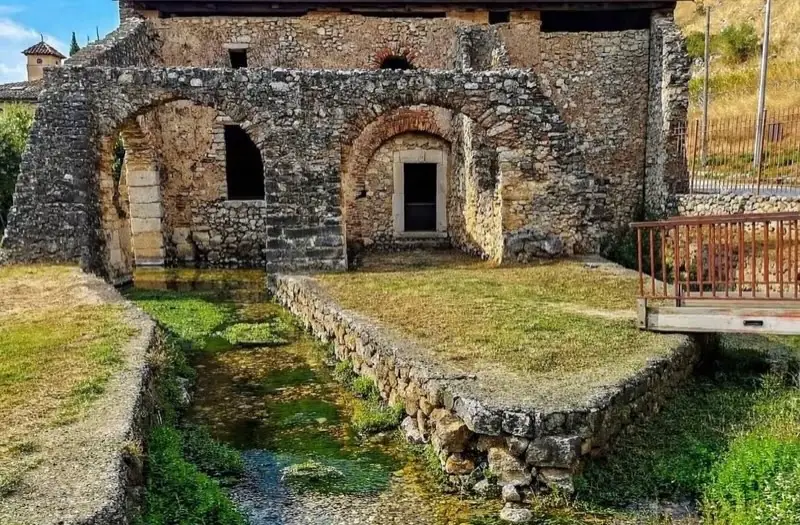
For your visit, there's a combined Certosa and Padula ticket. It covers the Certosa di San Lorenzo, including the casa alta, casa bassa and park, as well as the Museo Civico Multimediale, the Casa Museo di Joe Petrosino and the Battistero di San Giovanni in Fonte.
The ticket costs 14 euros and is valid for 48 hours, so you can visit the different sites over two days.
The ticket office is open from 09:00 to 18:45 on Monday, Wednesday, Thursday, Friday, Saturday and Sunday. It is closed on Tuesday. Ticket office hours do not necessarily match the last admission times for the different areas.
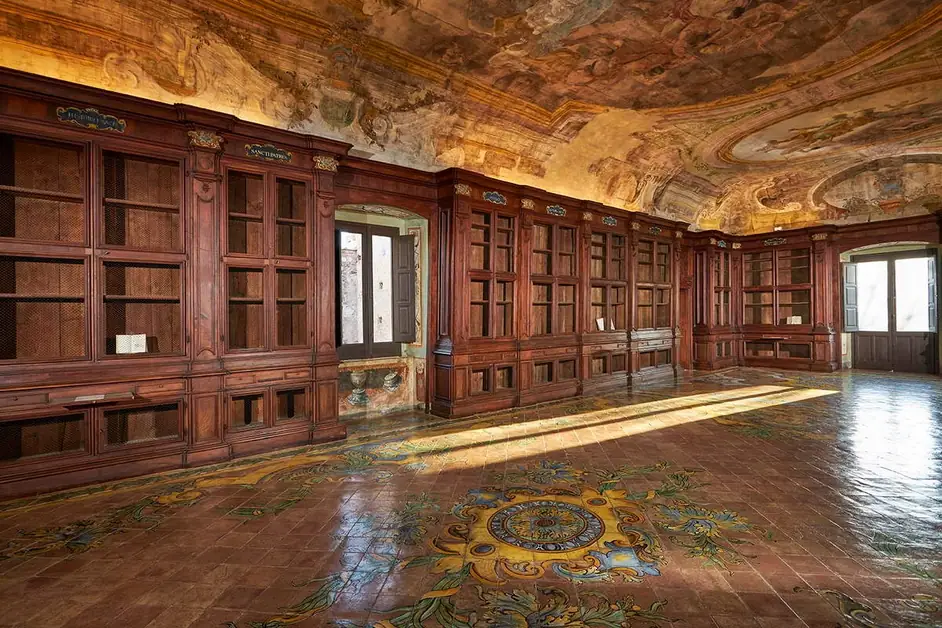
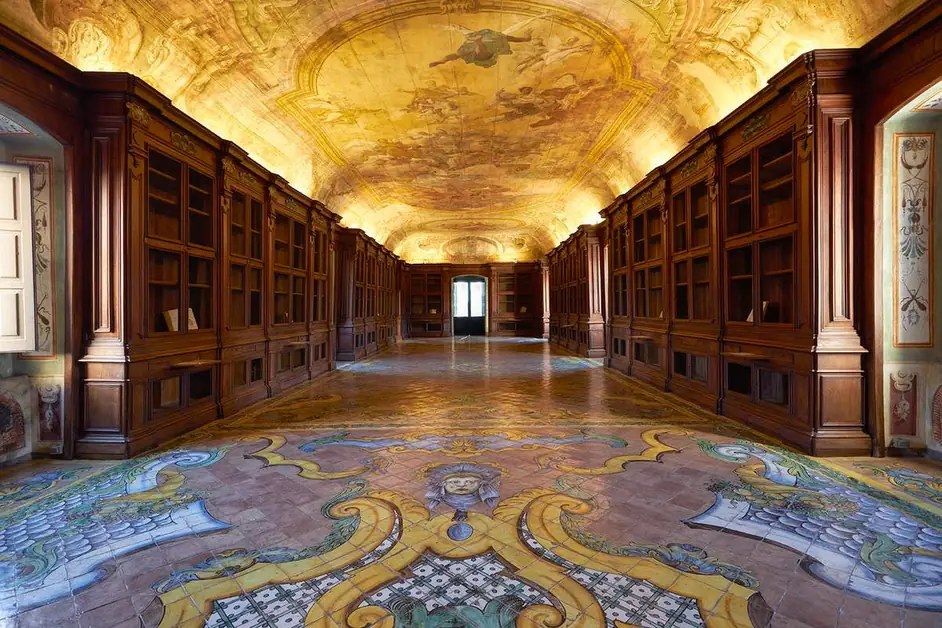
One unusual part of the visit is the Biblioteca della Certosa di San Lorenzo. To protect its precious 18th-century floor, new rules have been introduced for entering the main room.
Before entering, visitors must take off their shoes. This helps preserve one of the monastery complex's most precious rooms.
It's worth knowing before you arrive, and it gives you another reason to look closely at the Biblioteca's historic floor, an integral part of the Certosa's artistic heritage.