The Beauty and Use of Trani Stone in Construction
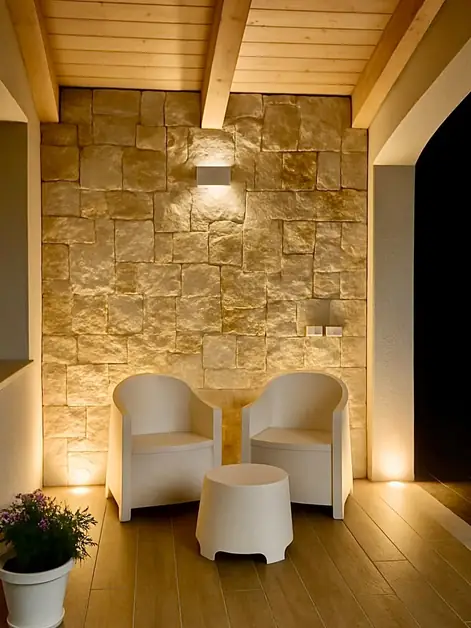
Trani Stone is a precious material used in construction and art.
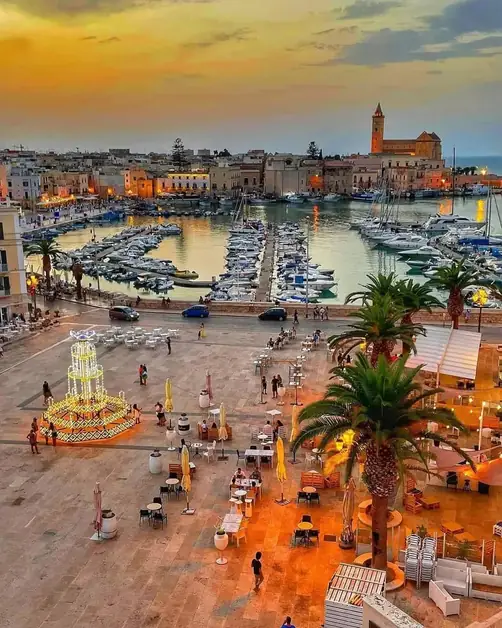
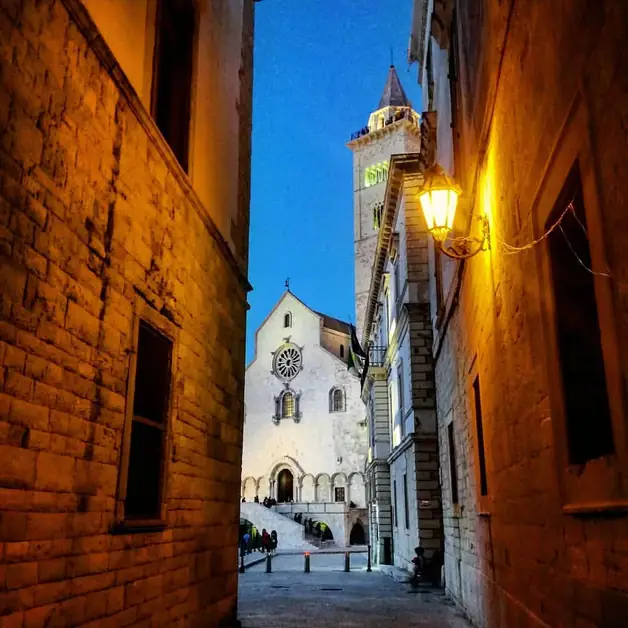
In Trani, one detail stands out: the light stone color. You see it in the Cathedral, in the city center buildings, even in simple walls. It's not just an aesthetic choice, but a result of the land.
The area's underground is rich in high-quality limestone. This is where the "Trani stone" comes from. Over time, it became a city symbol. You can still see it in the quarries today, where it's extracted.
Even in Roman times, this stone was used for buildings and public works. The reason is simple: it's easy to work with, yet strong. This combination isn't common, making the material popular over time.
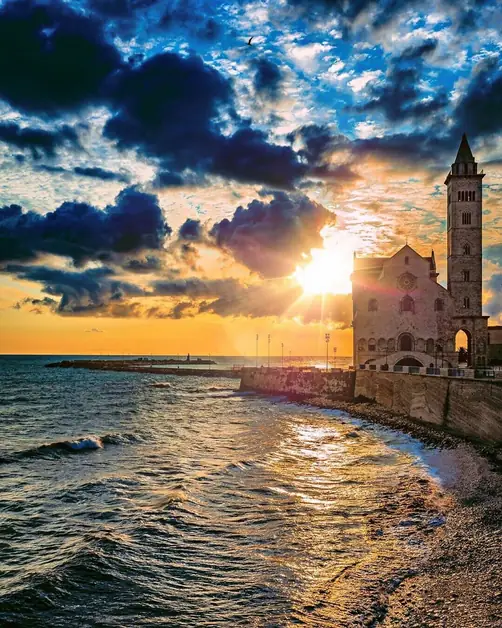
Walking through Trani, you quickly understand why. The stone has a special brightness. It's not a cold white but warms up, reflecting the sun softly. Early morning, it's almost clear and uniform. By sunset, it turns warmer, with golden tones. You see this clearly in the Trani Cathedral, a prime example of Apulian Romanesque style.
Here, stone isn't just structure; it's a visual experience. The facade almost seems to move, and the material becomes the star, not just a covering.
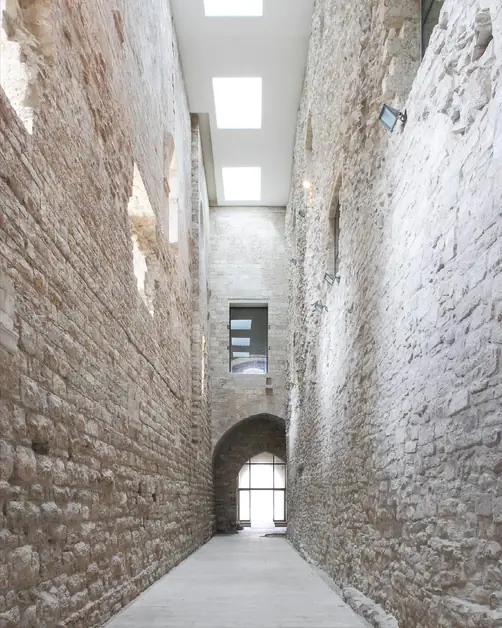
Besides the aesthetic side, there's a practical aspect too. This stone withstands weather well and can be precisely carved and finished. Over centuries, it adapted to different architectural styles without losing its identity.
A true tradition has developed around this material, both artisanal and industrial. It involves not just construction, but also processing, cutting, and finishing. Trani has become a reference point in this field.
That's why the stone didn't stay confined here. Over time, it was exported and used outside Puglia in prestigious projects. It's a case where a local resource gains recognition elsewhere.
I had the same feeling in Brindisi: the Monumento al Marinaio is made of carparo and Trani stone. Its shape, like a large ship's wheel, shows how this material combines aesthetics and function in different contexts.
In the end, calling Trani the "city of stone" isn't just a saying. You feel it when walking and noticing the details. Stone isn't just a material; it's a constant presence that ties together aesthetics, history, and the city's identity.