Oropa della Serra Cycle Path: route and difficulties
From Santhià to Oropa through villages, woods, and challenging climbs, returning via Biella and the Bessa Reserve
The Ciclovia di Oropa della Serra is a loop route about 120 km long. It starts at Santhià station, reaches the Oropa Sanctuary, and returns via Biella and the Bessa Nature Reserve. The full route can be split into two parts: 64.9 km from Santhià to Oropa and 55.7 km back to Santhià.
The toughest part is the way to Oropa, with about 1,215 meters of climbing. Without an e-bike, some climbs are really tough. From my experience, you need to be fit.
The landscapes aren't as famous as those in Valle d'Aosta, but they're beautiful. You'll find nature, the history of an industrial tradition with old textile factory chimneys, and you can feel the locals' love for their land.
You can find technical details of the route on the official Cammino di Oropa website.
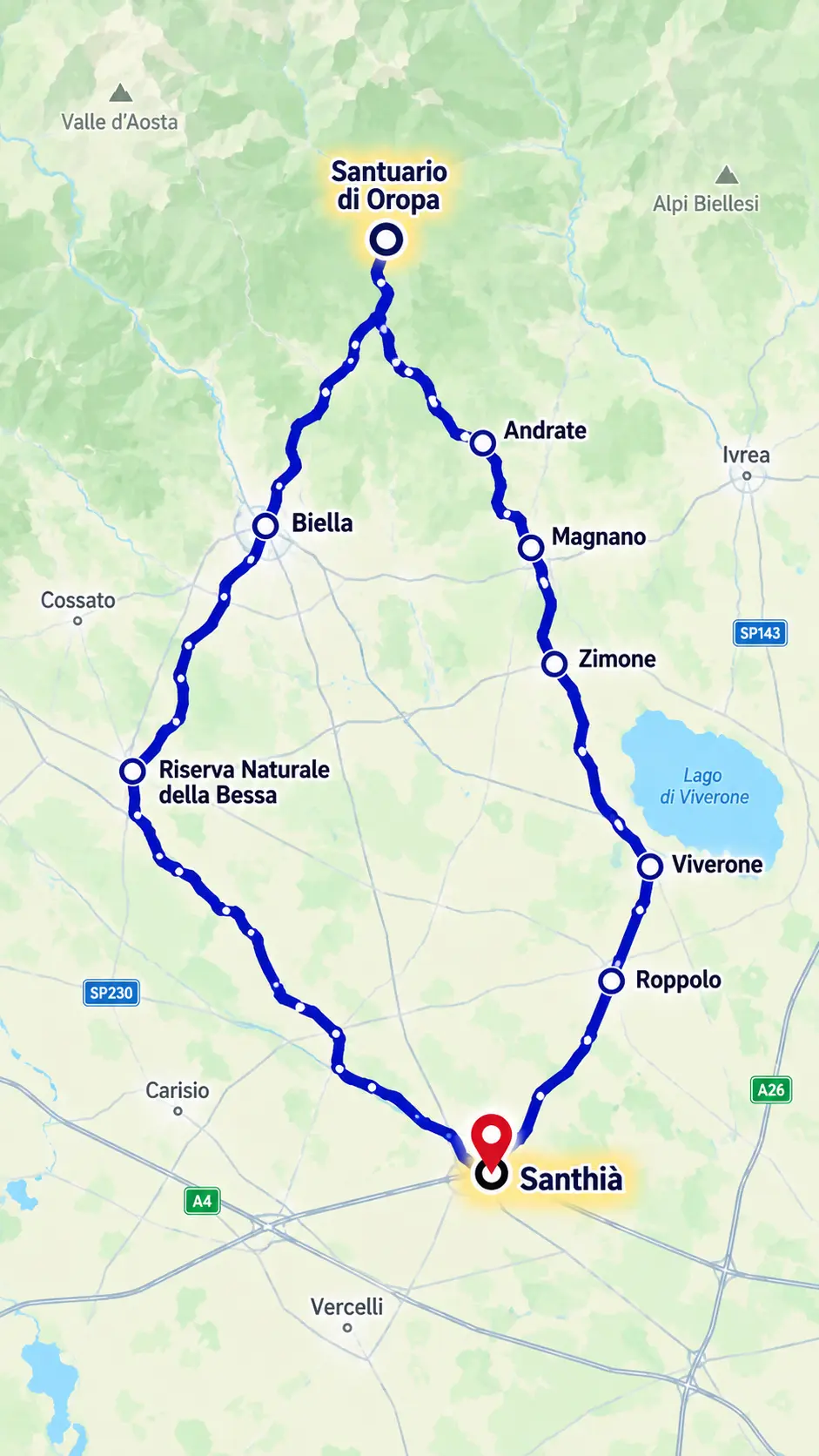
Route, difficulty, and what to see
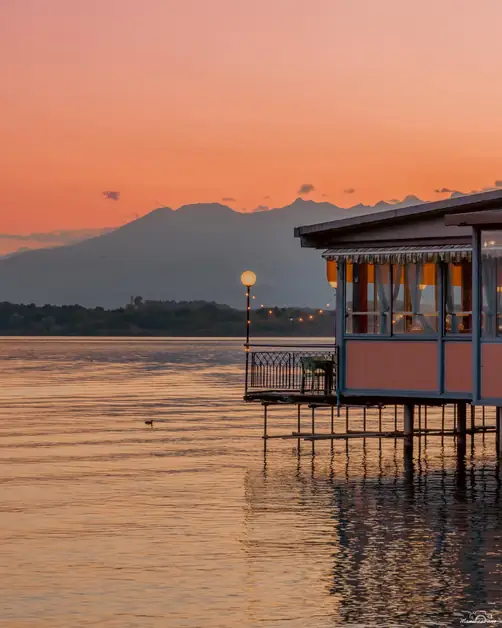
Starting from the Santhià train station, you initially follow a section of the Ciclovia Francigena towards the Ivrea amphitheater. After Cavaglià, you reach Roppolo, dominated by the castle, and then Viverone, near the lake of the same name.
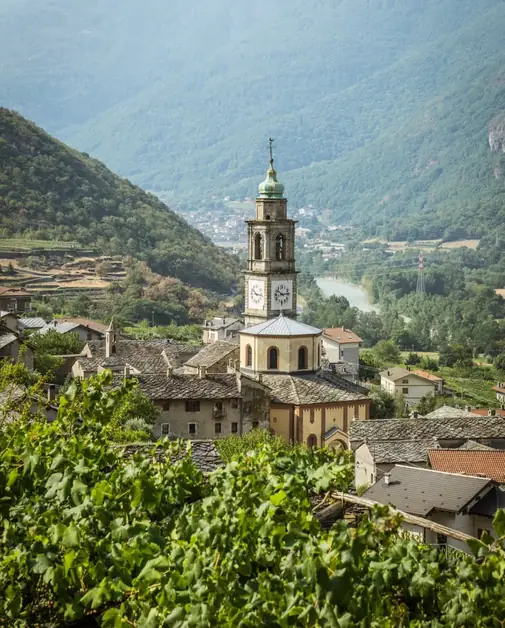
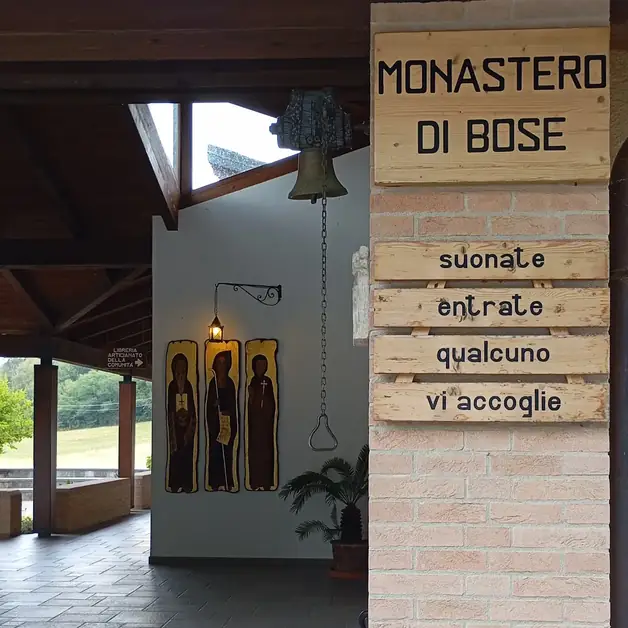
From here, the route becomes more challenging. You climb towards Zimone and cross the small valleys of the Serra to Magnano, where the Monastery of Bose is located.
Then you continue to Sala Biellese and tackle another climb to reach Andrate. To get a sense of the area's landscapes, you can also watch my video of Lago Pistono.
One of my favorite parts is the Tracciolino. It's a scenic road along the Alpi Biellesi, offering views of the plains below.
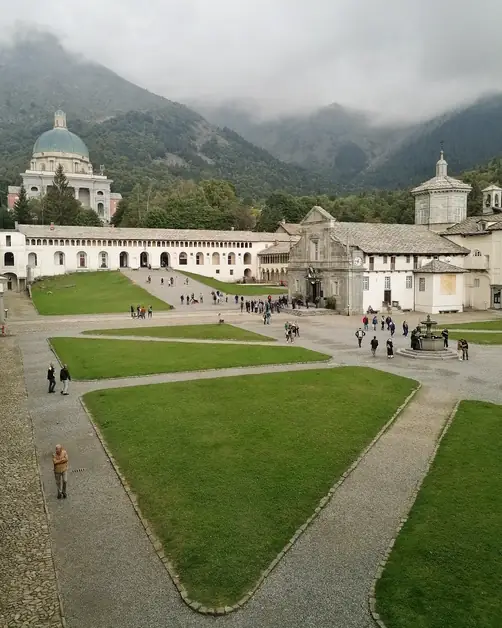
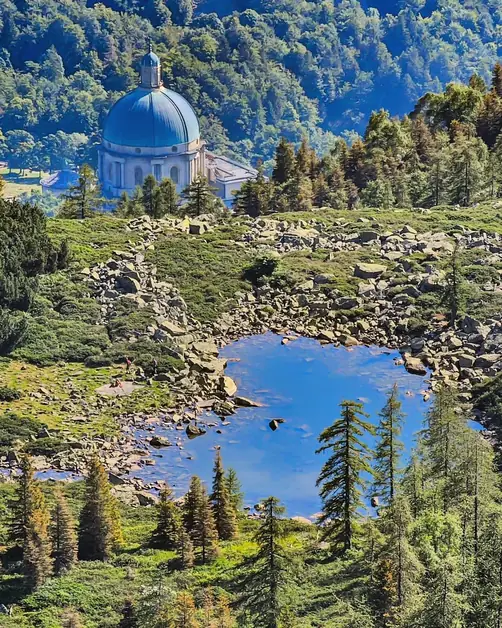
The first part ends at the Santuario di Oropa, over 1,100 meters high. The route is about 64.9 km, taking around 5 hours and 24 minutes with 1,215 meters of ascent.
To return to Santhià, you can take a different route, completing the loop. From Oropa, head down to Biella on the road made famous by Marco Pantani in the 1999 Giro d'Italia.
In Biella, it's worth visiting the Piazzo, the historic district in the city's upper part, before continuing to the plains.
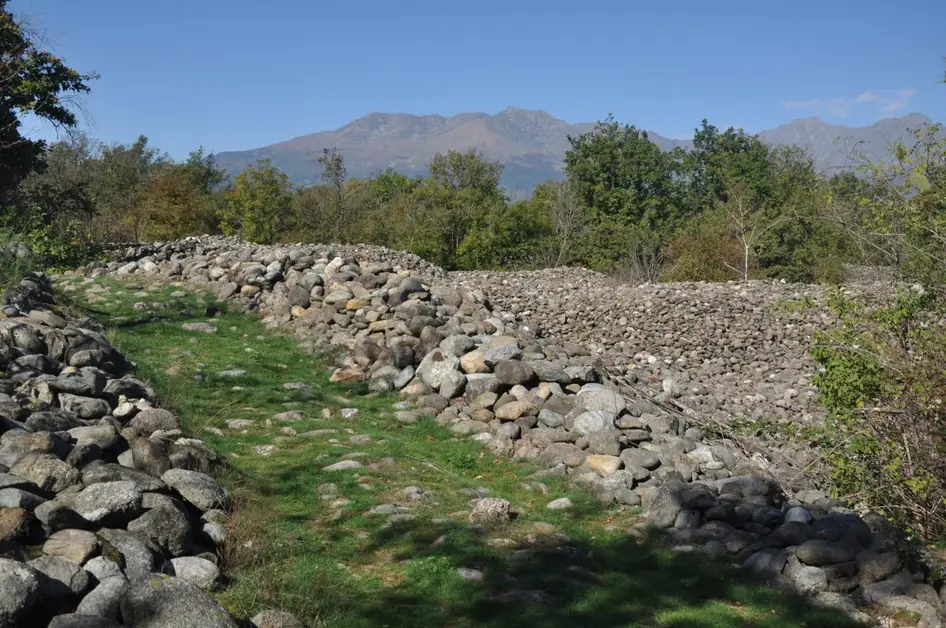
The route then passes near the Elvo River and through the Riserva Naturale della Bessa, known for its large pebble deposits from ancient gold mining.
From there, head back to Zimone and finally to Santhià, mostly on paved secondary roads.
The return is easier altitude-wise: 55.7 km, with about 257 meters of ascent and 1,220 meters of descent. It takes around 3 hours and 30 minutes.
Another thing I loved about this area is the food. In Biella and nearby towns, the food is excellent, often with surprising value for money.
In Zimone, I remember a meal at Enrico's with great mushrooms and a plentiful Piedmontese menu: appetizers, first courses, mixed fry, dessert, house wine, digestif, and coffee.
The Ciclovia di Oropa della Serra doesn't just lead to the famous Santuario di Oropa. It lets you slowly explore parts of Biellese with small villages, woods, scenic roads, and places often missed if you only visit Piedmont's famous spots.