Autumn Walks Not to Miss at Lake Viverone
Discover why Lake Viverone is perfect for autumn walks.
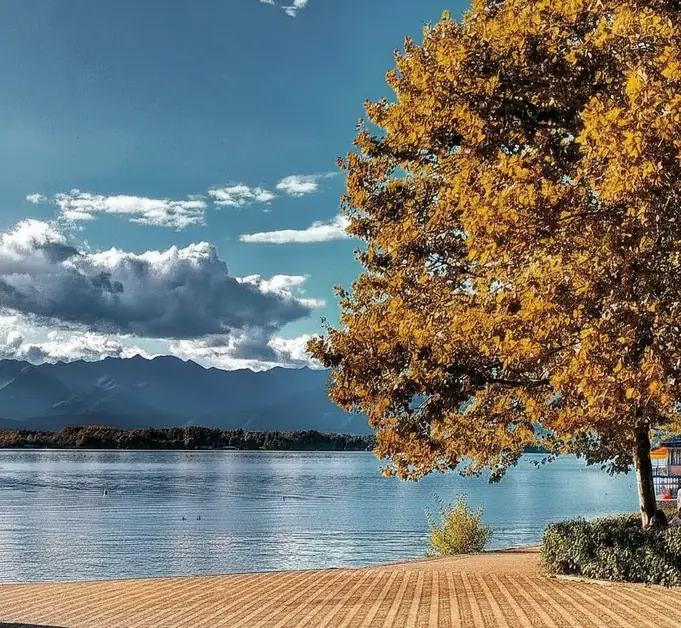
We were in Biella for the mountains, planning to go up to Oropa. But the heat and a craving for something more "beach-like" changed our plans.
We asked around and heard about Lake Viverone. It's less than a 30-minute drive from Biella. It was an easy but perfect detour.
Lake Viverone is one of those places you might underestimate at first. On paper, it's "just" the third-largest lake in Piedmont, under 6 km², and about 50 meters deep. But when you get there, you realize rankings aren't the point.
It's located between Canavese and the Biellese, nestled among Viverone, Piverone, and Azeglio. It's in the Ivrea morainic amphitheater, which explains the harmonious landscape. But what really stands out is the balance between the lake's two sides.
On one side, the northeastern area is more developed: beaches, bars, restaurants, and places to rent sunbeds and umbrellas. The confirmed swimming beaches, like Viverone, Anzasco, or the Masseria area, are well-maintained: clean water, not quite like the sea, essential services, and everything fairly organized. It's the livelier part of the lake, perfect if you want to sunbathe and see some activity.
Personally, my wife and I did just that: a calm morning tanning, then returned in the evening to watch people dance to Caribbean music along the lake. It turned into a full day of simple but complete fun, and overall, it was quite affordable.
On the other side, the lake's pace changes. The southern shore is quieter, less developed, with reeds, woods, and areas that feel almost untouched by tourism. Here, you won't find facilities every few meters, making the landscape more natural, less "organized." It's also the area I preferred because it feels like you're truly in a partly untouched environment.
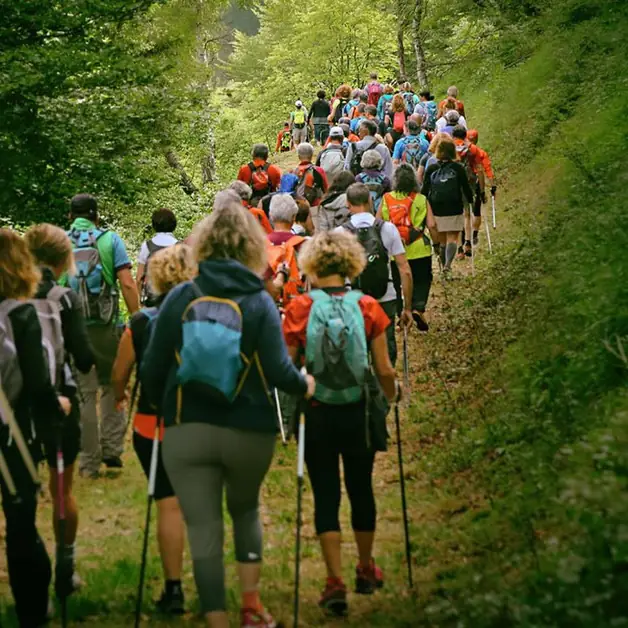
It's worth a visit, and a nice walk along its shores. In many parts, the path is pleasant and smooth, suitable for everyone. But in some spots, watch out for both pedestrians and cyclists. Sometimes, people share the space a bit too casually. It's not a big problem, just keep your eyes open.
I walked part of the loop around the lake, about 17 km in total. It's not a technical route, but it's not flat either. It mixes dirt paths, quiet paved sections, and hill detours. At one point, you leave the shore and find yourself among vineyards and farms. The lake appears in glimpses, never all at once. This constant change in view keeps it interesting, avoiding monotony.
The most surprising part isn't the landscape, but what's underwater.
In the '70s, during some excavations, they found remains of a Bronze Age stilt village. About 5000 poles were stuck in the ground, just a few meters below the lake's surface. It's not a tourist reconstruction but a real site. It helped us understand how a settlement was organized between 1650 and 1350 BC, with homes, enclosures, and links to the mainland.
This discovery led to the lake's inclusion in the UNESCO recognition of Alpine stilt sites in 2011. It changes how you see it: beneath is a documented Bronze Age settlement, with structures, objects, and clear organization. It's not just a lake for swimming; it's a place with tangible, verifiable layers.
If you want to see something concrete, there's the Documentation Center in Viverone and a simple path from Azeglio (Boscarina area) leading to the village zone. Don't expect dramatic scenes or spectacular reconstructions. It's more about understanding than just looking. But it's worth it.
Otherwise, the lake is great for many activities. You can do water sports--sailing, SUP, canoeing--or just take a boat ride to see the landscape from a different angle. Nothing extraordinary, but you can spend half a day without big expectations.
The final feeling is that Viverone doesn't rely on dramatic effects. It doesn't hit you all at once. You get it by returning to different spots at different times of the day. Its small size helps: you quickly find your way, recognize the features, and by the second walk, you know where to go back.