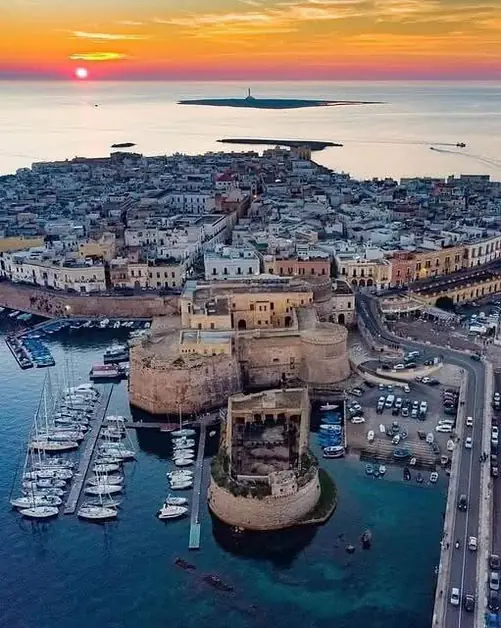
Gallipoli: a historical treasure to discover
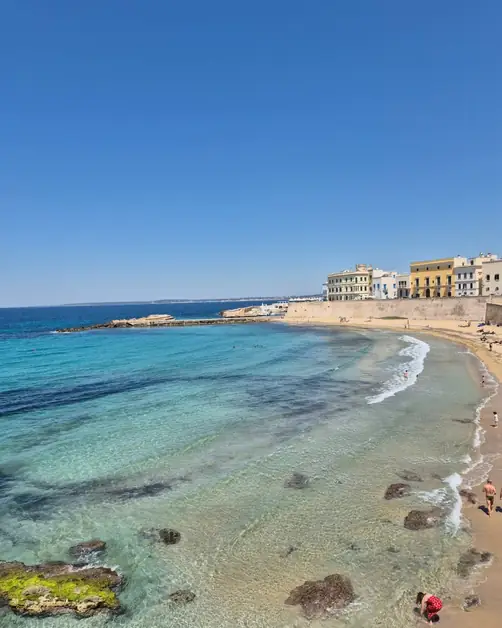
Gallipoli is a historical treasure to discover, with a historic center rich in architectural beauty and unique atmospheres.

I usually go to Gallipoli in the summer, mainly for the sea. But lately, I've been choosing Otranto more often. It's a bit quieter and less chaotic during the busy months. Gallipoli is beautiful in summer, but prices rise a lot, and the historic center gets crowded.
This time was different. I was in Lecce for a conference. I decided to detour and visit Gallipoli in winter. I wanted to see the historic center at a completely different time of year.
Gallipoli is famous for summer, but you truly appreciate the historic center when the crowds vanish. That's exactly how I felt visiting in winter.
The first thing I noticed was the calm. The streets were peaceful, and you could walk without rushing or summer crowds. Even the prices in bars and restaurants were much more affordable compared to the beach season.
Walking through the historic center in winter lets you see the city's details better. Gallipoli is on an island connected to the mainland by a bridge. Its historic center is a maze of alleys, courtyards, and buildings that tell centuries of history.
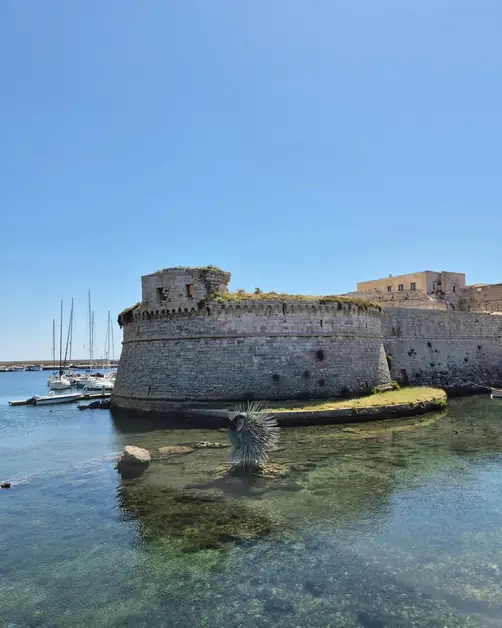
One of the most striking spots is the Angevin Castle, which dominates the entrance to the old city. I only saw and photographed it from the outside. The ticket costs 10 € for adults and 7 € for children. It seemed quite high, especially for families. For comparison, Otranto's castle, which I visited another time, costs 6 € for adults and is free for children. From there, you enter the heart of the village, where it's worth getting lost among the white streets and small squares.
Among the most interesting places to see is the Cathedral of Sant'Agata. It's one of the most important Baroque buildings in Salento. Even without the summer crowds, you can feel its grandeur.
Walking towards the sea, you reach the Riviera. It's the scenic road around the historic center. From here, you can clearly see the city walls and the sea surrounding Gallipoli.
In winter, everything feels slower. Fishermen mend their nets, a few bars stay open, and the few visitors enjoy the sun on clear days. In the alleys, for the first time, I saw small groups of locals chatting in dialect. In summer, it's much harder to notice this. The historic center becomes a melting pot of different accents and languages.
This calmer atmosphere reveals a different side of the city. It's less about the summer nightlife and more about local daily life.
Because of this, after my visit, I realized something. Maybe the best time to see Gallipoli isn't in the peak of summer. May might be ideal. The weather is nice, but the city isn't overrun by tourists yet.
I hope to return soon, maybe for another conference in Lecce. I'd love to see the historic center with that calmness that's hard to find in summer.