Explore the Sasso Barisano of Matera and its history
The Sasso Barisano is a historic neighborhood in Matera, known for its architecture and history. Discover its origin, past functions, and unique characteristics that distinguish it from other districts.
What is the Sasso Barisano in Matera and where is it located in the historic center?
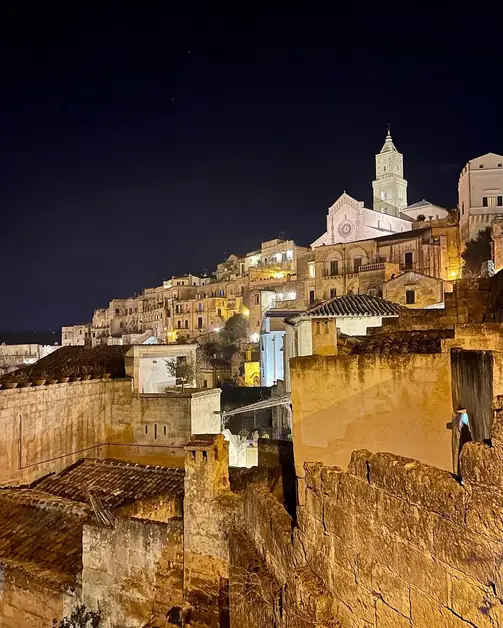
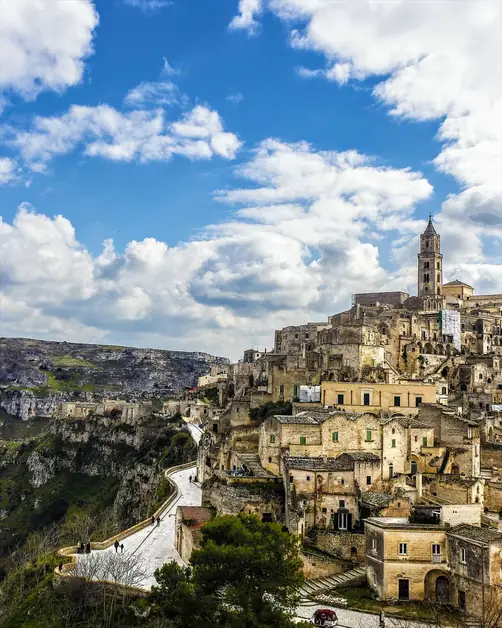
The Sasso Barisano is one of the main areas of the Sassi of Matera, located in the northern part of the valley of the historic center. This neighborhood represents a very large part of the Sassi district and is known for its particular history and architectural development. If you are planning a visit to Matera, knowing where the Sasso Barisano is located will help you better orient yourself and discover this fascinating corner of the city.
What is the origin of the name Sasso Barisano?
The name "Barisano" probably derives from the proximity or historical link with the city of Bari, the capital of Puglia. However, there is also another hypothesis that connects the name to the Roman consul Varisius, a historical figure who may have given the name to the neighborhood. Understanding the origin of the name will allow you to better appreciate the cultural and historical bond between Matera and the other cities in the region.
What were the functions of the Sasso Barisano in past decades?
In the 1950s, the Sasso Barisano was a lively neighborhood of Materan artisans. Many shops and commercial activities were concentrated here, becoming an important hub of exchange with the province of Bari. If you are interested in the social and working history of Matera, visiting the Sasso Barisano will let you discover what daily life was like in those years and the economic importance of this neighborhood.
How have the houses of the Sasso Barisano changed over the centuries?
Originally, as in the nearby Sasso Caveoso, the houses of the Sasso Barisano were carved directly into the limestone rock of the area. Over time, however, these cave houses have been subject to modernization and transformations. Renovations have altered the primitive structure, giving rise to more traditional buildings, with multi-storey palaces and houses built above or outside the rock. This architectural change reflects the evolution of life and the needs of the inhabitants over the centuries.
What architectural features distinguish the Sasso Barisano from the Sasso Caveoso?
While the Sasso Caveoso retains more of the rock-carved houses, the Sasso Barisano features a prevalence of houses built in tuff, with noble palaces and terraces. The houses in Barisano are therefore more "constructed," with larger and more articulated interior spaces, designed to accommodate larger families. Stables and cisterns for water collection are often found on the lower floor or even below street level. This makes the Sasso Barisano a neighborhood with a more elaborate appearance and less "cave-like" compared to the Caveoso.
What materials are used to build the houses in the Sasso Barisano?
The main material used is calcarenite, commonly referred to by Materans as "tuff." This sedimentary rock is present throughout the historic and urban area of Matera. Tuff blocks were easily shaped to build houses, but their porosity also made them more susceptible to humidity. This characteristic played an important role in the history of the neighborhood, influencing the hygienic and sanitary conditions of the inhabitants and contributing to the abandonment of some older areas.
Why were the Sasso Barisano and other districts abandoned in the past?
The humidity present in the houses built with calcarenite, combined with often precarious hygienic and sanitary conditions, drove the inhabitants to leave the Sassi in the past. This phenomenon affected not only the Barisano but also other neighborhoods such as the Sasso Caveoso. The state of degradation of the houses, the difficulty in maintaining healthy living conditions, and the lack of modern services made it necessary to move to newer and more comfortable areas.
What are the most beautiful panoramic points in the Sasso Barisano?
In the northern district of Matera, there are many panoramic points from which to admire spectacular views. From Civita, the highest part of the historic center, to within the Sasso Barisano, unique glimpses can be found to photograph the urban and natural landscape. Walking through the streets and alleys, you can stop at numerous terraces and natural balconies that offer breathtaking views of the Sassi and the surrounding valleys.
How can I explore the Sasso Barisano in depth?
Every day it is possible to participate in guided tours organized in the Sasso Barisano. These tours will allow you to learn about the history, architecture, and curiosities of this particular neighborhood. Expert guides will accompany you through the alleys, historic houses, and panoramic points, telling you stories of life and local traditions. If you love to delve into every detail of the places you visit, a guided tour in the Sasso Barisano is the ideal choice.
What experiences can I have while walking in the northern district of Matera?
Walking in the Sasso Barisano, you can admire noble palaces, tuff houses, terraces, and corners rich in history. The atmosphere is unique: you can feel the passage of time through architectural and social transformations. You will observe how the lives of the inhabitants have evolved, moving from cave houses to larger and more comfortable buildings. Additionally, you can enjoy the stunning panoramas and take memorable photographs.
How does the history of the Sasso Barisano reflect that of Matera and Basilicata?
The Sasso Barisano represents an important piece of the history of Matera and the Basilicata region. Through its houses and streets, one can read the social, economic, and cultural transformations that have marked the city. This neighborhood, with its ancient roots and modern developments, tells the life of its inhabitants, the relationship with the territory, and the influences from nearby Puglia. Visiting the Sasso Barisano means immersing yourself in the deep history of a city unique in the world.
How can you recognize a typical building of the Sasso Barisano?
A typical building of the Sasso Barisano is distinguished by the use of calcarenite or tuff, its multiple floors, and often the presence of terraces. While some houses are still partially carved into the rock, most appear as real constructions, with well-defined facades and spacious interiors. Stables and cisterns are almost always located on the lower floor. This architectural style makes the neighborhood visually different from the nearby Sasso Caveoso, which is more rustic and carved.
What are the main differences between the Sasso Barisano and other historic districts of Matera?
The Sasso Barisano is mainly distinguished by a more "constructed" architecture compared to the Sasso Caveoso, where rock-carved houses prevail. In Barisano, there is indeed a greater presence of palaces and multi-storey houses, with worked stone materials. Additionally, the northern neighborhood has had an important commercial and artisanal function, especially in the twentieth century. These elements make the Sasso Barisano an area with a unique identity and appearance within the Sassi of Matera.