Discover the Arch of Brindisi
The Arch of Via Pompeo Azzolino is a treasure of Brindisi, a witness to maritime stories and a captivating past.
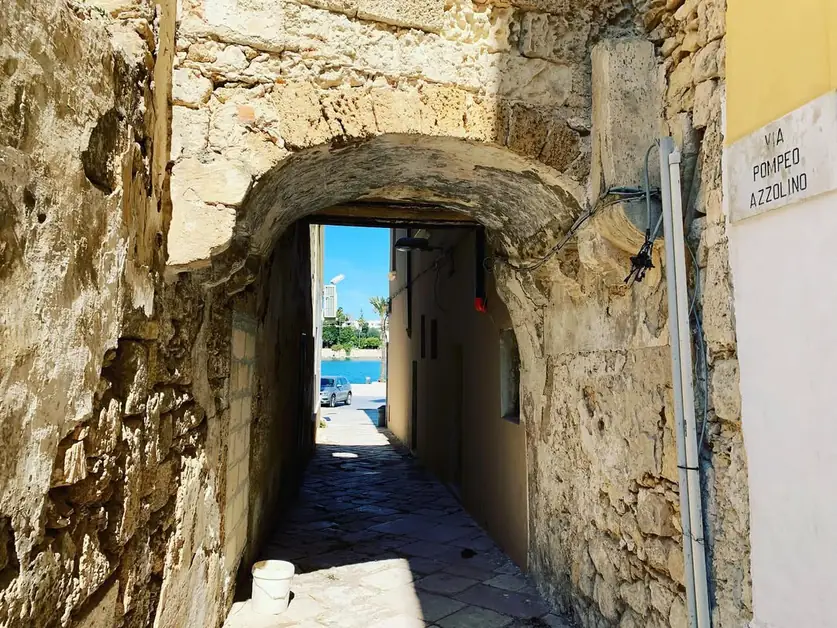
Via Pompeo Azzolino is a must-visit spot in Brindisi. In the evening, people naturally gather there. It's a narrow street with eateries, kiosks, and outdoor tables. You don't really walk through it; you just brush past it. It's part of the nightlife area. The vibe here is informal. You eat finger food standing up. Music plays from every corner. People stroll around leisurely. Small live concerts often happen here. The atmosphere feels light, friendly, like a neighborhood party.
But this lively place has a deeper history. Via Pompeo Azzolino survived the Sciabiche demolitions. It's a short path among old buildings. Here, a five-century-old event changed Brindisi's fate. Pompeo Azzolino saved Brindisi from the Venetians. In 1528, the Venetian fleet besieged Brindisi. General Bartolomeo Marcello led them, aiming to weaken Spanish-Aragonese control in Southern Italy. Pompeo Azzolino, a noble loyal to the Aragonese crown, devised a clever plan. He pretended to desert and infiltrated the enemy camp. He spread false news about incoming Spanish reinforcements by sea. Believing the threat, Marcello ordered a retreat. This saved Brindisi from likely destruction. Azzolino's cunning act earned him honors from Ferdinand the Catholic. An inscription was made in his honor on the arch named after him.
A local hero, whose name many hear but don't connect. Walking under the arch, you feel a shift between past and present: on one side, history; on the other, fried snacks and laughter fill the evening.
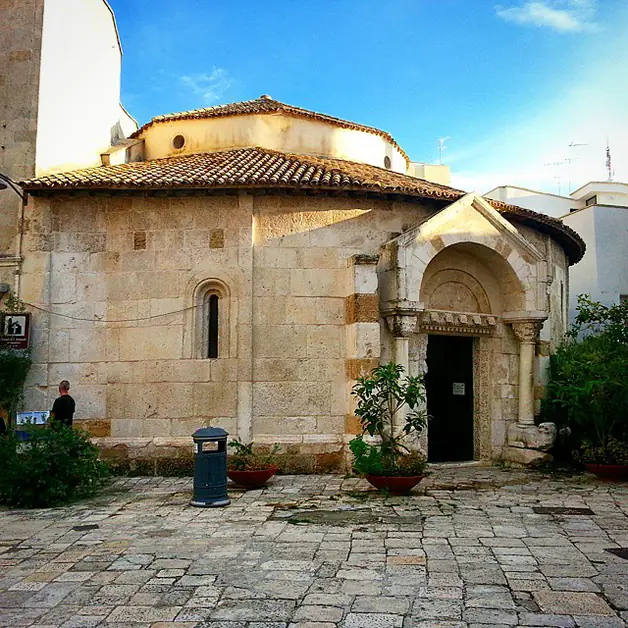
I felt this is a story the city keeps but doesn't fully tell. Just like the temple. Not due to lack of value, but maybe out of habit. Brindisi lives in the present, with its port, sea, and social life. So, the arch stays there, discreet, in the heart of the liveliest area, while people toast, listen to music, and stroll.
This might be the most interesting paradox: a nightlife hotspot that also speaks of sieges, defenses, and city identity. Just look up for a moment before ordering food. Remember, under that stone, it's not just Saturday night crowds passing by, but also a big part of Brindisi's history.