Brindisi: Unforgettable Experiences
Brindisi offers unforgettable experiences for cruisers, including excursions, tastings, and cultural discoveries.
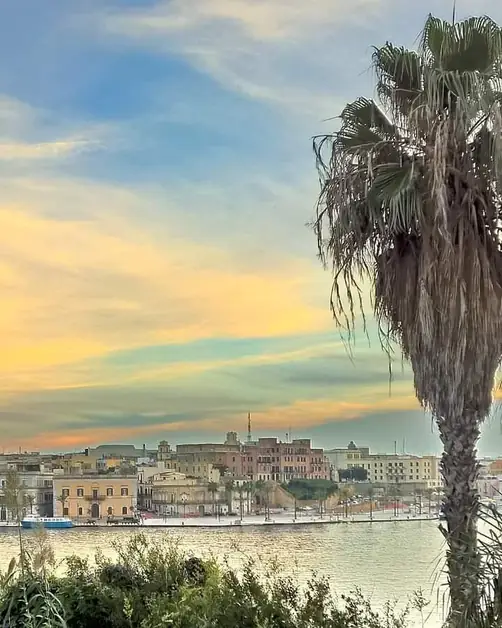
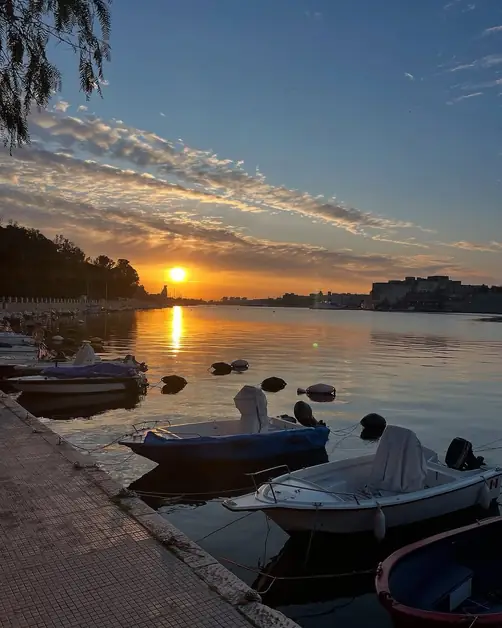
When the ship enters Brindisi's port, the experience varies. Some ships dock in busy areas with wide docks and functional zones. Others arrive in the inner port, and it's impressive. You see water like a big natural lake, the Virgilian Steps, and Roman Columns.
Brindisi has a natural port. It's an inlet that creates a protected inner basin. This means the city isn't separate from the port; it lives around it. If you dock inside, you're practically in the historic heart. Just a few steps and you're on the waterfront, not in some anonymous terminal, but in the city itself.
Cruise stops usually last eight to ten hours. First, check your return time and get a simple sense of distances. Really, the difference between the inner port and outer area is minimal. If you dock inside, you're in the historic center in minutes. Near the waterfront, Virgilian Steps, and Roman Columns. If the ship stays in the busier area, a five-minute shuttle takes you there. These are short trips, so they don't affect your day. You can start exploring almost immediately.
If you stay in the city, the day feels relaxed. The Roman Columns mark the symbolic end of the Appian Way. They can be your starting point to explore. From there, dive into the historic center. Visit the Duomo and the Francesco Ribezzo Archaeological Museum, which has Roman and Messapian artifacts. Then head back to Lungomare Regina Margherita and relax. Enjoy a coffee or a gelato! The gelato is really good, we're talking artisanal stuff. 😎
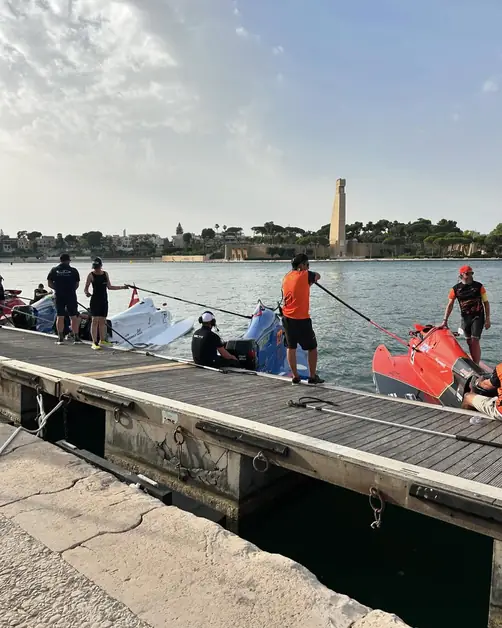
The city is calm, not very big, with a relaxed pace. There isn't a rush for souvenir shops or an endless list of monuments. But there are still great views. From the top of the Virgilian Steps, you can see the inner port, the Sailor's Monument, and the waterfront. In the evening, places often have live music, and the air feels light, almost suspended. It's truly relaxing. Compared to my daily work routine, the difference is clear.
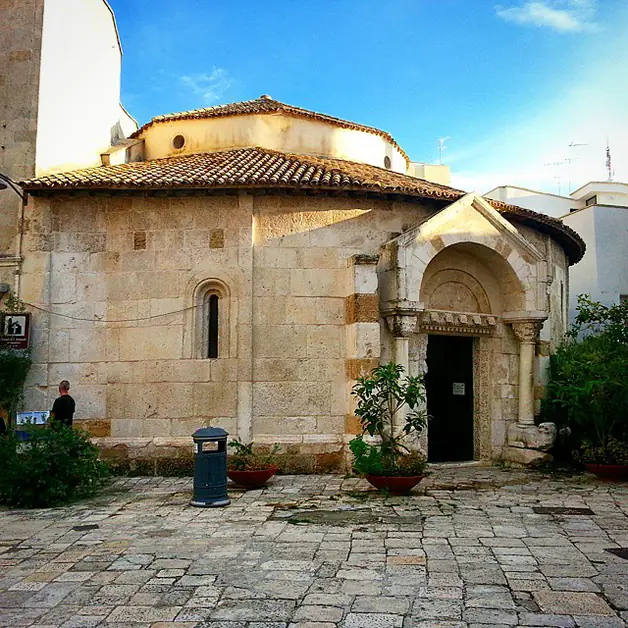
If you want to explore more, visit the Church of Santa Maria del Casale. It's outside the center, near the airport. This detour shows you a different side of the city. It's quieter, with frescoes and silence contrasting the port's activity.
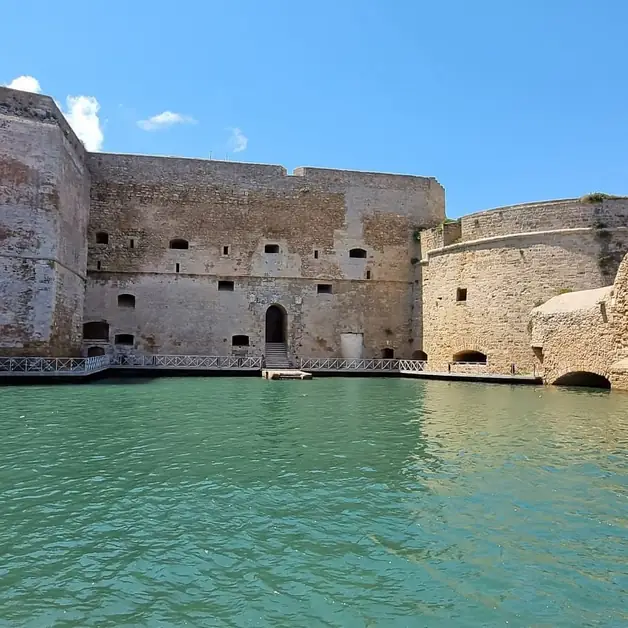
Alternatively, you can take the small ferry across the harbor to Castello Alfonsino. The crossing takes just a few minutes. But it changes your perspective: you see Brindisi from the water. You realize how much the sea is part of its urban structure. Then you find yourself in front of a fortress that tells centuries of defense and trade stories.
Staying in Brindisi means a low-cost day with minimal travel time and no logistical stress. In just a few minutes, you reach your destination without expensive taxis or long transfers. This lets you truly relax, not rush from place to place.
The most popular choice for cruise passengers is to go out. Alberobello and Ostuni are the two most frequent stops. You leave by bus directly from the port and return with a safety margin. Count on at least an hour, an hour and a half each way. Alberobello is full of trulli, those cone-shaped stone houses you know from photos. You walk among them, enter one to see inside, and take the photos everyone takes.
Ostuni is different: white, hilly, with narrow alleys and a cathedral that dominates from above. In a few hours, you get a clear picture of rural Puglia. However, Ostuni is one of the most overtourism-exposed areas in Puglia today. In Ostuni's streets, especially in high season, visitors are evident and sometimes overwhelming.
Don't overlook the bus time and summer crowding. With the heat, Ostuni's hills are noticeable. If the group is large, the schedule is tight. It's an organized experience, not a free one.
On one excursion I joined, the tour was led by Danny Vitale, a local guide from Centro Guide Turistiche Salento. He picked us up directly at the pier and returned us well before the ship's departure, a crucial detail for cruise passengers. The bus wasn't crowded, and the trip passed smoothly through olive groves and vineyards. This agricultural landscape tells Puglia's story better than many words.
In Alberobello, we didn't just photograph the trulli. We visited the inside of a house still inhabited by a local family! The owner welcomed us simply, while the guide explained how this building technique evolved over time. In Ostuni, we had time for both guided explanations and solo walks. We stopped at a small gelateria in a secluded courtyard, away from the main flow. There was also a private demonstration on oil and vinegar production and aging, with a final tasting: optional, no purchase required, but done competently and without pressure.
Then there's Lecce, for those who prefer architecture and cities. The Lecce stone baroque is rich, detailed, and fascinating. Basilica di Santa Croce, Roman amphitheater, squares that suddenly open up. Lecce's center is very elegant and lively. There are many tourists and young people, thanks to the University. Visiting Lecce also requires about an hour by bus, so manage your time well there.