Visit the Forte di Bard and discover its secrets

Visit the Forte di Bard and discover its museums and secrets.
Visit the Forte di Bard and discover its secrets

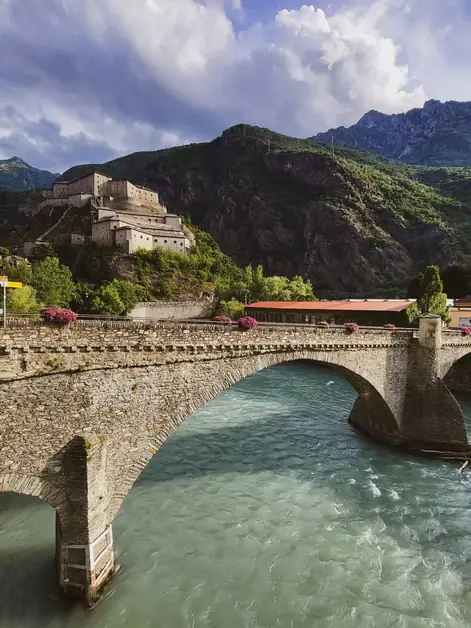
Reaching the Forte di Bard isn't like reaching a castle "on top of a hill." Here, the valley narrows, the road is tight, the Dora Baltea flows below, and the fortress looks like a stone plug where the mountains close in. It's one of those places you understand before entering: its fame comes from its location, not marketing.

The good news is visiting is easy, even if you're short on time. You can drive, take a train, walk through the village, or use panoramic elevators. Plan your visit well (parking and pace), and in 2-3 hours, you'll enjoy views, museums, and a real fortress feel, not just scenery.

Where is the Forte di Bard and why is it famous?

The Forte di Bard is at the entrance of the Aosta Valley, in a strategic spot where the valley narrows like a bottleneck. It was designed to control passage: it's not just "beautiful," it was meant to be impregnable, with overlapping levels and crossfire lines.

The 19th-century complex is organized into three large buildings (at different heights) and feels like a small citadel: corridors, courtyards, staircases, porticoes, terraces. This "stepped" structure makes the visit varied: you alternate between enclosed spaces and panoramic views, museum rooms and parade grounds, without feeling stuck in one building for hours.

If you want to understand the village and surroundings, this guide offers a useful overview: Bard in Valle d'Aosta between history and nature.

How to reach the Forte di Bard by car and where to park stress-free

Driving there is straightforward: you're in the lower valley, follow the SS26 or the A5 highway (exit at Pont-Saint-Martin or Verrès) and in minutes you're beneath the fortress. The real "trick" is choosing the right parking, especially on weekends and event days.

Parking 0 (multi-story, at the fortress's base): it's the most convenient because you're right at the start of the path. The daytime rate is €3.00 from Monday to Friday (8:00-19:30) and €4.00 on Saturdays, Sundays, and holidays (and in August even on weekdays). Evening (19:30-24:30) costs €1.00 and night (24:30-8:00) €1.00.

Parking 1 Liéron: free, along the SS26, about 300 meters from the fortress. It's perfect if you want to save money and don't mind a 5-7 minute walk.

If you're traveling with a stroller or people who prefer to avoid slopes, I'd start from the multi-story: save energy for the internal visit, which still requires some walking.

Arriving by train: the right station and an important note for 2024-2026

If you arrive by train, the station to use is Hône-Bard, about 600 meters from the fortress. It's a convenient distance: basically, you take a short walk and start feeling the place's vibe.

There's a practical detail that's gold for planning: from January 3, 2024, to December 31, 2026, there will be replacement buses due to work on the Ivrea-Aosta line. It doesn't mean "you can't get there," but it means travel times might differ from a standard train journey.

To always check the updated situation (parking, train, shuttles, accessibility), here's the one page that avoids surprises: Useful information about the Forte di Bard.

Going up to the Forte: panoramic elevators or walking through the village

You have two ways to "enter history" here.

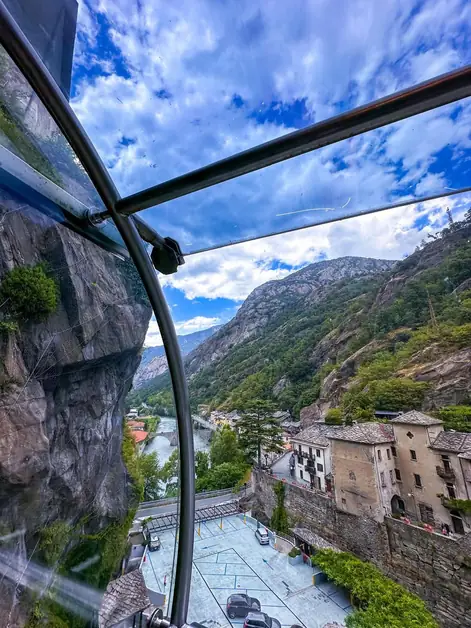
Option 1: inclined panoramic elevatorsFrom the village, you can use the elevators connecting the complex's levels. They're convenient, scenic, and perfect if you want to reach the top without effort. The advantage is clear: enjoy the visit with more energy and minimize slopes.

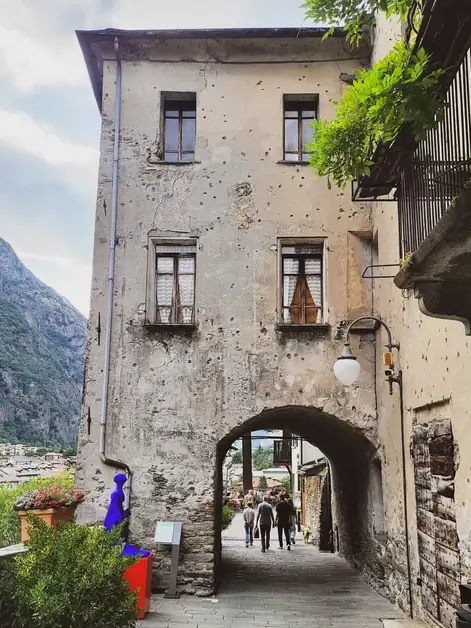
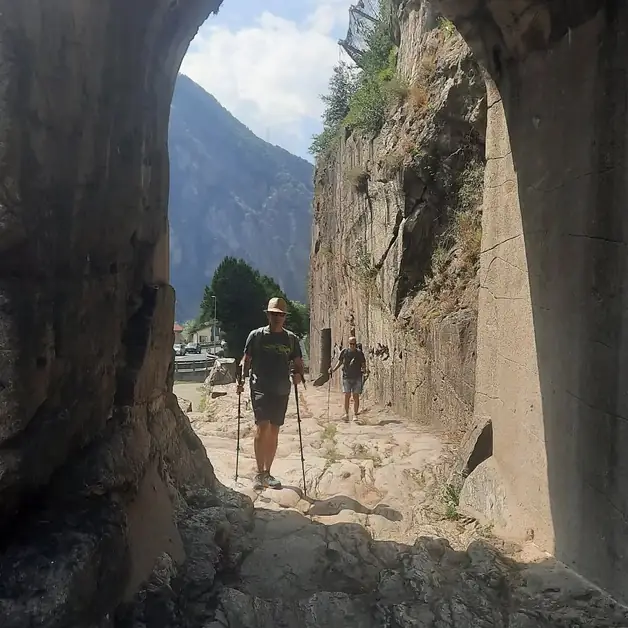
Option 2: walk through the villageIf you have even 20-30 minutes, I recommend walking at least part of the way through the village. The cobblestones, stone houses, portals: the atmosphere changes immediately and "prepares" you for the visit. You don't have to climb all the way up: walk, get familiar with the space, then use the elevators for the final stretch.

If you want to experience it calmly (and know where to stop for the best views), this guide is very focused: Explore the magical village of Bard in Valle d'Aosta.

What to see at the Forte di Bard: museums, prisons, and exhibitions without the "school effect"

The Forte has become a major cultural hub (not just a fortress to photograph). To avoid wandering aimlessly, it's useful to choose what you want to see first: permanent museums + any temporary exhibition.

A balanced itinerary that almost always works is this:

Museo delle Alpi: Want to understand mountains as culture? This museum is engaging and often multimedia. It's great even if you're not a "museum person".

Museo delle Fortificazioni e delle Frontiere: More historical and "military" in a good way. It shows how defenses and borders changed over time.

Le Prigioni: The most physical and immediate part. The cells are tiny: about 1.3 × 2 meters, and there are 24. Even non-museum lovers stop here because the space speaks for itself.

Then there are temporary exhibitions that change often. They're usually the real reason to visit again within the same year.

And yes, there's a pop culture twist: some scenes from "Avengers: Age of Ultron" were filmed here. Don't expect a fixed "Marvel" tour, but it's fun to see the cinematic impact of the fortress. Especially when you look at the entrance and realize how it's already a "set" by itself.

How long to visit Forte di Bard and avoid rushing

The average visit takes 2-3 hours. It depends on how many museum areas you include and if you walk up/down or use elevators.

If you want a relaxed pace without rushing or "skipping everything", here's what I'd do:

0:00-0:30: Arrival, orientation, first views (don't enter museums immediately).

0:30-1:45: One main museum (Museo delle Alpi or Frontiere).

1:45-2:15: Prisons (short but intense).

2:15-3:00: Temporary exhibition + final terraces.

If you want to make it a full day without going far, check this out: What to do after Forte di Bard for a unique experience.

My experience: what I got wrong the first time and what I'd do now

The first time I visited Forte di Bard, I did something that seems trivial but changes everything: I arrived in "efficiency mode". Parking, elevator, entrance. It was a clear morning at the end of the season, cool air (around 10-12°C), and the village was silent, like only mountain towns are before groups arrive. A few footsteps on the cobblestones, a shutter opening, the smell of coffee from a small bar.

I took the elevator right away, without walking through the village. Very convenient, yes. But I realized after half an hour that I was missing something: a "mental map" of the place. I was inside the Forte, among courtyards and passages, but I no longer knew where the village was, where the valley was, or which way to look for orientation. Result: I toured the museums well, but I missed the pleasure of the panoramic terraces because I stopped at the wrong points and moved on too quickly.

What I'd do today is simple: 15 minutes in the village before going up. Even just walking to a viewpoint, looking up, seeing the Forte rise above your head, and understanding the slope. Then elevators and the internal visit. It's a small time investment that prevents you from experiencing the fortress as just a "visitor center" and makes you feel it for what it is: a stone machine built to dominate the passage.

Mistakes to avoid at Forte di Bard

🚫 Arriving late thinking "it's small anyway"The complex is large and multi-leveled: if you enter with little time, you'll end up rushing and miss the views.

🚫 Choosing parking "randomly" on holidaysThe multi-level parking is convenient but can fill up; Liéron (free) is a great alternative if you don't mind walking 300 meters.

🚫 Entering museums immediately without orienting yourselfTake a 10-minute external tour first: courtyards and terraces give you a map of the place, then you enjoy the rooms better.

🚫 Thinking elevators eliminate all walkingThey help a lot, but you still walk inside: wear comfortable shoes with stable soles, no "smooth shoes".

🚫 Skipping the village completelyEven if you just do a short stretch, it gives you atmosphere and context. Without it, you risk experiencing the Forte as "just a museum".

After the visit, if you have half an hour left, the best way to finish is to descend calmly and pass through the village again: the perspective changes and photos turn out better because you're no longer "climbing" with the idea of arriving.

Ready to keep exploring the area without random stops?

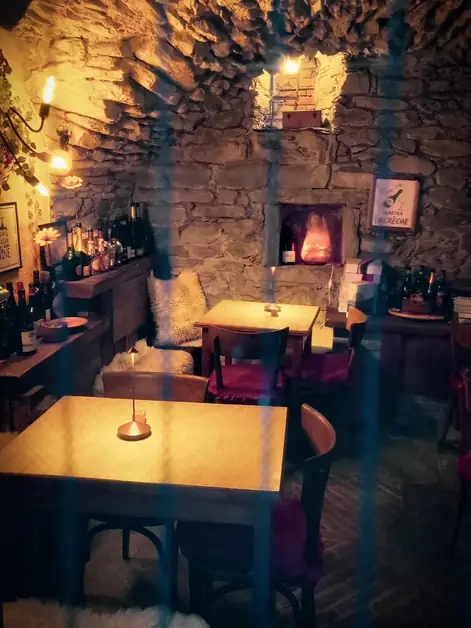
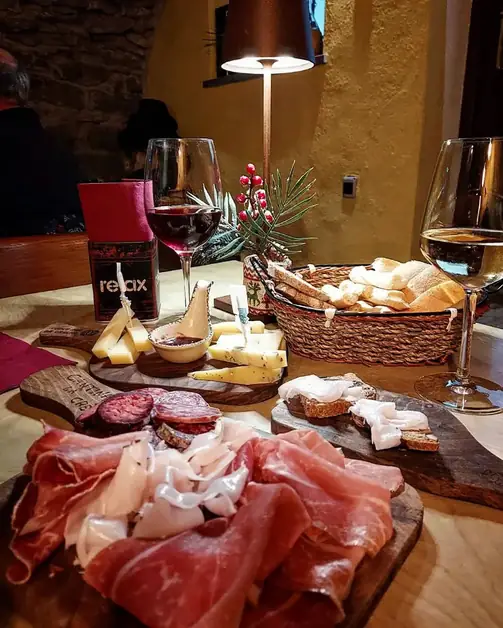
👉 Unforgettable gastronomic experiences in Bard in Valle d'Aosta📸 Explore the bridge of Bard and its fascinating history🗺️ Donnas, the gem of Valle d'Aosta not to miss🏰 Explore the castle of Issogne and its fascinating history

If you're planning the visit on a specific day (weekday or holiday), tell me in the comments what time you plan to arrive: I can suggest the smartest parking and a realistic visit pace.

×