The unique charm of Grazzano Visconti village
Grazzano Visconti village is an architectural utopia that blends history and modernity, created by Duke Giuseppe Visconti di Modrone.
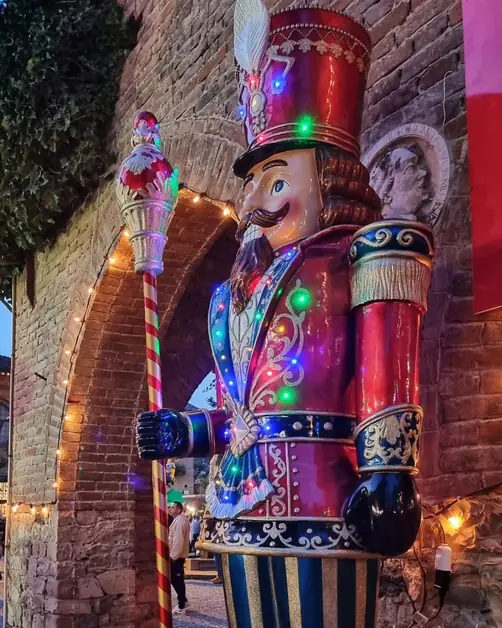
I arrived in Grazzano Visconti not knowing much. I just heard it "looks medieval," but that's it. Spoiler: it's not medieval; it's an early 1900s reconstruction. But the entrance, especially in autumn with leaves and colors, is really charming.
As soon as I entered, I realized something: a map helps a lot. Otherwise, you risk wandering aimlessly. The village seems small but has more corners than you think.
While I was getting lost in alleys and views, I stumbled upon a place worth a special mention: the Emporio Stregato. It's not your usual Harry Potter-themed shop. Here, details are almost obsessively curated. We'll talk more about it later.
How to Get There (Without Stress)
The place is about 15 km from Piacenza. You can easily drive there, or take a bus from Piacenza train station (about half an hour). I chose the car because it's more practical for timing. But the bus is also a good option: Seta buses are easy to catch at Piacenza station.
Since I took the car, let me warn you about parking: the area is small and fills up fast, especially on weekends. It's best to check a complete parking guide before you go, or arrive early in the morning. I had some trouble finding a spot.
The Village: What to Expect
Let's be clear: everything here was created by Duke Giuseppe Visconti di Modrone in the early 1900s. It's not an original medieval center; it's a reproduction. But let's admit it, the charm is all there.
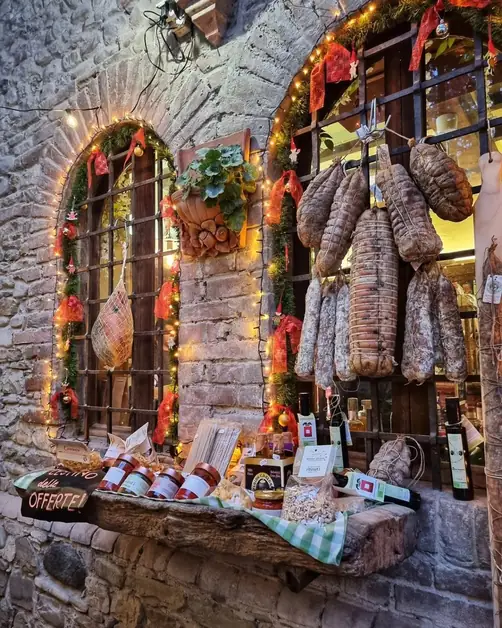
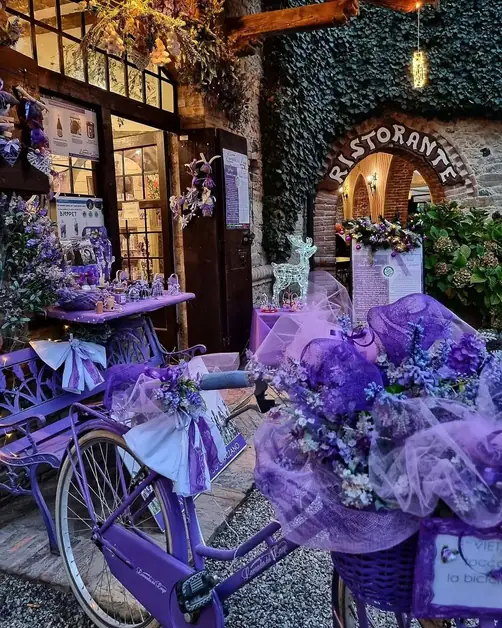
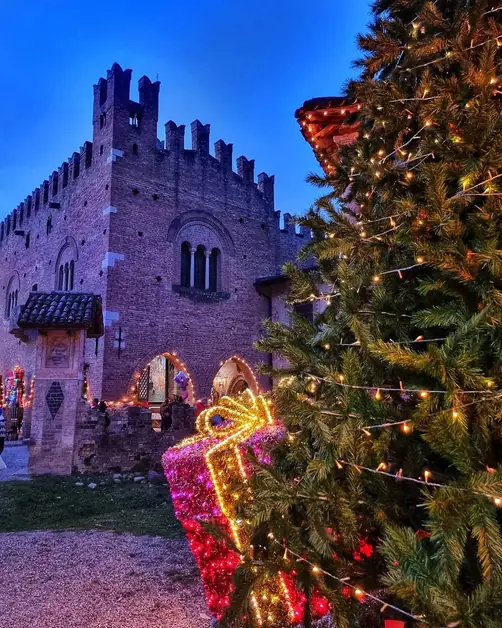
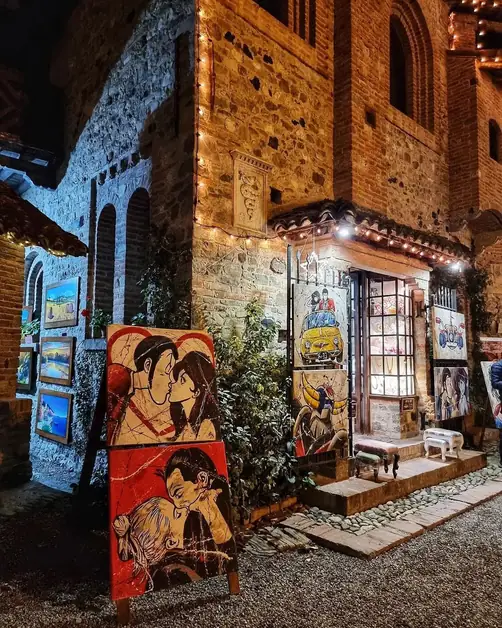
The cobblestone streets, stone buildings, and battlemented towers make you feel like you're on a movie set, and a well-made one. Every building is detailed to perfection. The result? A scenic atmosphere that works, even if it's not "authentic."
And when you want to slow down and breathe outside the alleys, there's a perfect stop: the castle park of Grazzano Visconti. It's great for a break: nature and architecture blend well, and it's really relaxing to take a walk there.
The Artisan Shops (The Real Ones)
Here we reach the heart of the village. The artisan shops aren't just a tourist attraction; they're the real reason to visit.
Master craftsmen in wood and wrought iron work right in front of you. I chatted with one while he forged a sculpture - you can tell he cares about his work.
If you want to see the must-see attractions in Grazzano Visconti in one day, the shops top the list. They're not the usual tourist souvenirs; here you find stuff made with passion and skill.
The Charm of the Castle
The castle is the village's centerpiece. Towers, imposing walls, rooms to explore. The armory room with its collection of ancient armor and swords is impressive.
If you want to know more, there's a full castle tour that tells you everything. Local guides are knowledgeable and share interesting anecdotes. After the tour, the gardens around the castle offer a nice view of the countryside. If you have time, stop to relax a bit.
The Emporio Stregato and Harry Potter Events
For Harry Potter fans, the place hosts themed events that draw people from all over Italy. The Emporio Stregato is practically a must: it's not just a themed shop, it's a work of meticulous detail.
Even if you're not a superfan, it's worth a look to appreciate the care and creativity. During events, the atmosphere is truly magical.
What to Avoid (Classic Mistakes)
Don't underestimate the time needed: you can tour the center in two hours, but if you add museums, the castle, and the park, half a day goes quickly. Better to dedicate a whole day.
Weekend = chaos: On weekends or special events, it gets crowded. Go during the week if you can.
Book for meals: If you want to eat at local restaurants, choose your times wisely on busy days.
Bring a map: It seems simple, but it helps you not miss any main sights.
Where to Eat
Local restaurants serve typical Emilia-Romagna dishes. I tried pisarei e fasö at a local trattoria: excellent.
There are several bars and cafes, but I recommend focusing on restaurants with homemade cooking and typical ingredients. The local meats and cheeses are amazing. If you're not on a strict diet...
I stopped at the first place I found, and the restaurant was full. Still, there are plenty of places with bars, spritz, beer, and restaurants, so you won't go thirsty. If you want to know more about costs and typical dishes to try, you have several options to explore.
Events and Activities
Attending special events makes the visit even more interesting. There are craft workshops, medieval games (perfect if you have kids), and of course, Harry Potter-themed events.
The place offers "tourist spot" services and comforts: bars/tobacco shops, boutiques, various shops. Everything you need to stay comfortable.
Practical Tips
Arrive early: Avoid crowds and have more time.
Bring a good smartphone: Picturesque corners are everywhere.
Wear comfortable shoes: The cobblestone streets are unforgiving.
Chat with locals: They're always willing to give advice.
Final Verdict
Overall, I found it "cute" and more scenic for its atmosphere than for medieval authenticity (which isn't there, but we get it now).
If you're there on a weekend and passing through, it's worth a visit. I wonder what Professor Alessandro Barbero would think, though.
What to See Nearby
Brugnello (about 46 km)A small village perched over the Trebbia River, with a remarkable view and a "suspended place" feel. Ideal for a wilder detour.
Bobbio (about 35 km from Piacenza)A medieval town known as the "Montecassino of the North" for the abbey founded in 614 AD. A top destination if you love history, spirituality, and the Apennine landscapes.
Castle and Center of Vigoleno (about 36 km)One of Italy's most beautiful medieval centers, with a castle and a timeless atmosphere. Great for photos, slow walks, and an aperitif with a view.
Things to See in the Village
Here's a short list of things to see, so you don't miss the main attractions:
The Castle of Grazzano Visconti
The Historical Park
The Torture Museum
The Wax Museum
The historic shops
The Cortevecchia
The statue of Aloisa
The parish church SS. Cosma and Damiano
The Gothic chapel
The Biscione Fountain
The Angel's Column