How the Murazzi of Turin Have Changed
The story of the Murazzi of Turin tells how a structure on the Po River became one of the city's most symbolic places.
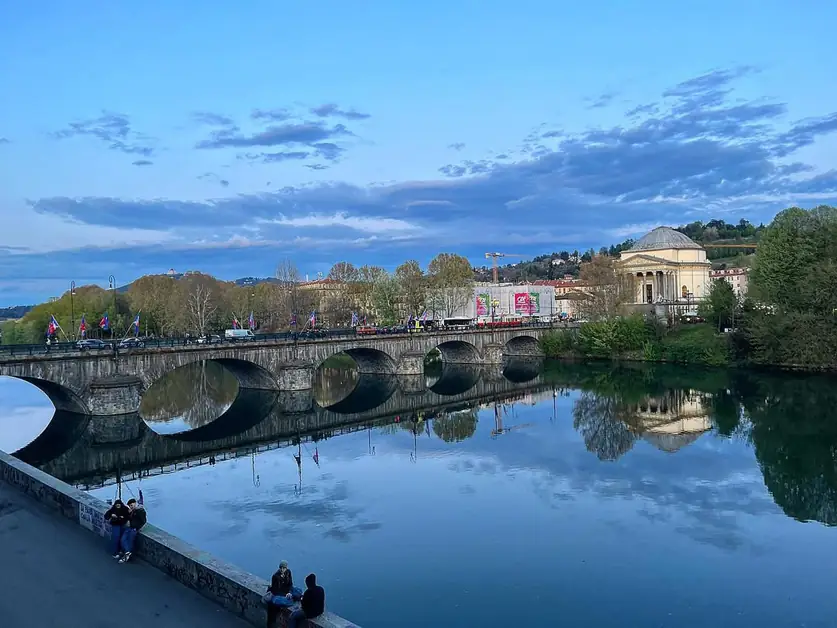
The Murazzi are now a lovely walk along the Po. But for nearly two centuries, they've changed many times. They started as hydraulic engineering works. Then they became a space for river life. Later, they symbolized Turin's nightlife. Recently, they've helped reconnect Turin with its riverfront.
From boat shelters to a symbol of Turin on the Po
To understand the Murazzi, imagine a very different Turin. In the 1800s, the Po wasn't for evening strolls. It was a work area. So, between 1833 and 1835, large arches were built along the river. These protected the city from floods and housed boat shelters, warehouses, and navigation-related activities.
As river activities declined, the Murazzi lost their original purpose. The arches sat unused until the '80s and '90s. Then, a transformation began, changing Turin's relationship with the Po once more.
The old spaces were revamped and hosted bars, pubs, and clubs. Quickly, the Murazzi became a nightlife hotspot in the city. For a whole generation, they were more than just a club area. They were a meeting place for students, artists, musicians, workers, and people from all walks of life. During those years, the Murazzi became part of Turin's collective imagination. They were also linked to musical experiences that later gained national success, like Subsonica.
That era ended in 2012 when most venues closed. For a few years, the area faced uncertainty, waiting for a project to give it a new role in the city.
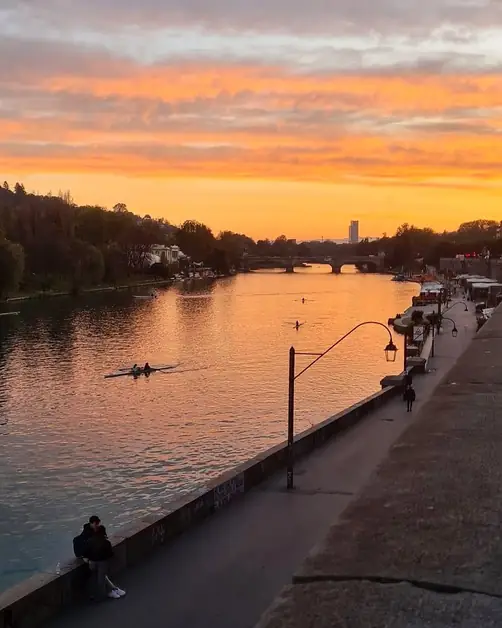
In recent years, the Murazzi have found a different balance. They remain a gathering spot with leisure spaces and venues. But now, they are mainly one of the most popular walks along the PoPo.
Just stop for a few minutes by the river to see the change. The arches face directly onto the water. The outdoor areas of the venues follow the Po's course. Especially on summer evenings, conversations blend with the river's almost imperceptible sound. Looking across to the other bank, between the hill's greenery and the bridges over the Po, the city seems to slow down. Traffic fades into the background, while the river and riverside become the walk's true stars.
In the end, the Murazzi are like Turin: they change over time, reinvent themselves, but keep their identity.