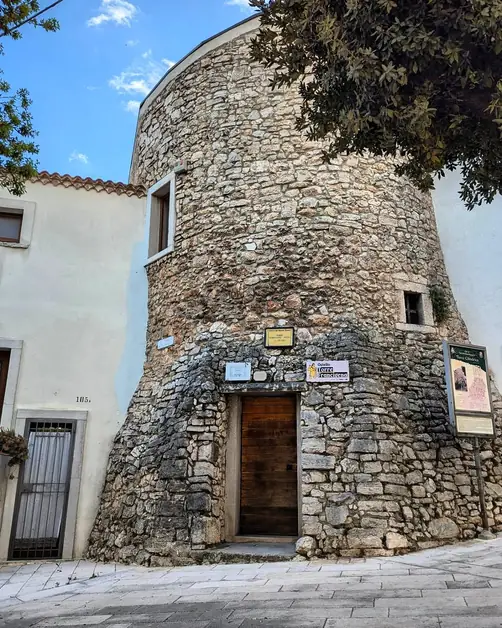
The Church of Santa Maria delle Grazie in San Giovanni Rotondo
The Church of Santa Maria delle Grazie is a place of faith and history in San Giovanni Rotondo.
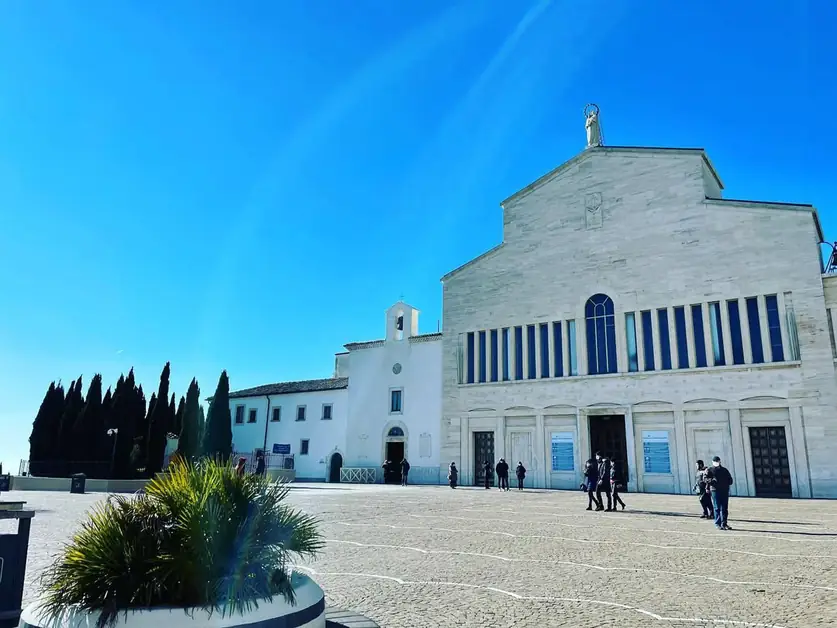
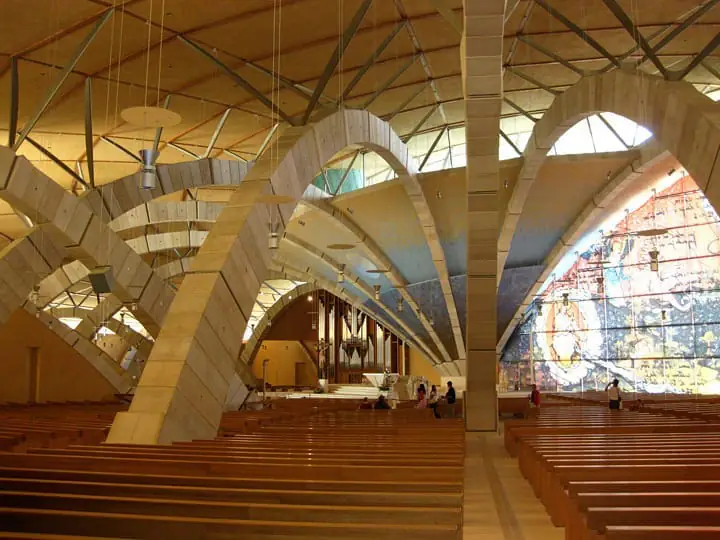
Before the modern church and Renzo Piano's arches, San Giovanni Rotondo's spiritual heart was here. The Church of Santa Maria delle Grazie is where it all began.
I arrived by joining a pilgrimage from Rome. I wasn't just a passing visitor but part of a group. We shared prayer moments and had a set schedule. This made entering the church feel more intense and intimate.
The Capuchin Friars have been here since 1540. A local benefactor, Orazio Antonio Landi, donated a small piece of land for the new order. There's a small cross on the old church's forecourt. It reminds us of those humble beginnings. It's a subtle detail, but it tells a lot.
On July 5, 1676, the church was solemnly consecrated and dedicated to Santa Maria delle Grazie. Since then, it's been the convent's spiritual center.
From the outside, you can sense its simplicity. Above the entrance, in the lunette, is the Madonna with Child, Saint Francis, and Saint Michael the Archangel. Two plaques by the entrance mark important dates for Padre Pio: his fifty years in San Giovanni Rotondo (1916-1966) and fifty years of priesthood (August 10, 1910 - August 10, 1960).
Once inside, the atmosphere changes immediately. It's not monumental but intimate. The walls are filled with ex-votos, photos, and small objects left by the faithful over the decades.
Here, Padre Pio carried out most of his priestly ministry. He celebrated the Eucharist at dawn, administered sacraments, and welcomed people from all over Italy and the world.
On the altar of San Francesco, where he celebrated Mass from 1945 to 1959, you still feel a special intensity. To the left is the confessional, now protected by plexiglass, where Padre Pio confessed women from 1935 until his death. It's a simple, almost bare space, but knowing what happened there, you see it differently.
On the main altar is the miraculous image of the Madonna delle Grazie, the city's protector. It's a focal point for the faithful, often surrounded by people in silence.
Outside, though, the scene changes. Around Padre Pio, a clear industry has developed over the years: religious souvenir shops, stalls, hotels, organized buses. It's a deeply mystical place, but also very commercial. You can sense a real economic system around the devotion.
This might surprise you, especially considering the austere and poor life of the Capuchin friar. There's a clear tension between Franciscan simplicity and the movement of people, objects, offerings, and structures around the Sanctuary.
Yet, re-entering the old church, the noise fades. Here, everything becomes measured, almost silent. Compared to the new church, this space feels more contained, more essential. This simplicity makes the Church of Santa Maria delle Grazie deeply meaningful: not just a historic building, but a tangible space where Padre Pio's presence grew daily.
If you visit the Sanctuary, take your time here. Before the grand contemporary architecture and the constant flow of pilgrims, there's this old church that tells of a faith lived daily.