Explore the Mont Avic Natural Park in Aosta Valley
Mont Avic Natural Park features unique alpine landscapes and crystal-clear lakes.
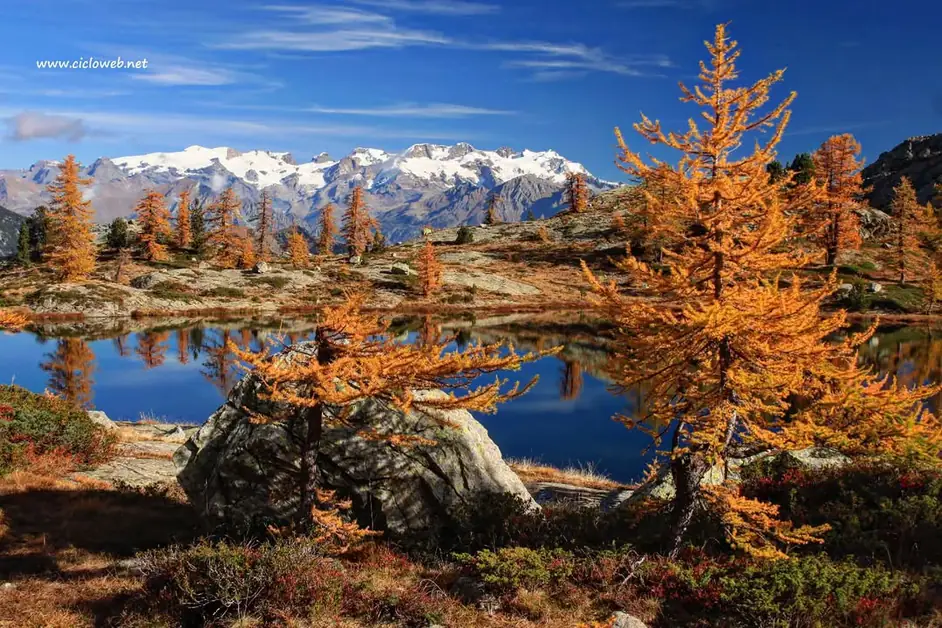
If you are looking for a place in Valle d'Aosta where the mountains don't "show off" but offer silence, the Mont Avic Natural Park is one of them. It doesn't welcome you with facilities and shops. Instead, it greets you with larches, streams, and lakes that seem placed there just to make you slow down. You can visit the park in a day, but it makes you think (in a good way): which trail should I choose? How much water should I bring? How heavy will my backpack feel after 3 hours?
Geographically, we are in the southeastern part of the region, between Champdepraz and Champorcher. As soon as you start on the first paths in the woods, the feeling is clear: here, nature is still the star, not just the background.
Where is the Mont Avic Natural Park and how to get there without stress
The Mont Avic Natural Park is in the southeastern part of Valle d'Aosta, between the towns of Champdepraz and Champorcher. To get there easily, driving is the most convenient option, especially if you want to start early and return at your own pace.
Choosing the right access based on what you want to see really helps:
- Champdepraz side: more direct for some routes to lakes and glacial basins.
- Champorcher side: ideal if you want to aim higher and plan longer hikes with a refuge stop.
If you want to check updated access and directions (without getting lost in old forums and comments), here is the official page: how to reach the Mont Avic Natural Park.
A little tip for a "successful day": if you can, start walking by 9:30 AM. In summer, it makes a difference: cooler air, fewer crowds, and a better chance to see wildlife at the right times.
Why visit the Mont Avic Natural Park
The main reason to visit Mont Avic is its authentic atmosphere. Here, nature still dominates the landscape: larch and stone pine forests, rocks shaped by glaciers, alpine streams, and lakes reflecting the surrounding peaks. It's the perfect place if you want to truly disconnect: not to "do something," but to be in the mountains.
There's also something many notice right away: the park has a more "rugged" character, less tamed. The trails are well-marked, yes, but not always comfortable. And that's a plus: it reminds you that you're in an alpine environment, not a garden.
If you like to build an itinerary in Valle d'Aosta by alternating different protected areas, you might find this insight on the Gran Paradiso National Park between nature and adventure useful: the experience is different, but it fits well into a mini outdoor trip.
What are the main alpine lakes in the Mont Avic Park
The park is famous for its alpine lakes: not just because there are many, but because they change appearance depending on the light, wind, and time of day. If you plan according to "available time," you choose better and enjoy more.
Here are the ones most often chosen by hikers:
Lago Muffé
It's one of the most well-known and (generally) most accessible lakes. Great if you want a scenic walk without "cooking" your legs. It's also a sensible choice with kids, as it gives you that "alpine lake" satisfaction without needing to plan an endless day.
Lago Bianco and Lago Nero
Two nearby lakes, often paired in the same hike. The beauty here is the variety: stretches in the woods, panoramic openings, and water that shifts from clear to dark depending on the bottom and weather.
Gran Lago
Many describe it as the "reward": higher, more time-consuming, but memorable. The trail isn't necessarily technical, but it's long: if you start late or underestimate the pace, you risk arriving "with your head down" instead of with open eyes.
Lago Cornuto and Lago Vallette
Smaller but perfect if you love long breaks: these are the places where you naturally sit, pull out a sandwich, and stay ten minutes longer than planned.
If you like the idea of adding another "postcard-worthy" lake from Valle d'Aosta to your trip, you'll find useful tips in Lago della Barma and refuge: a natural paradise.
How many trails are there and where do the main routes start
Mont Avic has a wide and well-marked network of trails, with routes ranging from a walk in the woods to a long day with elevation gain. The right choice depends on three simple (but crucial) factors: time, fitness level, weather.
The two most well-known starting points are:
- Champorcher (Château hamlet): convenient for exploring the upper part and setting panoramic routes.
- Champdepraz: great access for routes to lakes and more "glacial" areas.
If you're unsure about signs (numbers, directions, times), save this guide on trail numbering in Valle d'Aosta. It helps avoid that crossroads anxiety when you're unsure if you're going "toward the lake" or "toward an endless afternoon".
A typical day (repeatable) to enjoy lakes without exhausting your legs
This setup often works, especially if you want a full day without overdoing it:
- 08:30-09:00: Arrive and pack your bag (10 real minutes: water, shell, snacks handy).
- 09:00-11:00: Walk at a "conversation" pace (starting slow saves the day).
- 11:00: Short break (10-15 minutes) before real hunger hits.
- 12:30-13:30: Long break by a lake or near a refuge (this is where you truly enjoy the park).
- 14:00: Return steadily, without "shutting down" (the last hour is when you trip most easily).
If you want a gentler alternative (woods + views, without feeling rushed), check out Pian Coumarial: the natural paradise in Valle d'Aosta.
Which refuges are in the Mont Avic Park
Two refuges are particularly popular and useful for smart stops:
Rifugio Barbustel
It's a classic stop if you want to break up the hike and make it a more relaxed day, with a hot meal and a real break. It's loved by those touring multiple lakes.
Rifugio Dondena
It's a crucial base for the Champorcher area: convenient, scenic, and perfect if you want to start early and plan long hikes. If you need official info (contacts and details), find it here: Rifugio Dondena: official information.
Practical tip: if you know you'll stop, consider bringing something salty even if you plan to eat at the refuge. In the mountains, appetite isn't linear: it comes in waves, and when it hits, it's best to be ready.
Best time to visit the park, wildlife, and kids
Generally, the best time is from June to October, when trails are more accessible and snow doesn't block high passes. In spring and fall, colors can be incredible, but more caution is needed: shorter days, damp sections, and temperatures drop quickly after 4 PM.
Wildlife is abundant: ibex, chamois, marmots, and birds of prey. To increase your chances of spotting them, the best times are often early morning and late afternoon, when there's less trail activity.
With kids? Yes, but wisely:
- Choose a short, scenic route (better a lake reachable "at ease" than a long trek dragging feet),
- Bring a "reward" snack and a jacket even if it's 28°C in the valley,
- Remember that some sections can be uneven.
If you want an "easier" but super educational experience for both kids and adults, the Introd Wildlife Park is perfect.
Mistakes to avoid
🚫 Starting late thinking "it's just a park, I'll return whenever"
In the afternoon, weather can change, and times stretch. If possible, start your day in the morning.
🚫 Underestimating elevation gain
Even non-technical trails, if long, become tiring. The secret is a steady pace and short but frequent breaks.
🚫 Wrong shoes
Rocky areas and damp sections near lakes need a good grip. Smooth sneakers are a trap.
🚫 Only sweet snacks
After hours of walking, your body craves salts: better to alternate sweet and salty (bread, cheese, salted nuts).
🚫 Ignoring signs
A wrong turn here isn't "two minutes": it often becomes half an hour. Stop and check before stubbornly continuing.
👉 Want to plan a mini outdoor trip in Valle d'Aosta? Here are some stops that fit well with Mont Avic (without repeating too similar experiences):
👉 Unmissable free experiences in the Gran Paradiso National Park
🏞️ Pian Coumarial: the natural paradise in Valle d'Aosta
🥾 Lago della Barma and refuge: a natural paradise
🗺️ Explore the visitor center of the Mont Mars reserve