Discover the Temple of Brindisi
Discover the Temple of San Giovanni al Sepolcro, a fascinating and mysterious place in the heart of Brindisi.
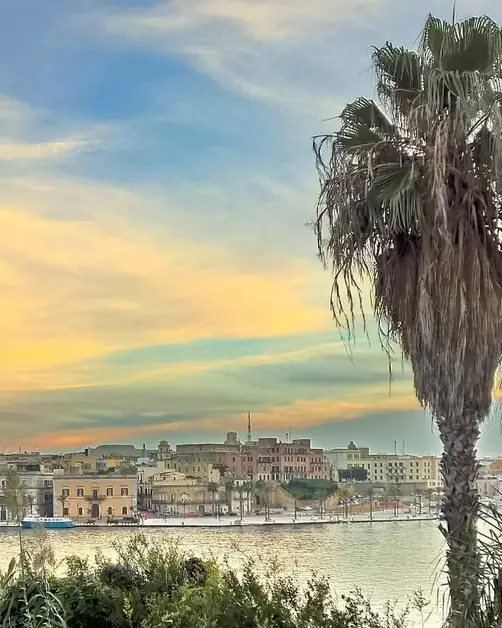
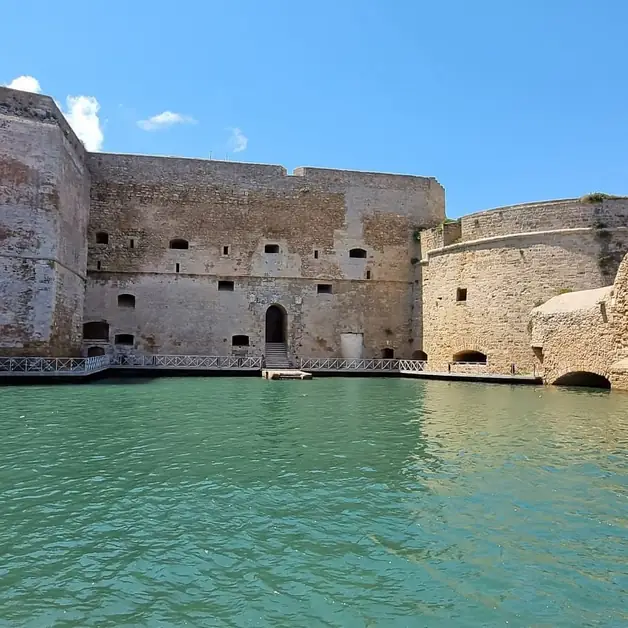
After enjoying Brindisi's sea, walks on the promenade, and evenings by the port, I decided to explore its historical side. Brindisi isn't just about urban beaches and nightlife. Just steps from the center, you'll find places rich with history, pilgrimages, and Eastern exchanges. The Temple of San Giovanni al Sepolcro is one such place. From the outside, it seems modest, almost discreet. But inside, it holds a much larger story than you'd expect. I felt like the city doesn't always fully appreciate treasures like this. It's as if it's partly unaware of their historical importance. Yet, just crossing the threshold reveals their central role in Mediterranean history.
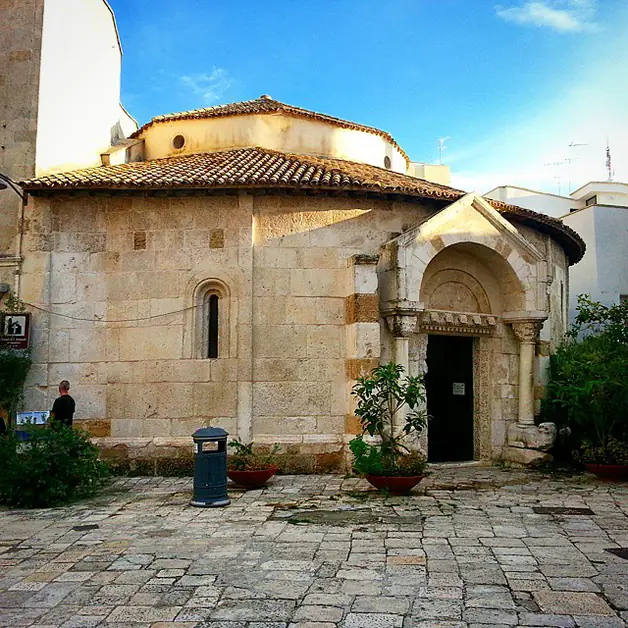
As you enter, you immediately sense this place's origins. It was built when Brindisi was deeply connected to the Holy Land and the Crusades. The church was constructed by the Canons Regular of the Holy Sepulchre before 1128. That's the date of the first document mentioning it. It was meant to symbolically evoke Jerusalem. Over time, it passed to the Knights of St. John of Jerusalem, later the Order of Malta, and then to the Archbishop's Table. This followed the city's religious and political changes. After complex centuries and a long period of neglect, the city bought and restored it in the 1800s. They restored its dignity and turned it into a Civic Museum, thanks to Don Pasquale Camassa, a great historian of Brindisi.
The building is designed as a replica of Jerusalem's Rotunda of the Holy Sepulchre. In the Middle Ages, it was considered the "navel of the world." For those who couldn't reach the Holy Land, it offered a symbolic pilgrimage.
As you approach the portal and enter, the space's shape strikes you first. The layout is circular, and the central ring, made of eight columns, creates a dramatic effect. The arches connect the inner structures to those in the perimeter walls. Looking closely, you'll see the columns aren't all the same. They have different materials, proportions, and capitals from various eras, showing reuse and layers over time. The current roof comes from 19th-century restorations because the original didn't survive.
When you look at the walls, frescoes from the 13th and 14th centuries appear. Some are clear, others are fragmented, but all reflect Byzantine tradition and the Crusades. Between the paintings, you can spot graffiti from pilgrims and knights who passed through, creating a silent dialogue with today's visitors. Just below the floor, through a fenced circular opening, you glimpse older remains. Nearby, Roman mosaics from an imperial-era house (1st-2nd century AD) emerge, showing an even older history.
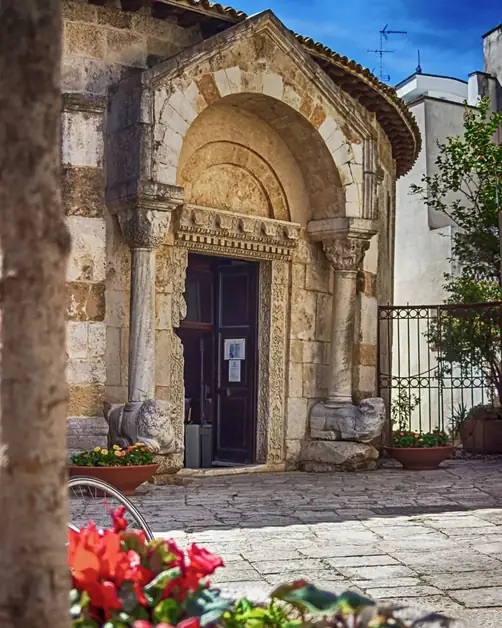
Heading back to the entrance, take a close look at the portals. The main one is framed by stylized lions and carvings of plants, human figures, and animals with symbolic meanings. This language was clear and rich in references for medieval people. The smaller portal along the building's axis has oriental-style details. A third entrance, now sealed, once opened to the garden behind.
The visit costs 3 euros and includes the small outside garden. The main portal stands out for its detailed bas-reliefs. Inside, the wall paintings are partly fragmented and partly lost, showing the building's historical phases and changes. In the church's center, a fenced circular opening lets you see a lower level with some archaeological finds, not open to the public. Along the way, various descriptive panels help you understand the monument's structure, symbols, and layers. The garden, though small, is full of blooms and fruit trees, especially citrus. It's set in a modern urban context, surrounded by buildings that define its current frame, perhaps a bit too present and visually intrusive for the place's intimate feel.