Castellana Grotte: An Affordable Choice for Visiting Puglia
Sea and villages within easy reach, choosing what to visit each day and finding peace and quiet at affordable prices
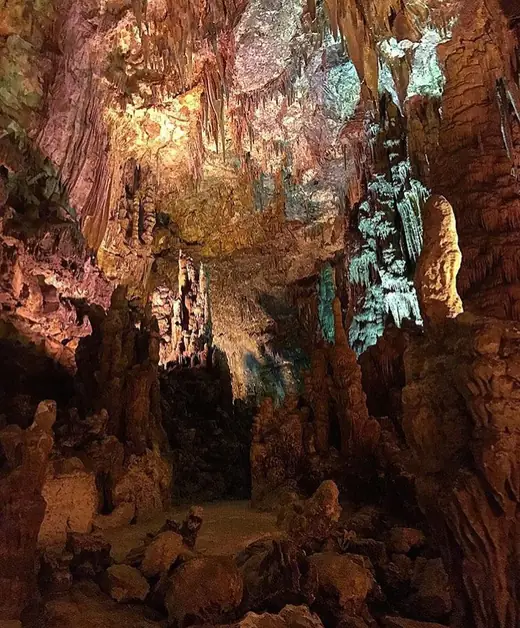
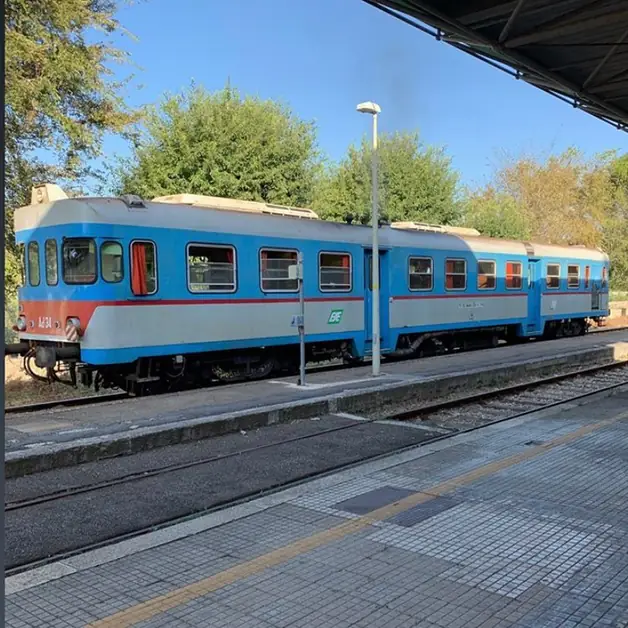
The first time I went to Castellana Grotte, I was just looking for a place to sleep before visiting the caves the next day. But I ended up staying three nights. Castellana Grotte is the perfect base for exploring nearby Puglia towns and staying on a budget, even in high season. You really need a car to get around because public transport is scarce and infrequent.
A strategic spot between Valle d'Itria, Murgia, and the sea.
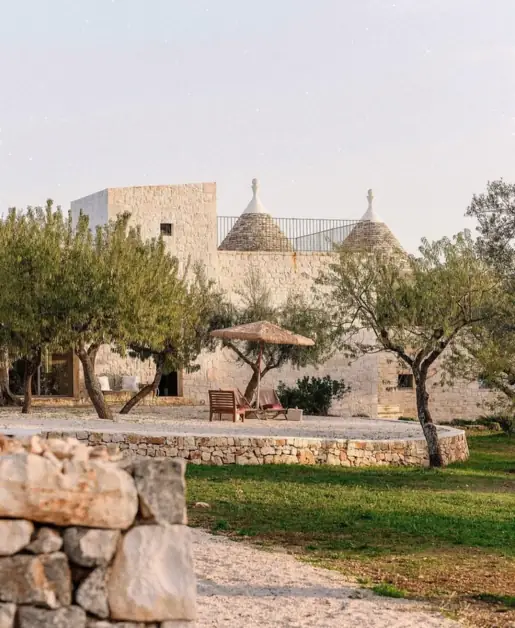
On one side, you have the Valle d'Itria with its iconic trulli, those cone-shaped stone buildings dotting the countryside. On the other side, the Murgia stretches towards Gioia del Colle. It's full of rocky, arid landscapes, with farmhouses and ravines, great for hiking. Just 15 kilometers away, the Adriatic coast offers a mix of inland visits and relaxing beach days or seaside strolls.
Nearby, there are charming towns like Conversano, Noci, and Putignano. Their historic centers feature beautiful Puglian Romanesque churches. But above all, there's Alberobello, the trulli town, where these stone structures fill every corner. And don't miss Locorotondo, known for its unique pointed roofs and panoramic terraces overlooking the Valle d'Itria.
If you want some beach time, head to Polignano a Mare (15 km), Monopoli (16 km), and Mola di Bari (25 km). You can return in the evening to a quieter spot than the main coastal tourist centers.
For me, it was great to spend the morning at the beach in Lama Monachile in Polignano, and stroll through Locorotondo in the evening. In just a few hours, I went from the coast to the Valle d'Itria, experiencing completely different landscapes and vibes. It almost felt like two vacations in one.
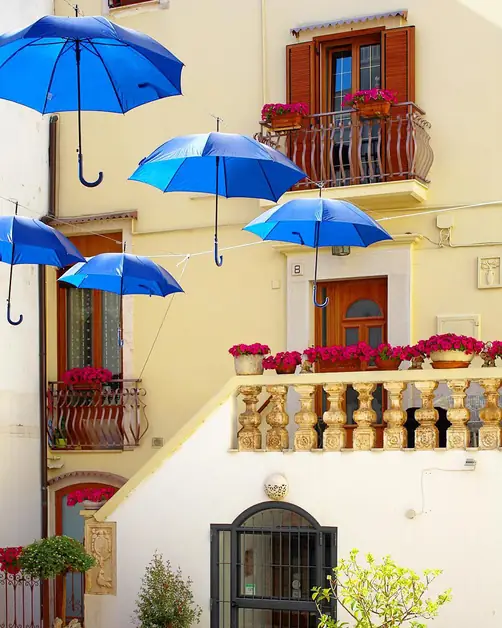
If you pass through Castellana Grotte, don't just stay to visit the surroundings. Spend some time in its historic center, where cobblestone alleys wind between churches, old palaces, and small squares.
I entered the former convent of San Francesco - now the Town Hall - and was struck by the contrast between the ancient walls and modern offices. Nearby is the church of San Leone Magno, the historical core around which the town's entire urban layout was born. This structure is a unique medieval gem, blending the military architecture of the ancient Norman defense tower with sacred art. Inside, it still preserves ancient frescoes from the 1400s.
But the most unique is the church of San Francesco d'Assisi (1600s): its stone facade hides an earlier 14th-century chapel. The two structures harmonize without blending, creating an interesting dialogue between eras. Inside, you can admire altars made from painted local stone, a unique feature of Apulian sacred art. They are crafted using the plasticity of the local limestone, which is soft when extracted and hardens over time: the stone (leccese or carparo) was carved like wood and then painted.
The visit can continue at the table to discover the flavor of impanata - a symbolic dish of Castellana tradition - made with mashed dried fava beans, chicory, and stale bread soaked in cooking juices.
It's a humble dish from peasant cuisine, now mainly prepared at home or during local festivals. You won't find it as a single dish on restaurant menus, but it's included in the house appetizer.
I tried it at Casalicchio, a restaurant in the heart of the historic center, where it's served with a rich selection of 10 traditional tastings (bread meatballs, gratin vegetables, local cheeses, and seasonal specialties) for 15 euros per person.
In the end, Castellana Grotte showed me a different way to experience Puglia. Staying in a less touristy center lets you spend less even in high season and, at the same time, slow down, returning in the evening to a quieter town after a day spent between the sea and villages. Puglia can be less expensive than you think, without missing the chance to discover a new corner every day.