Complete guide to the Cortina 2026 Winter Olympics
Find out everything about the Cortina 2026 Winter Olympics, from events to accommodations.
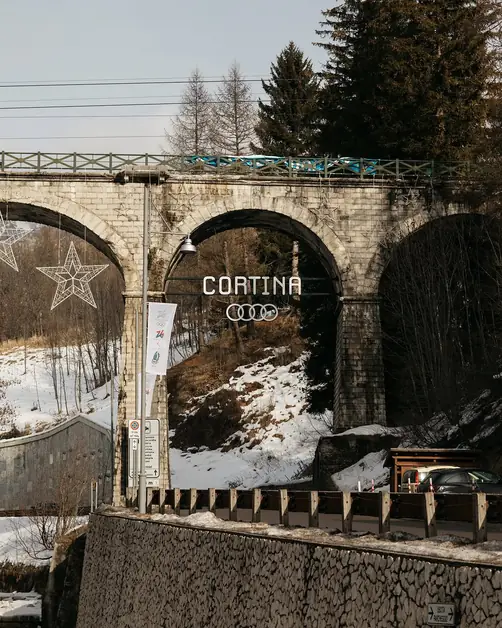
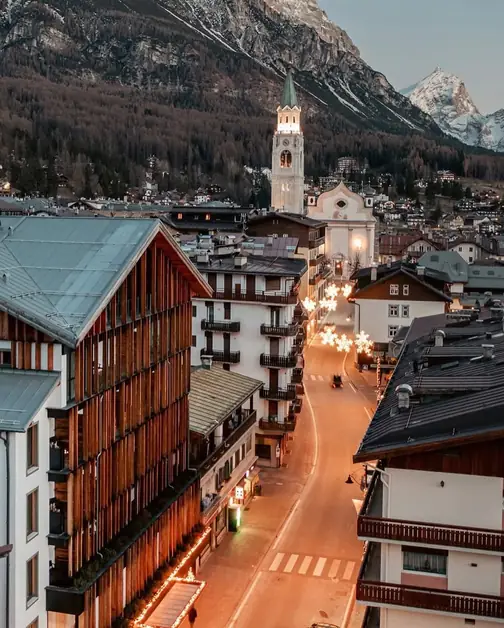
If you're planning to go to Cortina d'Ampezzo for the Milano Cortina 2026 Winter Olympics, this guide gives you essential info. It focuses on Cortina as the main venue for alpine and ice sports.
The competitions will take place from February 4 to 22, 2026, spanning almost three weeks of events.The Opening Ceremony is scheduled for February 6 in Milan, at San Siro Stadium. The Closing Ceremony will be on February 22 at the stunning Arena di Verona.
This is a "widespread" Olympics, involving multiple areas in Northern Italy: Lombardy, Veneto, and Trentino-Alto Adige. Venues are spread over a large area, but Cortina d'Ampezzo remains the symbolic heart of the mountain Games and a natural reference for the Dolomites.
A significant part of the sports program will be in Cortina d'Ampezzo, playing a key role in the Games. The Ampezzo area will host all women's alpine skiing events - downhill, Super-G, giant slalom, and combined - on the Tofane slopes, one of the most iconic and technical Dolomites' sides, already a World Cup venue.
The curling tournament will also take place in Cortina, at the historic Olympic Ice Stadium, a venue deeply tied to the city's sports tradition and a key site in the 1956 Olympics.
Finally, Cortina will be the hub for fast sledding disciplines, with bobsleigh, skeleton, and luge competitions at the Cortina Sliding Centre, one of the most crucial and strategic facilities of the entire Olympic event.
Thus, Cortina is not just another venue, but the alpine center of Milano-Cortina 2026. It hosts high-speed sports, technical disciplines, and holds symbolic value linked to Olympic history and the Dolomite landscape.
How to get to Cortina
There's no direct train to Cortina, but for the Olympics, connections are improved. You can get there easily without a car. The most convenient airport is Venice Marco Polo, about 150 km away. From there, dedicated buses and enhanced Dolomitibus services go to Cortina, plus private transfers (though they're not necessary).
If you choose the train, use the Cortina 2026 LinkCortina 2026 Link by Trenitalia.
You can reach Cortina d'Ampezzo by combining Regional train and bus. The trip involves arriving by train at Ponte nelle Alpi, then continuing by bus to Cortina.
The integrated train + bus ticket can be purchased in one go through official channels, selecting "Cortina 2026" as the origin or destination. The connection is in collaboration with Dolomitibus and has limited seats, so it's strongly recommended to buy tickets well in advance.
Ponte nelle Alpi: departure from the station's external square
Cortina d'Ampezzo: arrival and departure at Cortina Sud - spectator bus terminal
From the Cortina terminal, you can walk to the Olympic Stadium and Sliding Centre, or use the Dolomitibus shuttle service dedicated to spectators attending ski events.
The train + bus connection to "Cortina 2026" is designed exclusively for spectators of the Milan Cortina 2026 Olympic and Paralympic competitions. So, use this option only if you have a valid ticket for a Cortina event.
Specifically, access to the cable car or shuttle service for the alpine skiing venue is allowed only for alpine skiing ticket holders.
For Milan Cortina 2026, Regionale has boosted train services to the Belluno area, the main gateway to Cortina d'Ampezzo. Daily connections are available:
from Venice between 3:43 AM and 12:20 AM
from Padua between 4:07 AM and 12:34 AM
There are also more trips on the Treviso - Montebelluna and Belluno - Calalzo lines, improving overall area accessibility.
Driving is less practical now: traffic, limited parking, and temporary ZTLs due to the games mean you might waste time driving. The city and organizers recommend using Olympic shuttles, dedicated buses, and enhanced public transport. Access to central areas will be controlled with passes and checks. To plan your trips with official shuttles, start at the Olympic Committee site, which has a mobility section.
Where to StayIn Cortina and nearby areas (Dobbiaco, San Candido, Auronzo), availability is low and prices are high. Many hotels/chalets have been booked for months. Prices have skyrocketed: a mid-high range hotel in Cortina can cost 500-1,000+ euros per night. Luxury options can reach 2,000-2,600 euros during peak dates like alpine finals. This has been predictable for over a year, with demand soaring since late 2024.
What would I do? I'd avoid spending a fortune in central Cortina. Instead, I'd choose a nearby village like Dobbiaco (about 30 km northeast). There, you can find hotels or B&Bs for 140-220 euros per night with Dolomites views. It's a perfect base: Olympic shuttles leave every 15-30 minutes for Cortina South, then direct shuttles to Tofane slopes, the Ice Stadium, or the Sliding Centre. The trip takes 40-50 minutes, but with schedules aligned to events, you won't miss anything--and you'll save a lot. Similar alternatives: San Vito di Cadore (closer, 11 km, 15-20 minutes) or Auronzo (a bit farther but cheaper).
Getting Around During the GamesAvoid driving in the center: active ZTLs, checks, and limited traffic. Buses and shuttles for spectators are the best choice.
Tickets and PricesTo watch the events, buy tickets at tickets.milanocortina2026.org. Prices vary by sport, session, and category:
General: from €30 (e.g., preliminary hockey or some phases) to over €1,000 for top finals.
More than 20% are under €40, over 50% are under €100.For Cortina-specific:
Alpine skiing (Tofane): €100-€220 per session (medal events cost more).
Curling: €40-€150 (€50 for eliminations, €70-€100 for finals).
Bobsleigh/skeleton/luge: €50-€100+ (recent special offers from €50 for some sessions).