Alberobello and Trulli Tales
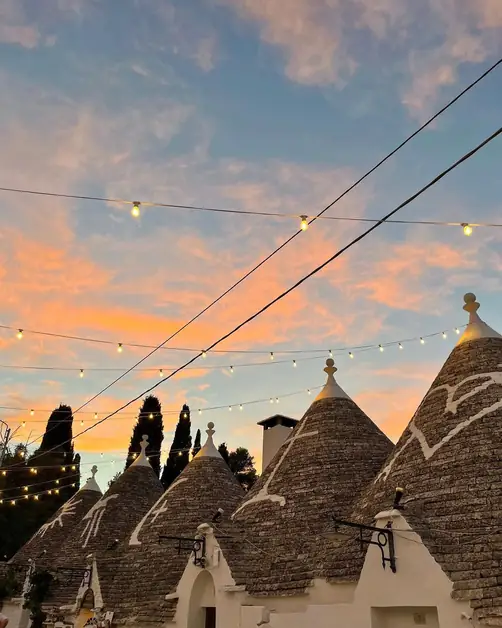
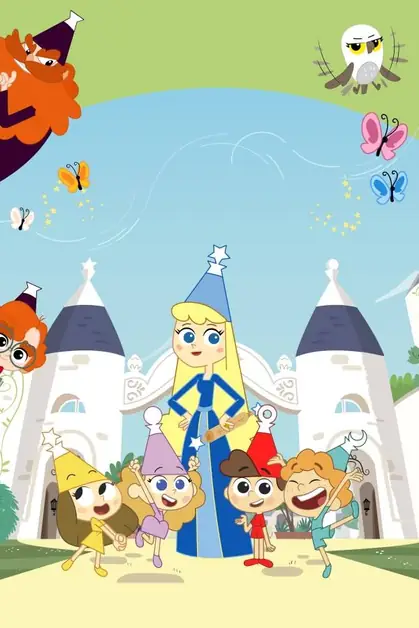
Alberobello, famous for its trulli, inspired the cartoon "Trulli Tales." The series combines cooking and magic, making the village a fairy-tale place.
We arrived in Alberobello with our kids on a sunny day. I was particularly happy. When I travel in Puglia, I always get excited about the local food. I was already thinking about handmade orecchiette, maybe with turnip tops, or a simple dish like fava beans and chicory.
But my kids had a different priority. For them, Alberobello meant Trulli Tales. They had seen the cartoon and wanted to see if those trulli really existed.
At first, it seemed almost funny. I was thinking about the food tradition, and they were thinking about the cartoon's magic chefs. But after talking to people, I realized they weren't the only ones. Many foreign tourists were there for the same reason.
Many families come to Alberobello because their kids know the place from the cartoon. For them, the trulli aren't just historical or architectural treasures. They're the homes of the series' characters.
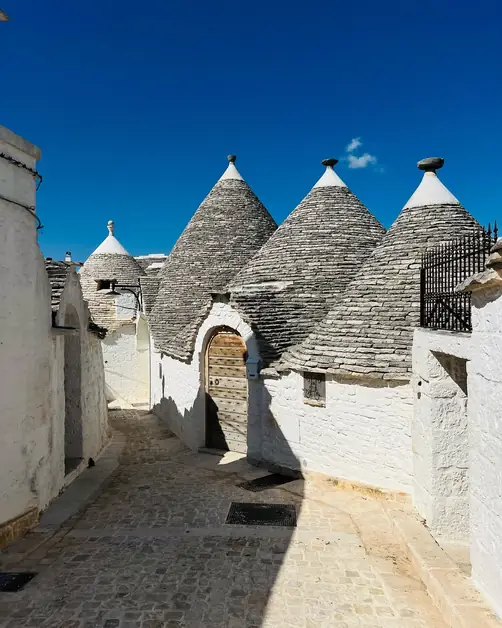
Actually, the connection isn't as strange as it seems. Alberobello inspired the cartoon because of its almost enchanted atmosphere. The trulli, built with ancient techniques and declared a UNESCO World Heritage Site in 1996, look almost surreal at first glance.
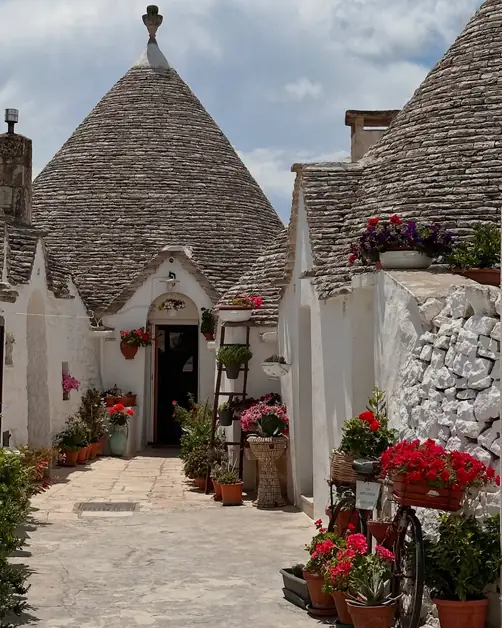
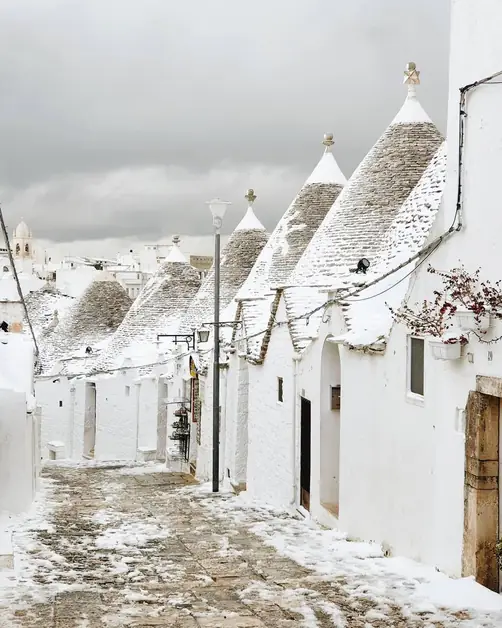
The circular architecture and conical roofs with painted symbols create a truly unique landscape. Walking through the alleys of Rione Monti or the quieter Aia Piccola area often feels like stepping into a little world out of time.
Rione Aia Piccola is a small cluster of inhabited trulli in the center of Alberobello. It's a neighborhood of white houses, some shops, bars, and small restaurants. Unlike the more famous Rione Monti, daily life is still very present here, and the atmosphere is much calmer.
Getting there from Rione Monti takes a bit of effort because you have to climb some steep steps. But the walk is really worth it. Once you arrive, you'll find very charming views and perfect spots for some memorable photos.
It's one of the most pleasant areas I found in Alberobello because it's less crowded. If possible, visit during the week, early in the morning, between 9 and 11. The neighborhood is still quiet then, and you can walk calmly among the trulli. It's easy to see why this setting captured the imagination of the Trulli Tales creators.
This completely changes how kids experience the visit. Walking among the trulli, they don't just see a traditional village in the Itria Valley. They imagine the adventures of the magical little chefs from the series.
In fact, some city activities fit this imagination perfectly. Many visitors look for cooking classes to learn how to make orecchiette, just like the cartoon characters. Others enter the Trullo Sovrano to see what a house built this way really looked like. And some choose to spend a night in a trullo, turning the visit into a small, almost "magical" experience.
That said, Alberobello remains a very fascinating and truly unique place. But you have to be realistic: especially in the middle of the day, it can get quite crowded and very touristy. It's part of its international fame. If you're staying a few days in Matera, for example, it can be an interesting stop to add to your itinerary.
A small practical aspect to consider is parking: finding a spot near the center isn't always easy, especially during busy times.
In general, Alberobello is a destination you can visit comfortably in a day. The two main districts and the historic center are easy to explore on foot. So, if you're traveling by car, it might be a good idea to stay nearby rather than in the town itself.
Staying outside the center often means more tranquility, less tourism, and fewer parking issues. Finding a spot for your car in Alberobello can take some patience. So, having accommodation in a nearby, quieter area can be more convenient.
Before leaving, we also found time to stop for lunch. At Corte dei Trulli, I finally enjoyed what I'd been thinking about all day: simple, traditional Apulian cuisine. I ordered fava beans and chicory, one of the region's classic dishes, which cost 11 euros, and a plate of orecchiette with turnip tops for 15 euros.
There were four of us, and considering the whole meal, we spent about 30 euros each. A price quite in line with many restaurants in the center, especially in a popular place like Alberobello.
In the end, I realized that the starting point matters less than the result. I came thinking about Apulian cuisine, they came for a cartoon. But both paths led to the same place: among the trulli of Alberobello, where tradition and imagination meet.